•
•
•
•
•
•
•
•
•
•
•
•
•
•
•
•
•
•
•
•
•
•
•
•
•
•
•
•
•
•
•
•
•
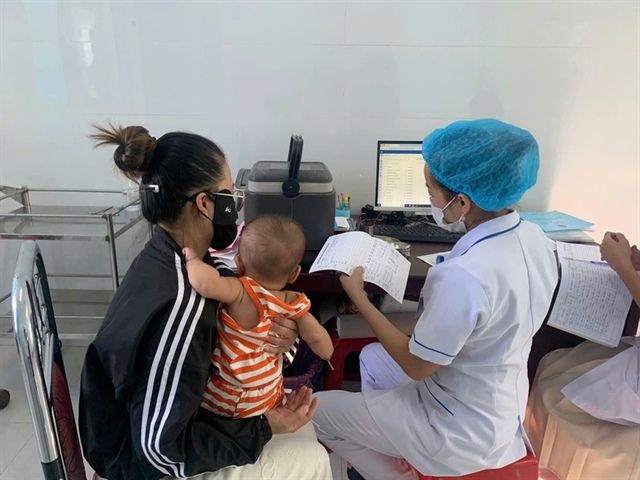
The Ministry of Health has issued a plan to implement periodic health checkups or free screening at least once a year for the population. The plan is designed to carry out the viewpoints, objectives, tasks, and measures on periodic health checkups or free screening at least once a year, as set out in Resolution No. 72-NQ/TW dated 2025 by the Politburo. The policy focuses on proactive detection, prevention, and early treatment of diseases to reduce health care costs for individuals and society, while building a national health management database.
A key element of the plan is digitizing and interconnecting medical data. The Ministry requires ensuring interoperability of health check data with the health care management information system and the health insurance assessment system. It also calls for standardizing the Electronic Health Book and integrating it directly into citizens’ VNeID app.
The Ministry states that the scope, subjects, priority schedule, examination facilities, and funding for implementing free annual health checks will be carried out in accordance with Government Decree detailing and guiding the implementation of some provisions of the Law on Disease Prevention. Funding will be allocated from annual state budget estimates and other lawful sources under the Health Prevention Law.
For the corporate sector, agencies, organizations, or individuals employing workers will continue to be responsible for organizing periodic health checks for workers in line with the 2015 Occupational Safety and Health Law.
At the local level, provincial and city Health Departments are tasked with reviewing lists and organizing examinations at health stations or other eligible medical facilities.
If a commune-level health station lacks capacity, the Department of Health will direct higher-level medical facilities to provide professional support or designate the commune station as a mobile examination site. Medical facilities conducting examinations must classify priority groups and schedule examinations to avoid overload.
Medical facilities implementing periodic health checkups or free screenings are required to classify priority groups and schedule examinations to ensure suitability, prevent overcrowding, and remain convenient for the public.
Examination results will be aggregated and an electronic health book will be created. The plan also requires interoperability and sharing of periodic health check data and other health information databases with the health insurance assessment system, followed by integration into the VNeID app under guidance from the Ministry of Health and Vietnam Social Security.
Premium gym chains are entering a “golden era” that is ending or already in decline, as rising operating costs collide with shifting consumer preferences toward more flexible, community-based ways to exercise. Long-term memberships are shrinking, margins are pressured by higher rents and facility expenses, and competition from smaller, more personalized…