The crypto bear market remained in force on Wednesday, with bitcoin slipping back toward the $60,000 area. Sharp pullbacks in gold and oil also weighed on the 2025 “debasement trade,” which had supported hard assets amid concerns about government debt and fiat currencies. Meanwhile, tech—particularly the AI boom—continued to attract investor interest and capital.
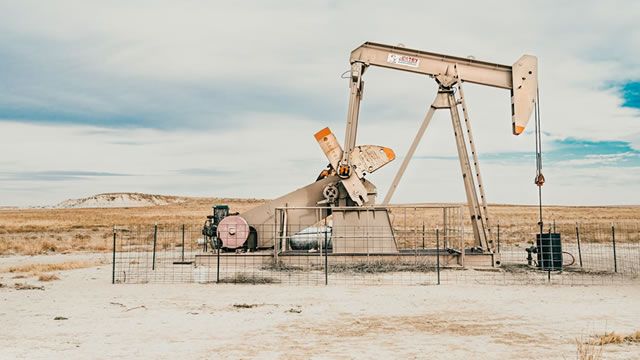
Bitcoin fell back to the $60,000 area on Wednesday for the second time this month, continuing weak price action as risk assets rallied elsewhere. The move came alongside declines in other hard-asset proxies: gold dropped below $4,000 per ounce, and oil fell below $70 per barrel.
The declines in crypto, precious metals and oil coincided with a rebound in tech stocks after Tuesday’s modest one-day slump. The AI trade continued to draw investor interest and dollars, contrasting with the pressure seen across bitcoin, gold and oil.
At midday Wednesday, the Nasdaq was up 0.8% while bitcoin was down 3.2%.
In corporate news, South Korean memory chip giant SK Hynix filed to raise nearly $30 billion in a U.S. share offering. If completed, it would represent the largest overseas company capital raise in the U.S. since Saudi Aramco’s $26 billion sale in 2019.
Billionaire hedge fund manager Philippe Laffont described changing sentiment toward bitcoin in comments to CNBC on Tuesday, saying he has become “a little bit more worried” about bitcoin’s future.
Laffont argued that investors now have a wider range of opportunities than in previous years, pointing to growth stories that may be easier to evaluate over long time horizons, including companies such as SpaceX and emerging AI firms. He also said the rise of stablecoins has reduced bitcoin’s uniqueness as an alternative financial asset.