•
•
•
•
•
•
•
•
•
•
•
•
•
•
•
•
•
•
•
•
•
•
•
•
•
•
•
•
•
•
•
•
•

The Federal Reserve held interest rates steady at Kevin Warsh’s first meeting as chairman on Wednesday, while sharply reducing its expectations for rate cuts this year—signaling a more hawkish stance. In the first vote without any dissent since last June, the Fed kept rates in the 3.5% to 3.75% range, citing that economic activity is “expanding at a solid pace,” unemployment “has changed little,” and inflation “remains elevated,” partly due to energy supply shocks linked to the Iran war.
Despite President Trump’s sustained push for lower rates, the Fed drastically reduced its expectations for rate cuts in 2026. In its median outlook, the Fed projected one quarter-point hike. After its March meeting, the Fed had expected a median of one quarter-point cut this year.
The Fed’s statement was shorter than usual, an early sign of Warsh’s influence. Warsh has previously criticized central bankers for being too outspoken about future policy direction.
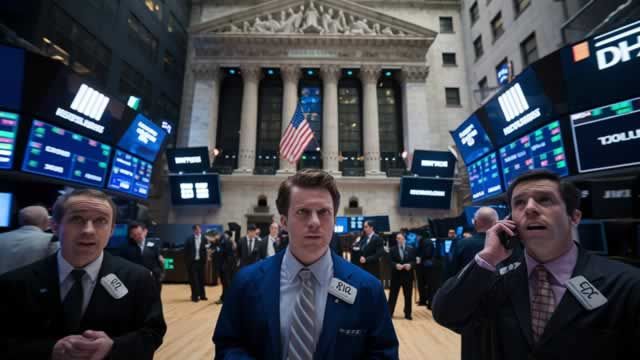
Following the Fed’s decision, the Dow Jones Industrial Average traded roughly flat. The S&P 500 fell 0.4%, while the Nasdaq declined 0.3%.
One person—likely Warsh—was notably absent from the Fed’s “dot plot” projections altogether. The dot plot estimates interest-rate moves over the coming years.
When Trump selected Warsh in January—after months of urging former Chair Jerome Powell to cut rates—the labor market was showing signs of strain and inflation appeared poised to ease after the effects of tariffs faded. Since then, the Iran war has contributed to the worst-ever energy supply disruption, driving gasoline prices higher and pushing inflation back above 4% for the first time in three years, according to the May Consumer Price Index.
Although Trump announced a deal with Iran on Sunday to reopen the Strait of Hormuz, analysts warned it could take months for supplies and prices to stabilize.
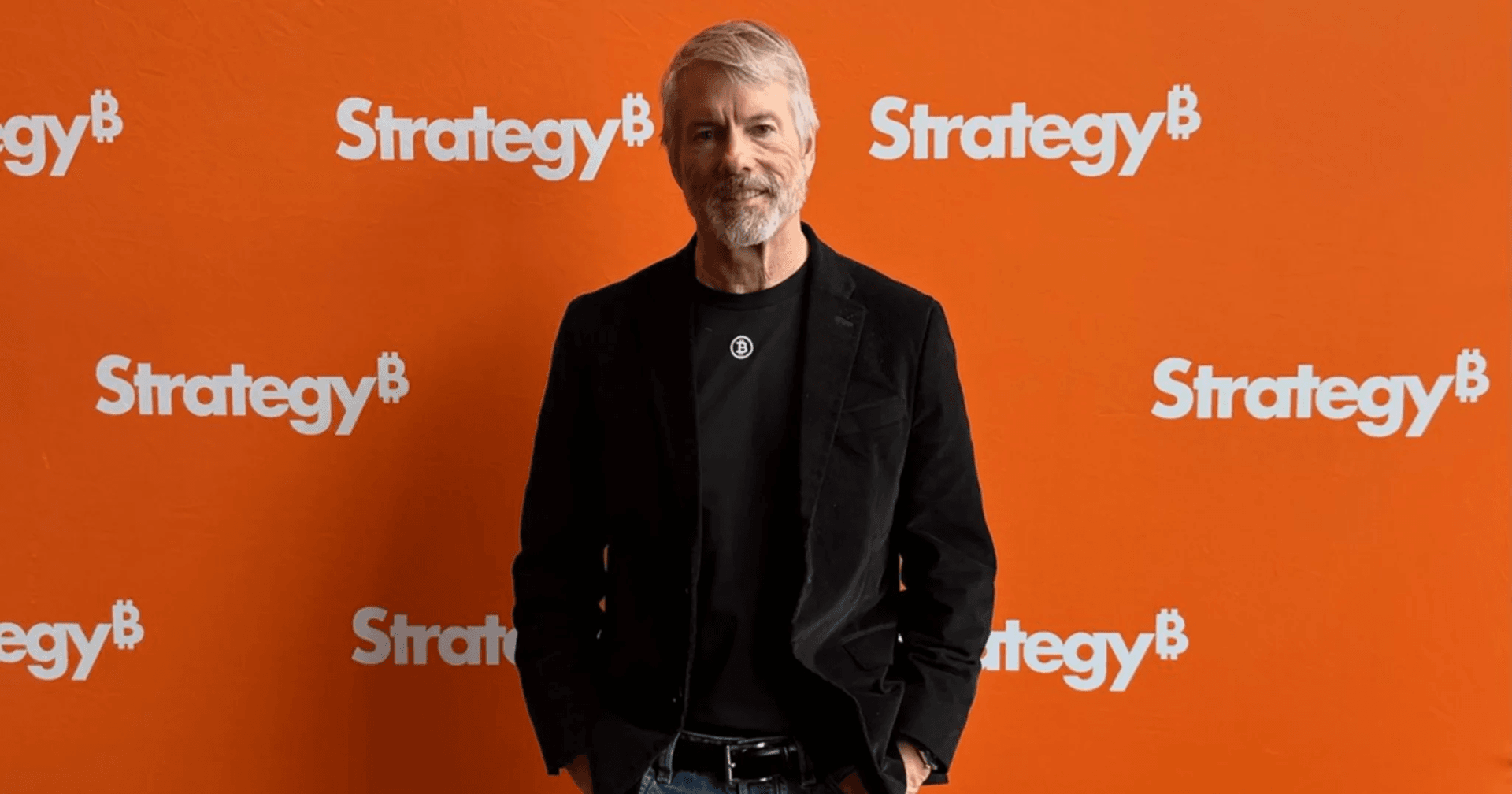
Bitcoin (BTC) investors who use steady dollar-cost averaging (DCA) may be underperforming versus strategies that adjust exposure to the market’s cycle, according to new research arguing that Bitcoin’s behavior differs from traditional long-duration assets.
In a report cited by Markus Thielen of 10x Research, Bitcoin’s market…