•
•
•
•
•
•
•
•
•
•
•
•
•
•
•
•
•
•
•
•
•
•
•
•
•
•
•
•
•
•
•
•
•
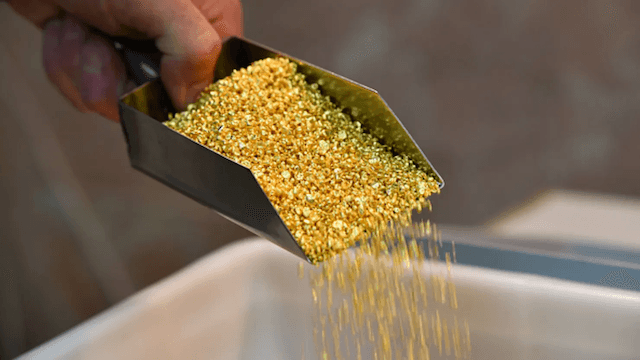
Gold prices fell sharply in trading on June 17 after investors assessed the Federal Reserve’s first policy decision under new Chair Kevin Warsh.
Spot gold declined 1.03% to 4,285.52 USD per ounce. August futures for gold in the U.S. fell 0.84% to 4,317.8 USD/oz.
After the two-day policy meeting, the Fed decided to hold the federal funds rate in the 3.5%-3.75% range, in line with market expectations.
In the policy statement released after the meeting, the FOMC said the decision to hold rates aims to support the Fed’s dual mandate of price stability and maximum employment.
The FOMC also emphasized that inflation remains well above the 2% target. It said: “Inflation remains well above the 2% objective, partly due to supply shocks that have pushed up prices in certain sectors, including energy. The Committee will ensure price stability.”
The Fed’s stance dampened expectations of near-term monetary policy easing. Earlier, gold prices had been supported by expectations that rates could fall in the future. However, the Fed’s firmer approach and its inflation-control rhetoric led investors to pare back demand for holding the precious metal.
In addition to keeping rates unchanged, the Fed signaled that the possibility of rate hikes remains under consideration if inflationary pressures persist, especially given energy prices remain volatile after the Middle East conflict.
Gold is often viewed as a hedge against inflation and economic uncertainty. However, a high-rate environment reduces the appeal of the precious metal because it does not offer yield like bonds or other financial assets.
Ready Card users outside the European Economic Area have reportedly faced an abrupt service halt after a transition involving the card issuer disrupted the USDC spending product, according to user notices shared on X.
A notice shared…