Gold prices have become heavily influenced by developments around the Iran conflict, a pattern Reuters says has also shaped gold’s longer-term trading history. Over the past two decades, sharp increases in gold have often been followed by sizeable corrections, even when much of the earlier gains remain intact.
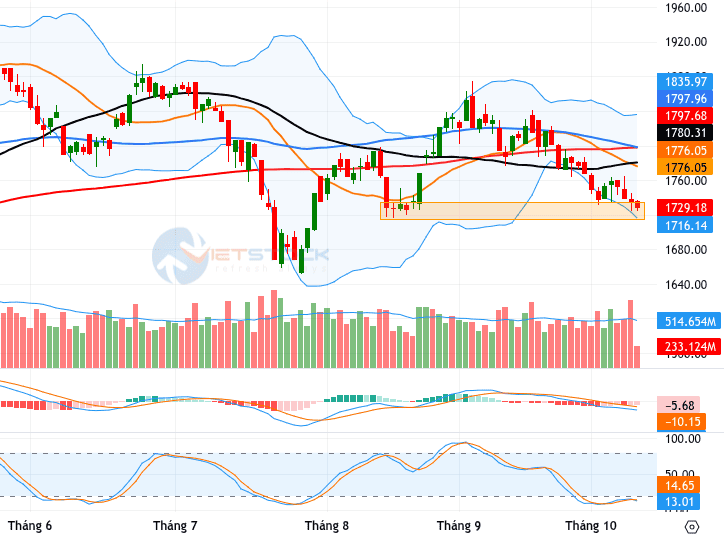
Reuters’ market analysis highlights several major cycles. Gold rose about 170% from a low of $697.45 per ounce in October 2008 to a high of $1,884.40 per ounce in September 2011. It then fell 37% to $1,191.35 per ounce in August 2018. From that low, gold climbed 74% to $2,072.49 per ounce in August 2020, before retreating 22% to $1,620.20 per ounce in September 2022.
Since the September 2022 bottom, gold surged to a fresh all-time high of $5,594.82 per ounce on January 29. By the close of June 4, it had declined about 20% to $4,473.89 per ounce.
Despite the pullback since January, the current rally is described as being supported by a “confluence” of unusually positive factors moving in the same direction: stronger central-bank buying, robust consumer demand from China and India, and capital inflows into gold as a safe-haven asset.
However, Reuters notes that some of those tailwinds have shown signs of cooling in recent months.
Reuters links the weaker consumer picture to higher gold prices eroding purchasing power, and notes that India has raised gold import duties to curb demand.
Against weaker fundamentals, the relatively modest correction since January is described as a potentially positive signal. Reuters also says monetary policy has become the dominant driver of gold prices, with investors pricing policy expectations rather than relying primarily on traditional fundamentals.
The analysis points to the inverse relationship between crude oil and gold: when geopolitical tensions push oil higher, gold can fall as oil moves affect U.S. rate expectations and the odds of rate cuts. Conversely, expectations of cheaper oil can support gold.
Based on historical up-down cycles, Reuters says it is not inconceivable that gold could face a sharper correction in coming months or even years before resuming an uptrend. That outcome, however, depends on whether the drivers behind prior rallies remain in place. The analysis cautions that the market has repeatedly shown “this time is different” thinking to carry risk.
The views expressed reflect Reuters’ market analyst Thanh Anh (translated).