Gold prices appear to move in response to geopolitical developments, but analysts say they are influenced simultaneously by a range of macroeconomic, financial and global liquidity factors. While the market has been volatile, long-running rules of movement—spanning decades—help explain the pattern behind the ups and downs.
Analysts note that changes in gold prices do not simply react to a single piece of information. Instead, they reflect multiple factors moving together within the global financial system. Many individual investors, however, tend to “chase the market,” buying when bad news appears and selling when prices correct in the short term, which can lead to outcomes that do not meet expectations.
Rather than merely responding to short-term news, gold prices operate under the simultaneous influence of three main groups of factors.
Macroeconomic factors—especially the US dollar and interest rates—are central. When the USD strengthens, gold tends to face pressure because it becomes more expensive for investors holding other currencies. Conversely, gold often benefits in low interest rate environments or when inflation is rising.
Geopolitical developments can quickly spur safe-haven demand. Conflicts such as tensions in the Middle East or the Russia-Ukraine war may lift demand for gold, but the effect typically does not last long and depends on the intensity and duration of risk escalation.
Long-run supply and demand also matter, with central bank purchases highlighted as a key driver. In recent years, a trend toward higher gold reserves has reflected strategies of asset diversification and reduced dependence on the USD.
An often overlooked feature is that gold shows relatively clear seasonality. Historically, Q1 and Q4 tend to be more positive.
The pattern is linked to rising consumption and hoarding demand in major markets such as India and China, particularly during wedding seasons, holidays and year-end festivities. International investment funds also tend to rebalance portfolios at the beginning of the year, contributing to additional demand for gold.
Trading gold in Asia remains a key source of price support, with physical demand still robust.
Experts say the biggest mistake by individual investors is not choosing the wrong long-term trend, but reacting to short-term fluctuations. Buying when prices surge due to fear of missing out, or selling when the market corrects due to risk concerns, often results in poor investment outcomes.
In many cases, individuals buy at peaks and sell at troughs due to emotional reactions rather than long-term strategies.
Traditional asset allocation models typically place gold at about 5-15% of a total investment portfolio for individual or institutional investors. This allocation is not intended to maximize short-term profits. Instead, it is designed to act as a cushion during periods of market volatility.
In practice, gold’s core role is to hedge risk when riskier asset channels such as equities or real estate face corrections or crises. In many market cycles, gold has shown price retention or modest gains when other assets decline, helping reduce overall portfolio volatility.
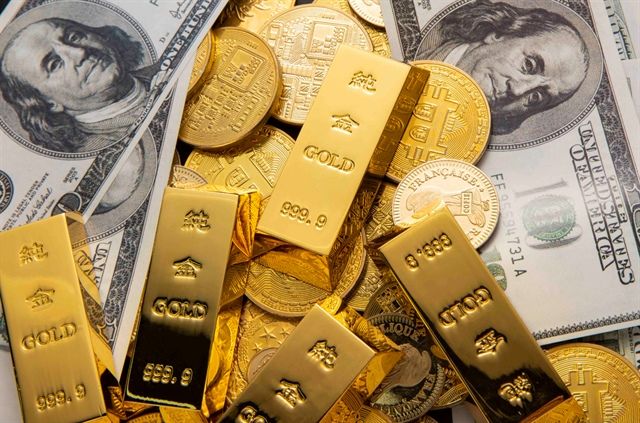
For individual investors, physical gold such as bullion and jewelry remains popular due to safety, ease of possession and the perception of tangible assets. Financial instruments such as gold ETFs or futures contracts are often more suitable for experienced investors who understand market mechanics and are willing to accept higher and more volatile risk.