•
•
•
•
•
•
•
•
•
•
•
•
•
•
•
•
•
•
•
•
•
•
•
•
•
•
•
•
•
•
•
•
•
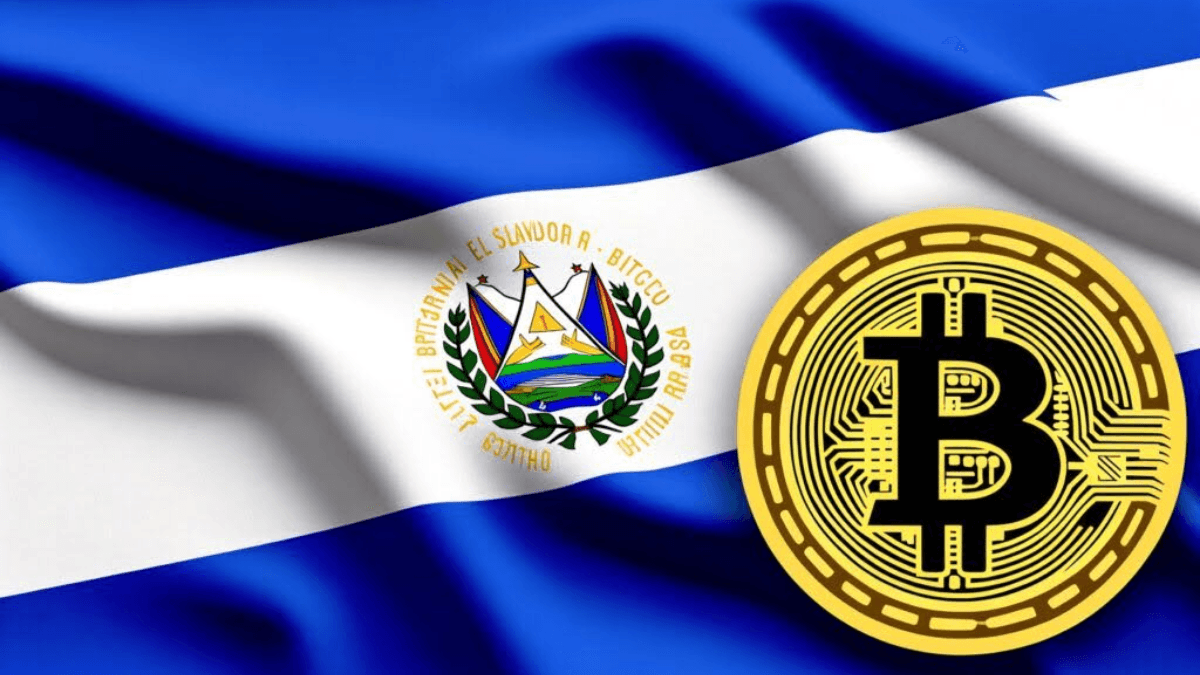
El Salvador is continuing its bitcoin accumulation policy without pause or concessions, adding another unit to its Strategic Bitcoin Reserve. The country’s total holdings now stand at 7,687 BTC, worth more than $510 million, according to the government’s stated approach of “buying the dip, every day.”
The mechanism is designed to acquire close to one bitcoin per day regardless of market conditions. Between January and April 2026, authorities added more than 1,600 coins to the national stack, a pattern analysts liken to dollar-cost averaging applied at a sovereign scale.
When the price of BTC approached $66,000, El Salvador did not sell or pause purchases, continuing to buy rather than interrupting the program.
The sustained accumulation has heightened tensions with the International Monetary Fund. Under a $1.4 billion financing agreement signed with the IMF, the institution urged El Salvador’s public sector to halt bitcoin purchases. The request was not followed.
Last year, El Salvador passed an IMF review without having interrupted its acquisitions, raising questions about how the program conditions can be reconciled with ongoing purchases.
The IMF has argued that part of the reported increase in holdings may reflect movements of already existing coins rather than net new purchases, a characterization the government rejects.
Limited transparency around the operational details of each purchase also complicates independent verification of the figures. Even so, the overall reported trend continues to point upward.
President Nayib Bukele has not indicated any change in direction. His position is that El Salvador will not sell its holdings and that the reserve is intended as a long-term bet on bitcoin appreciation rather than a speculative position that would be liquidated during price downturns.
El Salvador adopted bitcoin as legal tender in 2021, becoming the first country to do so. While the country later adjusted that status under IMF pressure, Bukele maintained the accumulation policy.
The government reports bitcoin holdings alongside the country’s traditional reserves, and the president has frequently used unrealized gains as part of his political messaging during bull market periods.
The program has also attracted attention from other governments and corporations exploring the viability of similar programmatic accumulation strategies.






Bitcoin (BTC) investors who use steady dollar-cost averaging (DCA) may be underperforming versus strategies that adjust exposure to the market’s cycle, according to new research arguing that Bitcoin’s behavior differs from traditional long-duration assets.
In a report cited by Markus Thielen of 10x Research, Bitcoin’s market…