•
•
•
•
•
•
•
•
•
•
•
•
•
•
•
•
•
•
•
•
•
•
•
•
•
•
•
•
•
•
•
•
•
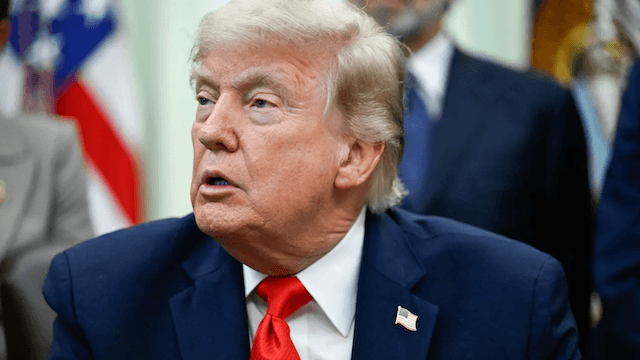
The United States and Iran have reached an agreement to end the nearly four-month war, with both sides announcing an immediate and permanent cessation of military activities on all fronts, including in Lebanon, Pakistani Prime Minister Shehbaz Sharif said on June 15.
Sharif said that after intensive negotiations, the peace agreement between the United States and Iran had been concluded, adding that Pakistan played a mediating role in the talks. He said the official signing ceremony will take place on June 19 in Switzerland.
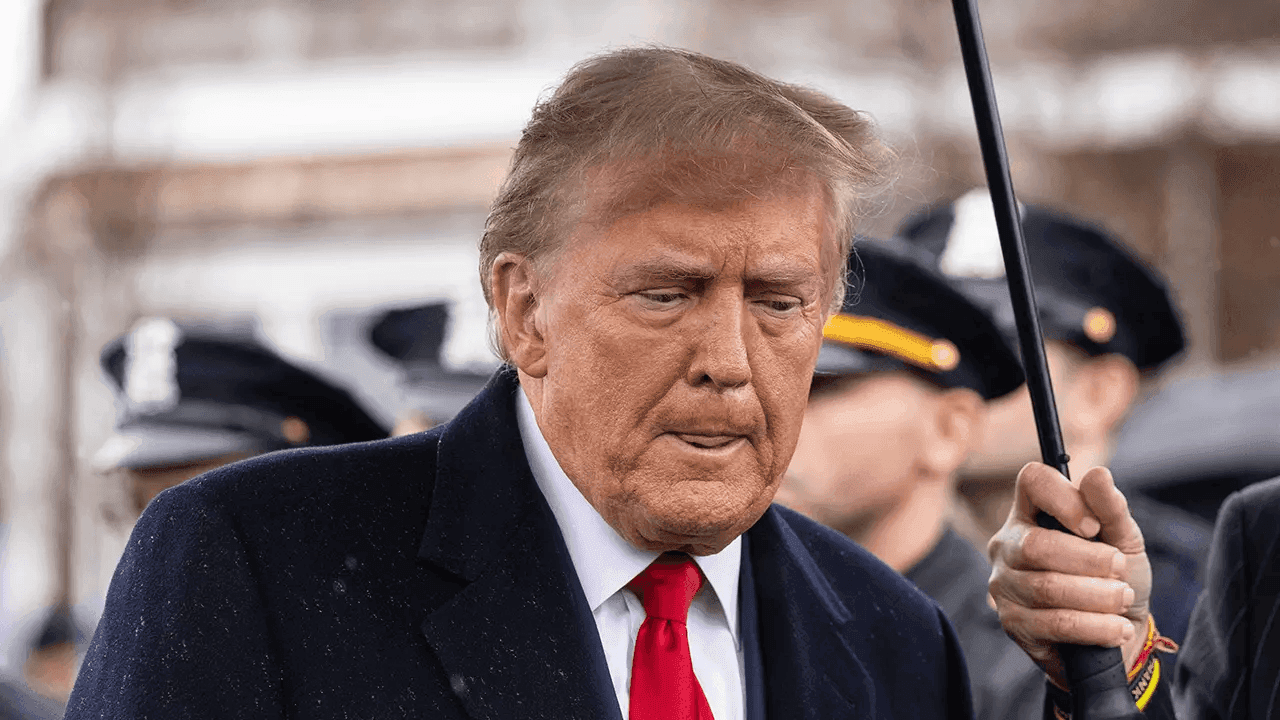
US President Donald Trump later confirmed the agreement was complete, writing that “the agreement with the Islamic Republic of Iran is now complete.”
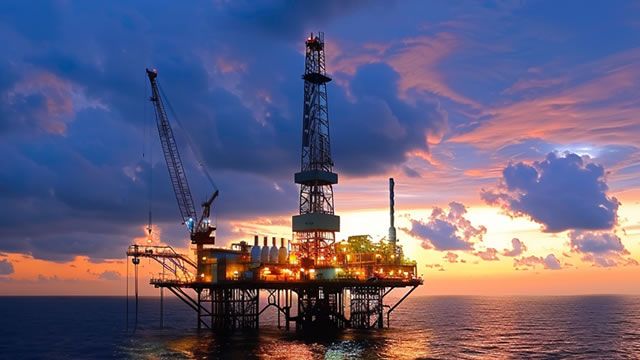
Trump said he approved the full reopening of the Hormuz Strait and the immediate lifting of the US naval blockade. He added that mine-clearing operations would be conducted after the strait reopens on the signing day, and that oil flows would be restored in both directions for the region and for the world.
Iran’s state television broadcast a line stating that “The United States has been forced to sign the war-ending agreement.”
Iran’s Foreign Ministry said it would continue to assign responsibility to the US and Israel for “the dangerous consequences of the ongoing unrest and tensions in the region.”
Qatar’s Foreign Ministry welcomed the agreement, highlighting guarantees of freedom of navigation in the Hormuz Strait and describing it as “an important step toward sustainable peace and promoting growth regionally and globally.”
Reuters reported that Britain, Germany, France and Italy said they were ready to lift sanctions on Iran if Tehran fulfills commitments related to its nuclear program. European leaders said in a joint statement: “Iran must never possess a nuclear weapon. We are ready to work with the United States, Iran, and the IAEA to achieve this goal.”
On June 13, Iranian state media disclosed a 14-page draft memorandum stating that the US would pledge to lift oil sanctions, while Iran would reopen the Hormuz Strait within 30 days.
The agreement came after weeks of mixed signals from Washington and Tehran, in the context of a fragile ceasefire maintained to facilitate diplomatic efforts.
On June 15, the peace process faced a risk of collapse after the Israel Defense Forces (IDF) accused Hezbollah in Lebanon of firing at Israeli territory. Israel’s retaliatory airstrikes on Beirut followed, prompting Trump to warn Iran and Hezbollah not to escalate, saying: “I urge everyone not to ruin things.”
The Hormuz Strait—described as a strategic shipping lane—had nearly closed since fighting escalated in late February. The blockade disrupted energy supplies, natural gas, and fertilizers, contributing to global price pressures and inflation fears.
The article noted that inflation has begun to rise again in many major economies. In the United States, the May CPI rose 4.2% year over year, the highest in three years.
It also said central banks have shifted to a tougher stance. In an interview with Fox News shortly after the announcement, US Vice President JD Vance said the development was “a wonderful thing for the American people,” adding that lowering energy costs could help both in the short term and long term.
Earlier, on June 11, the European Central Bank (ECB) raised rates by 0.25 percentage points, its first rate hike since 2023, as the conflict with Iran continued to push euro area inflation well above target. The article said this also made the ECB the first major central bank to raise rates in response to the current energy shock.
During the conflict, market expectations shifted, with forecasts of rate cuts disappearing and markets increasingly viewing rates as staying high for longer. According to CME’s FedWatch tool, the market now expects the Fed to raise rates before the end of this year.
Coinbase has launched a High Yield USDC vault within its in-app DeFi lending offering, adding a second lending option that provides exposure to a wider range of collateral assets. The product is powered by Morpho infrastructure and uses vault allocations curated by Steakhouse Financial.