•
•
•
•
•
•
•
•
•
•
•
•
•
•
•
•
•
•
•
•
•
•
•
•
•
•
•
•
•
•
•
•
•


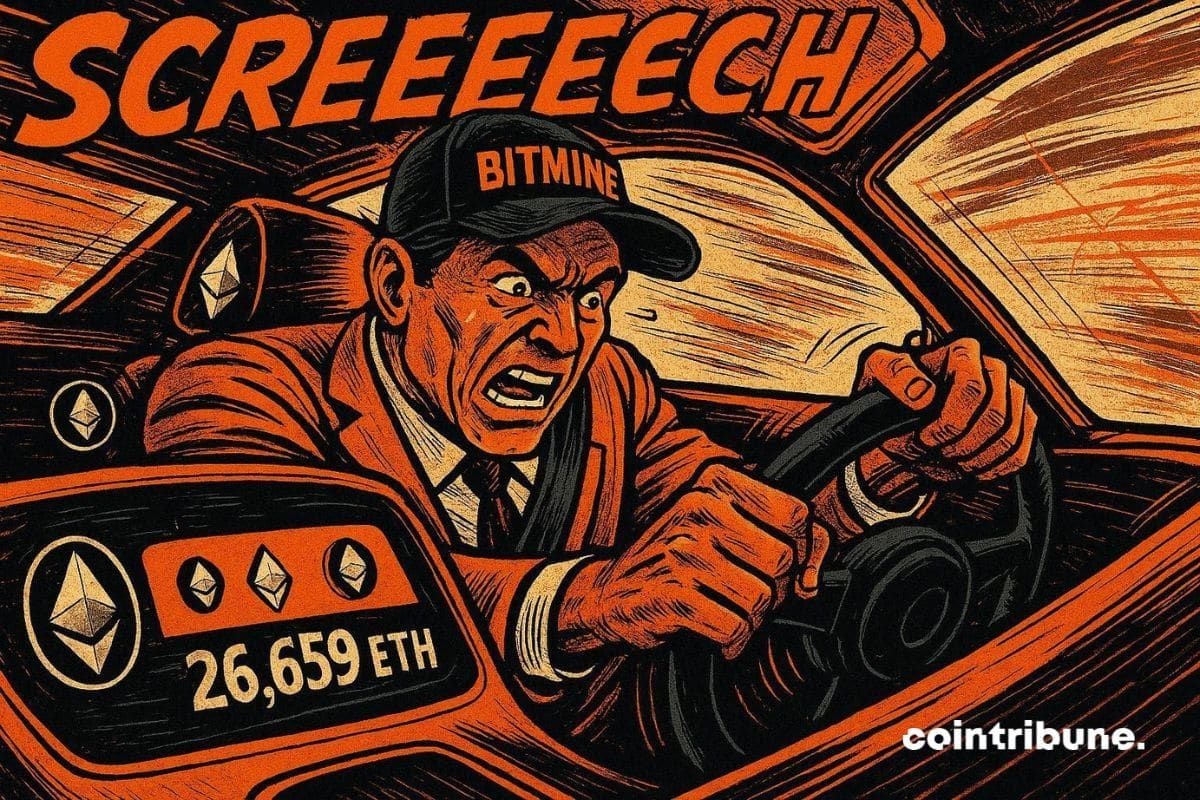
Bitmine, described as a leading buyer of Ethereum (ETH), has announced a strategic slowdown after acquiring 26,659 ETH for $63 million in May 2026. The move follows months of aggressive purchases, including a peak of 101,901 ETH in a single week in April.
With 5.2 million ETH in its portfolio—reported as 4.31% of circulating supply—Bitmine is approaching a stated 5% target. The company frames this threshold as a symbolic level that could influence Ethereum’s market dynamics.
Bitmine’s CEO, Tom Lee, said the slowdown is intended to avoid “overheating” the strategy and to allow time to explore other opportunities. He also referenced the “alchemy of 5%” at Consensus 2026, describing it as a target that could reshape Ethereum’s dynamics.
The reversal has raised questions about whether Bitmine is positioning for a potential market correction or preparing for a new phase of investment activity.
Bitmine’s strategy is not limited to buying ETH. The company also stakes a large portion of its holdings. It reports 4.712 million ETH locked, representing over 90% of its reserves.
Through its MAVAN platform, Bitmine generates $319 million in annual revenue. The reported yield is 2.86%, which the company says could rise to $352 million if its entire crypto portfolio were staked.
The approach highlights staking as a significant component of returns for large holders, rather than a niche activity. The MAVAN platform, initially reserved for Bitmine, is presented as potentially opening to institutional investors, which could further support ETH’s appeal as a passive income-generating asset.
The concentration of both buying and staking activity raises a broader debate about how much influence a single large participant can exert on the crypto market. The article frames the key question as how far that influence could extend as Bitmine nears its 5% target.

Premium gym chains are entering a “golden era” that is ending or already in decline, as rising operating costs collide with shifting consumer preferences toward more flexible, community-based ways to exercise. Long-term memberships are shrinking, margins are pressured by higher rents and facility expenses, and competition from smaller, more personalized…