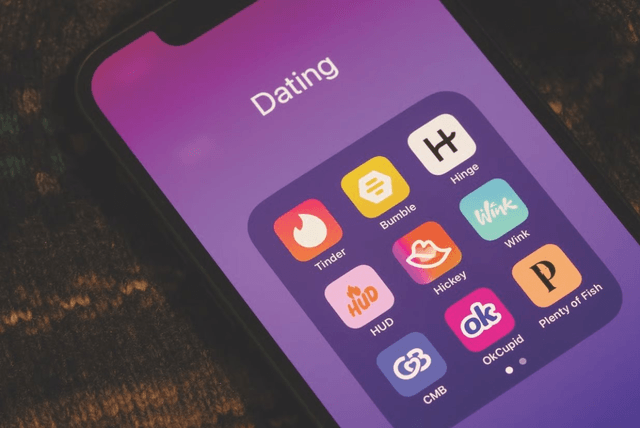
In the digital age, love seems to be just a swipe away. Apps such as Tinder, Bumble and Facebook Dating use algorithms to sort and connect people based on preferences, location and personal data. Yet behind the promise of convenience lies a paradox: as technology makes connecting easier, many users report feeling more lonely and exhausted by online dating.
In 2026, SegmentOS market research found dating-app burnout reached an all-time high in the decade, with 53.3% of singles turning away from online dating apps.
Tho My, a 20-year-old student, describes the emotional arc of modern app use. She says she spends hours each night swiping left and right, and that early on, receiving many likes felt exciting because it created the sense of having countless options.
However, she reports that the excitement fades quickly. “After three months I realized I was just scrolling through unfamiliar faces with dull, repetitive chat scripts,” she said. The experience aligns with the “choice overload” phenomenon described by U.S. psychologist Barry Schwartz, where a larger set of options can increase indecision and reduce commitment.
Minh Duc, a 35-year-old software engineer, characterizes online dating as a pressured process. “At this age, family pushes me toward marriage daily,” he said. Despite trying multiple apps and refining his profile, he says dates often feel stilted, and he eventually uninstalled the apps.
He argues that while algorithms can pair people in theory, they cannot replace the natural spark between two real people. The article also links the experience to an “Option Paralysis” effect, describing online dating as feeling like gambling: users invest time but often do not receive sincere commitment.
Dr. Paul Eastwick, a social psychologist at UC Davis, notes that online dating tends to emphasize screening and verification through profiles and social network auditing. In his view, this can stifle romance and spontaneity.
Despite the negative trend, the article says the 2026 dating landscape is not entirely bleak. It points to Tinder’s “Year in Swipe” reporting a shift toward “Clear-Coding,” described as more truthful and straightforward communication.
More than half of respondents, according to the article, want authentic conversations and less pressured dates—such as a park stroll rather than expensive dinners.
The article concludes that technology should be a tool rather than the destination of love. It argues that even as algorithms become more sophisticated, they cannot replace the effort, empathy and courage required for real-world relationships.