•
•
•
•
•
•
•
•
•
•
•
•
•
•
•
•
•
•
•
•
•
•
•
•
•
•
•
•
•
•
•
•
•
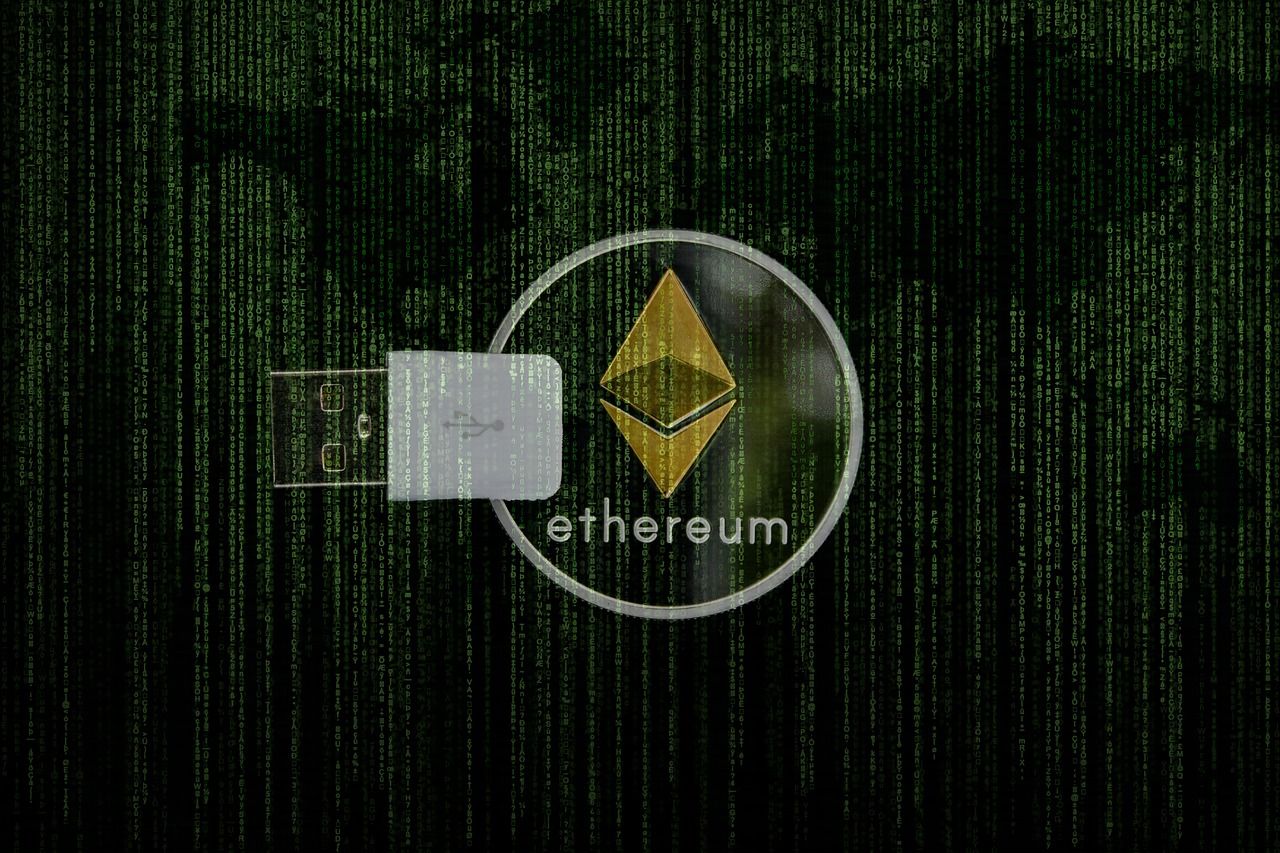
Privacy is once again becoming a major focus in the cryptocurrency industry as developers explore new ways to protect user data without sacrificing transparency or regulatory compliance. Two recent initiatives—Ethereum’s proposed pERC-20 token standard and Starknet’s newly launched STRK20 framework—highlight the growing interest in privacy-focused blockchain infrastructure.
The proposed pERC-20 standard aims to bring confidential transactions to Ethereum by allowing users to hold and transfer tokens without publicly revealing wallet balances, transaction amounts, or counterparties. Unlike traditional ERC-20 tokens, which make all transaction data visible on-chain, pERC-20 uses encrypted cryptographic notes that function similarly to digital cash. This approach enables private transfers while still allowing the network to verify transaction validity.
Importantly, pERC-20 does not eliminate transparency entirely. The total token supply remains publicly visible, ensuring that token issuance can be independently verified. The proposal also includes compliance features that would allow issuers to freeze specific cryptographic notes through a blacklist mechanism without exposing users’ financial activity.
At the same time, Starknet has introduced STRK20, a privacy-focused framework designed to support not only private token transfers but also decentralized finance (DeFi) activities. These include lending, staking, and token swaps.
According to StarkWare co-founder Eli Ben-Sasson, usability remains the biggest challenge facing privacy technologies rather than the cryptography itself. He noted that privacy systems depend on large user participation to provide meaningful anonymity, and that poor user experiences have historically limited adoption—weakening privacy guarantees. Ben-Sasson also emphasized that future privacy solutions must support a broader range of financial applications beyond simple payments.
STRK20 addresses this challenge by enabling users to manage multiple assets within a unified privacy layer while interacting with DeFi applications confidentially. The framework also incorporates post-quantum cryptography, positioning it for future security challenges as quantum computing technology advances.
The renewed focus on blockchain privacy comes after years of industry attention shifting toward scalability and regulatory challenges. As regulators increased scrutiny of privacy tools such as Tornado Cash, privacy innovation moved into the background. Developers are now revisiting the issue with more balanced solutions that aim to combine privacy and compliance.
Overall, the emergence of pERC-20 and STRK20 reflects a broader debate about the future of crypto privacy. One approach centers on private payments with selective transparency, while the other seeks to establish privacy as a foundational layer across an entire blockchain ecosystem. While pERC-20 still faces Ethereum’s lengthy review process, both initiatives indicate that privacy is once again becoming a strategic priority for blockchain developers and the wider cryptocurrency industry in 2026.