•
•
•
•
•
•
•
•
•
•
•
•
•
•
•
•
•
•
•
•
•
•
•
•
•
•
•
•
•
•
•
•
•


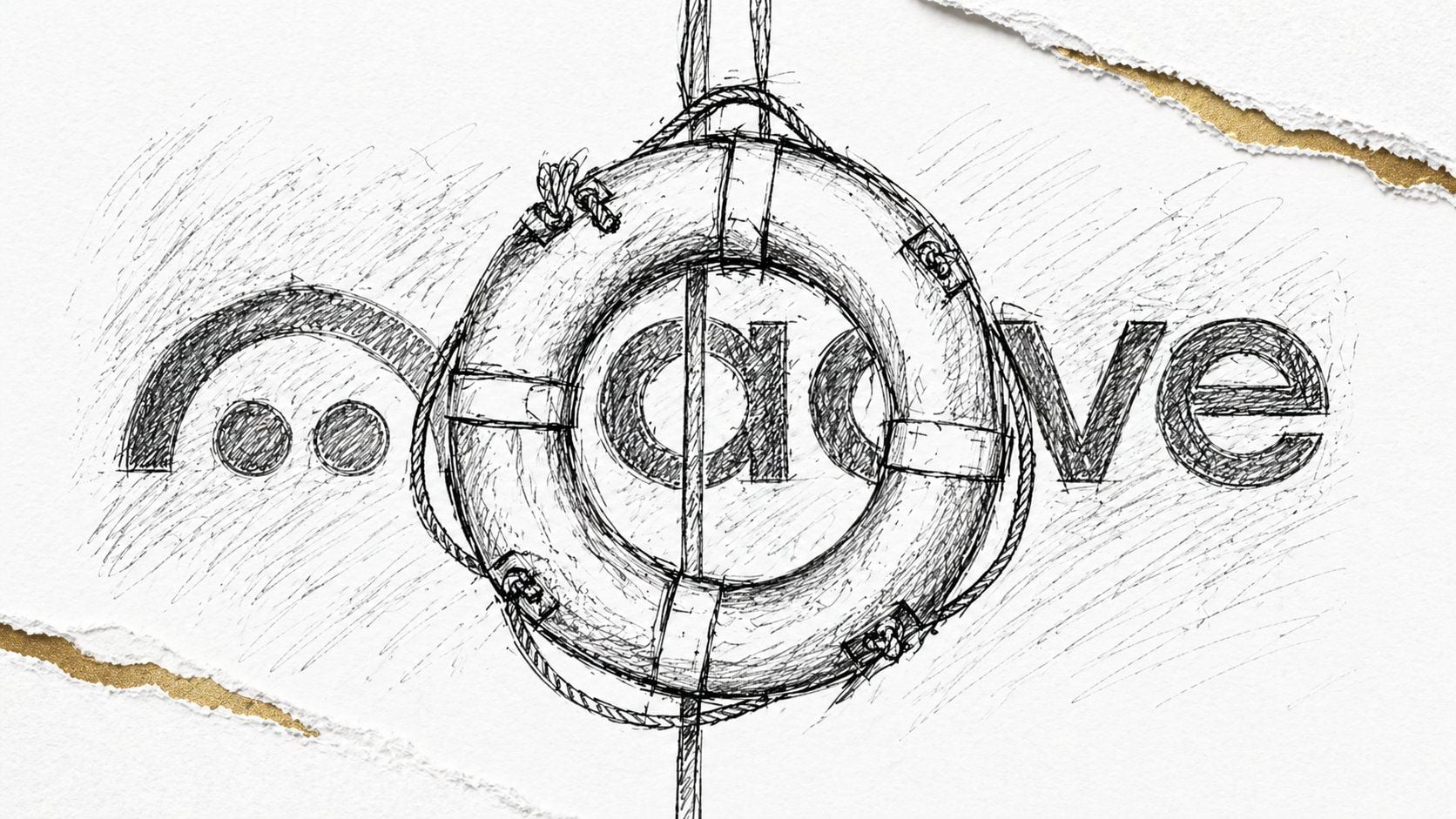
Aave’s industry-wide recovery effort to improve the backing of rsETH following the KelpDAO exploit has raised approximately $238 million, according to the effort’s live contribution page as of the latest check.
Mantle and AAVE DAO, together, raised 55,000 ETH (about $127 million) and are among the largest contributors. The recovery initiative, called DeFi United and led by Aave service providers, was launched last week after the April 18 exploit.
Aave founder Stani Kulechov personally pledged 5,000 ETH, currently worth approximately $11.7 million. Other contributors named include EtherFi, Ethena, LayerZero, and Ink Foundation.
After the April 18 exploit, Aave was left holding 116,500 unbacked rsETH tokens. Those tokens had been used by the attacker as collateral to borrow roughly $190 million in ETH and other assets.
The initiative’s goal is to restore full backing for rsETH and prevent the shortfall from being socialized across Aave’s depositor base as permanent bad debt.
Aave, KelpDAO, and LayerZero have also submitted a proposal on Arbitrum’s governance forum requesting the network release 30,766 ETH (about $71 million). The funds were frozen by Arbitrum’s Security Council from the attacker’s address shortly after the exploit.
LayerZero attributed the KelpDAO exploit to North Korea’s Lazarus Group. LayerZero said the attacker exploited a single-verifier bridge configuration, which it had repeatedly advised against.





Premium gym chains are entering a “golden era” that is ending or already in decline, as rising operating costs collide with shifting consumer preferences toward more flexible, community-based ways to exercise. Long-term memberships are shrinking, margins are pressured by higher rents and facility expenses, and competition from smaller, more personalized…




