•
•
•
•
•
•
•
•
•
•
•
•
•
•
•
•
•
•
•
•
•
•
•
•
•
•
•
•
•
•
•
•
•


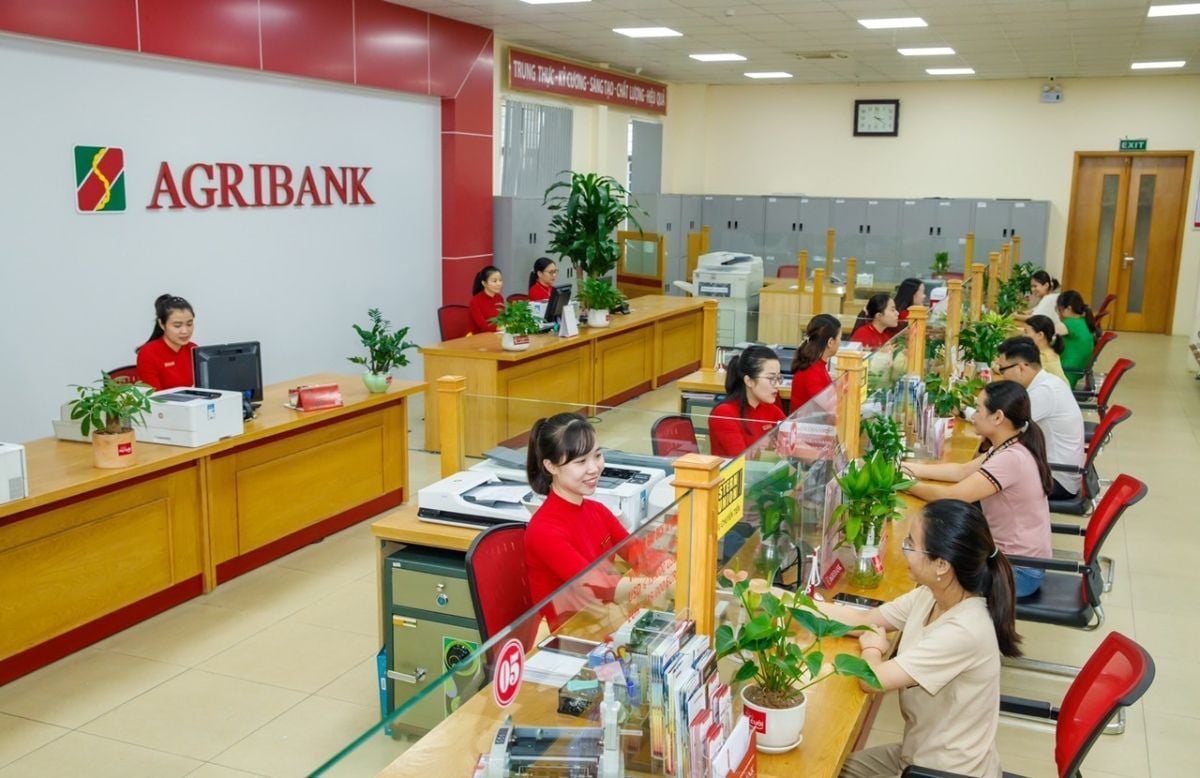
Agribank has proactively reduced lending rates while maintaining preferential credit programs, aligning with the State Bank of Vietnam’s (SBV) policy direction and reaffirming its role in supporting customers to help drive faster and more sustainable economic growth.
In the context of an economy accelerating growth toward the goals for 2026 and beyond, the SBV continues to pursue a proactive and flexible monetary policy aimed at macroeconomic stability and inflation control, while creating favorable conditions for production and business.
At an April 9 meeting, commercial banks agreed to broadly reduce the base deposit rate, creating room to lower funding costs and expand access to credit for businesses and households.
Immediately following the SBV direction, Agribank reduced deposit rates on terms of 24 months and longer by 0.5 percentage points per year, and continued adjusting rates on other terms. The bank said the reduction in input costs is intended to support borrowers.
Alongside the deposit-rate cut, Agribank also lowered mid- and long-term lending rates by 0.5% per year. The adjustment applies widely, helping enterprises ease financial pressures, particularly for large-scale investment projects with long payback periods.
Deputy General Director Phung Thi Binh said that, in implementing the SBV’s directive on stability and rate reductions, Agribank restructured funding sources, increased non-term deposits, and raised the share of low-cost funding. The bank lowered mobilization rates for term deposits and the corresponding lending rates for outstanding balances at the time of adjustment.
“Agribank maintains a low lending-rate level, while continuing to implement preferential credit programs in line with government direction, focusing on agriculture, rural areas, and small and medium enterprises,” Phung Thi Binh said.
As of March 31, Agribank reported total outstanding loans of about 2 quadrillion dong, with 64% allocated to agriculture and rural sectors. The bank also reported Q1 credit growth of 1.8%, while stating it continues to control risk and strengthen customer support.
Despite lowering lending rates, Agribank said it continues to maintain preferential credit programs for priority sectors. Loan packages for agriculture, rural development, SMEs, and green projects are supported through mechanisms tailored to these areas.
Agribank highlighted financing for key economic zones, processing and export industrial parks, and efforts to increase the global value of Vietnamese agricultural products. With its nationwide network, the bank supports industrial zone and export processing zone development, and finances large-scale agricultural projects.
In the Mekong Delta, Agribank is actively financing major groups and supply chains, focusing on rice and seafood across the production, processing, and export stages.
Agribank also emphasized green, sustainable financing, including support for businesses and farmers to build centralized raw-material areas to increase value-added. The bank said it supports the transformation of rural areas from small-scale production to industrial-scale operations, including the “Sustainable development of 1 million hectares of high-quality low-emission rice in the Mekong Delta.”
Agribank said its continued support for the economy through a flexible interest-rate policy reinforces its position as a pillar of Vietnam’s banking system. The bank described the rate-cutting move as a key lever to help enterprises regain growth momentum and contribute to achieving the 2026 socio-economic growth targets.







Premium gym chains are entering a “golden era” that is ending or already in decline, as rising operating costs collide with shifting consumer preferences toward more flexible, community-based ways to exercise. Long-term memberships are shrinking, margins are pressured by higher rents and facility expenses, and competition from smaller, more personalized…