•
•
•
•
•
•
•
•
•
•
•
•
•
•
•
•
•
•
•
•
•
•
•
•
•
•
•
•
•
•
•
•
•


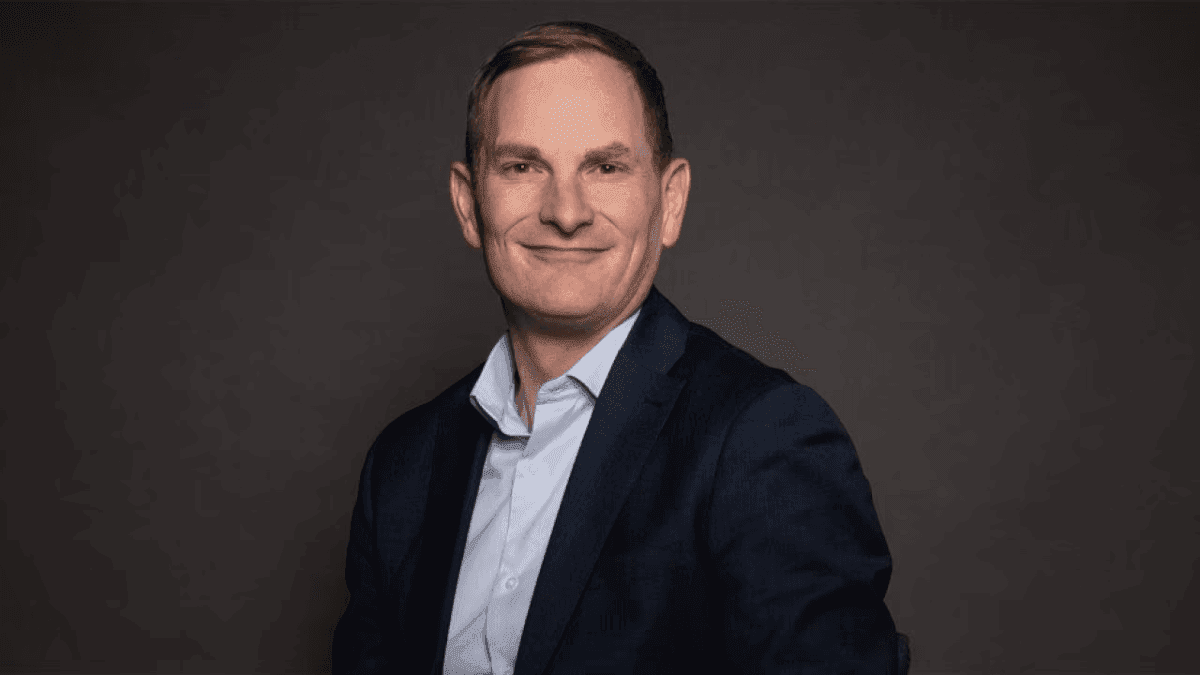
Mike Hunstad, head of Northern Trust’s asset management unit overseeing $1.4 trillion, said advances in artificial intelligence are on track to become a major deflationary force. He urged the Federal Reserve to avoid moving policy rates until there is a clearer understanding of AI’s impact on the economy.
In an interview with the Financial Times, Hunstad emphasized that many companies are highlighting the large benefits AI could deliver. He said that even if only part of those expectations materializes across the economy, it could amount to one of the largest positive supply shocks the U.S. has ever seen, potentially reducing the prices of goods and services.
Hunstad also warned that AI could “introduce a lot of unusual behavior into the economy,” arguing that the Fed should assess the effects of new technologies before changing rates.
Hunstad said AI has the potential to become a “major deflationary factor,” and argued that its influence could help the Fed reach its 2% inflation target after years of elevated prices.
He added that AI’s effects may not be straightforward, and urged policymakers to evaluate how the technology is working through the economy rather than assuming immediate outcomes.
The Fed has kept rates unchanged this year after three 0.25 percentage point cuts in 2025. At the March meeting, policymakers debated whether and how to respond to inflationary pressures linked to the war between the U.S. and Iran, alongside mixed effects on the U.S. economy from the conflict.
The Financial Times also noted that Hunstad’s comments reflect a broader global debate over AI’s impact on growth and employment. It said that when AI companies release updates or new products, stocks of firms that AI could render obsolete often experience sharp sell-offs.
Hunstad said AI is “almost becoming monetary policy,” adding that it could be more effective than what the Fed or other central banks can do. He also argued that the Fed should hold rates steady while it assesses the real productivity benefits of AI.
Kevin Warsh, nominated by President Donald Trump to chair the Fed, predicted that the AI boom would be the “largest productivity surge we have ever witnessed, across past, present and future.” Warsh said AI advances could allow the Fed to cut rates without increasing inflation, drawing a comparison to the productivity boom of the 1990s under former Fed chair Alan Greenspan.
Other Fed policymakers, however, have raised concerns about whether AI creates immediate room for lower borrowing costs. Vice Chair Philip Jefferson pointed to rising AI infrastructure investment, including data centers, which could push prices higher in the near term, while productivity benefits may take longer to appear.
Hunstad’s view is that the Fed should keep rates unchanged and communicate to markets that it is “holding rates steady to see what the real productivity benefits of AI are.”
Premium gym chains are entering a “golden era” that is ending or already in decline, as rising operating costs collide with shifting consumer preferences toward more flexible, community-based ways to exercise. Long-term memberships are shrinking, margins are pressured by higher rents and facility expenses, and competition from smaller, more personalized…