•
•
•
•
•
•
•
•
•
•
•
•
•
•
•
•
•
•
•
•
•
•
•
•
•
•
•
•
•
•
•
•
•

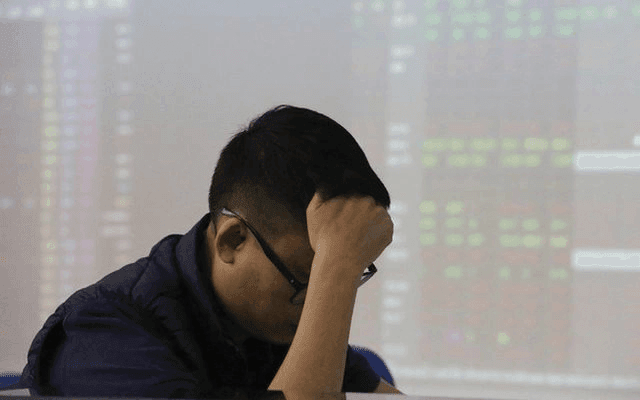
South Korea’s booming AI memory-chip industry, led by Samsung Electronics and SK Hynix, is driving economic growth and inflation—pressuring the Bank of Korea (BOK) to consider aggressive rate hikes. As bond yields rise and prices fall, Korean sovereign bonds have become the weakest performers among major markets tracked in 2026, highlighting how an AI-driven expansion can simultaneously lift equities while weighing on government debt.
Korean sovereign debt has lost about 7.5% in 2026 in local-currency terms, according to Bloomberg, the worst performance among the 44 markets it tracks. The decline comes as investors increasingly expect the BOK to tighten policy in response to chip-driven demand and price pressures.
The underlying mechanism is direct: stronger semiconductor investment and demand lift growth and prices, which leads investors to anticipate higher interest rates. When rate expectations rise, bond prices typically fall, pushing yields higher.
The benchmark three-year yield climbed to 3.858% on June 4, the highest since November 2023, based on Korea Financial Investment Association data cited by Bloomingbit. Foreign investors have been heavy sellers of bond futures, reflecting bets that the BOK may move faster than previously expected.
Under its new governor, Shin Hyun Song, the BOK has moved toward a tighter policy outlook. At its late-May meeting, it held the policy rate at 2.5% but revised the year’s growth forecast up to 2.6% from 2.0%, citing first-quarter expansion of 1.7%, the fastest in nearly six years. It also lifted its inflation estimate to 2.7%, according to CNBC.
The BOK’s updated dot plot leaned toward higher rates, with a bias toward 3% over the following six months and two board members indicating 3.25%. The swaps market has priced in at least three increases this year, and some traders are weighing the possibility of a 50-basis-point move in a single meeting.
With a 2.5% policy rate against projected inflation of 2.7%, real interest rates are effectively negative, strengthening the argument for tightening. Strategists cited in the report expect further upward pressure on yields: Cho Yong-gu said he expects three- and 10-year yields to reach as high as 4% and 4.4% this year, while Lim Jae-kyun projected the 10-year yield could rise to 4.4% if the policy rate reaches 3.5%, as reported by the Korea Times.
Policymakers have taken steps to keep the selloff orderly. The finance ministry and the central bank issued a rare joint warning that they would respond to excessive volatility, and officials have been canvassing bond dealers and asset managers to assess positioning.
The government also cut planned June bond issuance by about 21% from May, trimming longer maturities where pressure is described as most intense. Meanwhile, currency weakness has added to the challenge: the won has hovered near 1,520 per dollar, close to a 17-year low. A weaker won raises the cost of imported energy, feeding inflation that the BOK is trying to contain.
The episode reframes a familiar AI narrative. Much of the recent discussion around AI and credit has focused on debt being created to fund build-outs. In Korea’s case, the boom is described as not primarily issuing new paper, but rather eroding the value of existing bonds.
As the equity market rises on the same industry that is pushing the central bank toward tighter policy, bond markets face the opposite effect. The result is a portfolio dynamic where Korean stocks and Korean government debt are pulled in different directions by the same underlying driver.
The report argues that as AI concentrates economic gains in a narrow band of exporters, it can create a growth-and-inflation problem that the bond market must absorb. Korea is presented as the clearest example so far because its chip sector is large relative to the economy, though it may not be the last.
The key question highlighted is whether the BOK ultimately raises rates, and how much further bond prices must fall before the “AI trade”—soaring shares alongside sinking sovereign debt—reaches a level that can hold.
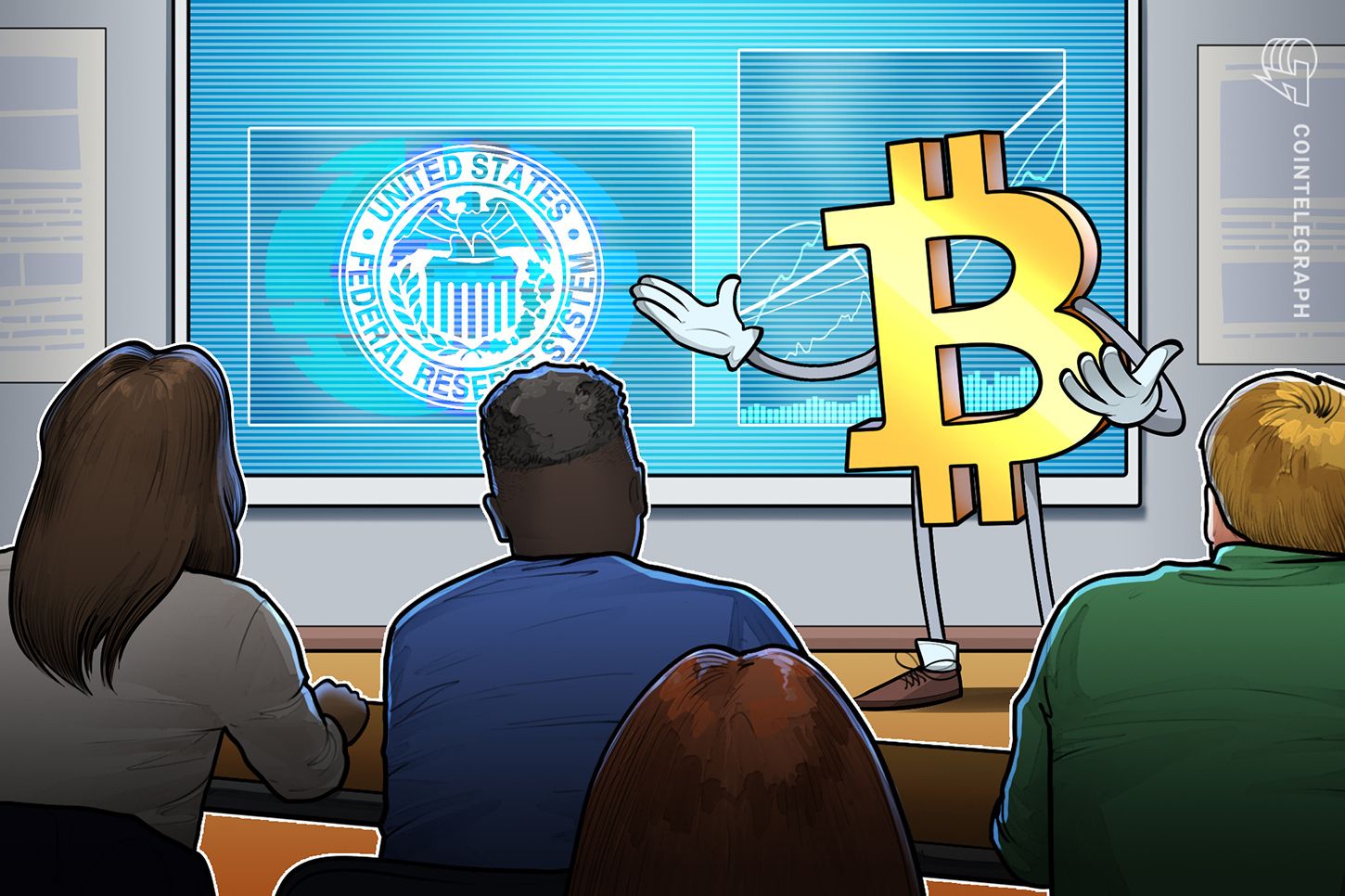
Bitcoin (BTC) investors who use steady dollar-cost averaging (DCA) may be underperforming versus strategies that adjust exposure to the market’s cycle, according to new research arguing that Bitcoin’s behavior differs from traditional long-duration assets.
In a report cited by Markus Thielen of 10x Research, Bitcoin’s market…