•
•
•
•
•
•
•
•
•
•
•
•
•
•
•
•
•
•
•
•
•
•
•
•
•
•
•
•
•
•
•
•
•


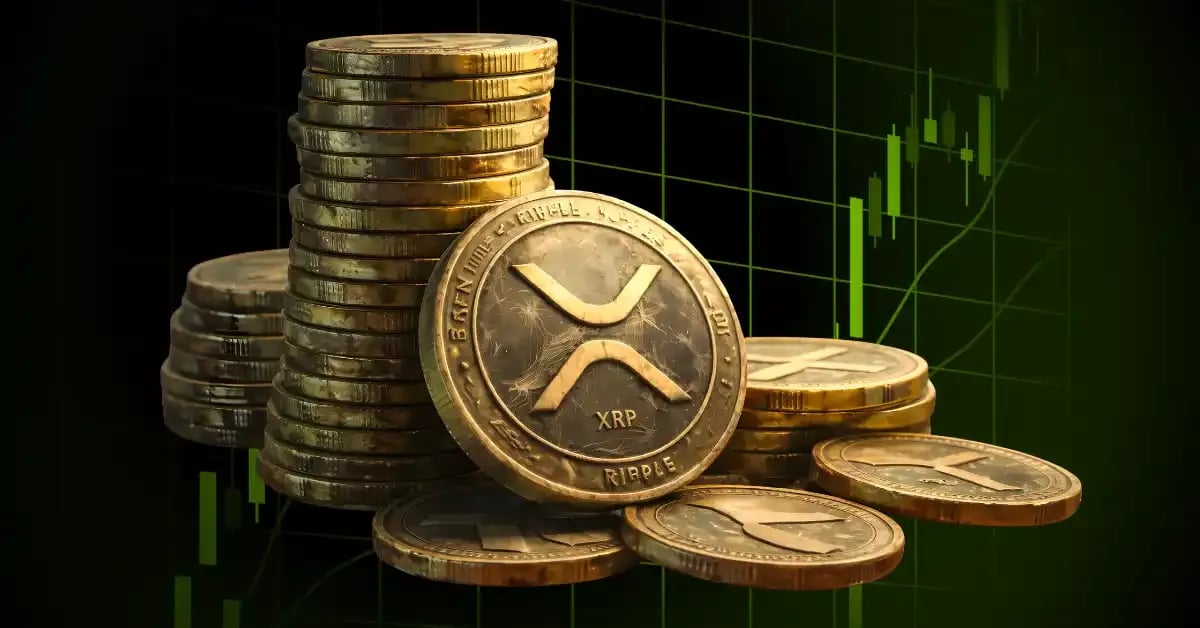
In a recent Onchain Economy episode, Michael Arrington reiterated a long-standing view that XRP has been misunderstood for years. He argued that critics who describe XRP as a “banking coin” are missing the broader role he believes it plays within the crypto ecosystem.
“Ripple and XRP have been completely misunderstood in the last decade. Skeptics of XRP would call it the corporate coin, the banking coin.”
Arrington also reflected on buying XRP early in 2017, during the ICO boom, when it traded between $0.03 and $0.05, before most institutional narratives had formed.
A central theme in Arrington’s analysis is Ripple’s consistency over time. He credited Chris Larson for the original vision and Brad Garlinghouse for executing it. In contrast to many crypto projects that faded after the ICO era, Arrington said Ripple continued building through acquisitions and product expansion.
He framed this as a mission-driven approach that distinguishes Ripple in an industry where many projects have not delivered long-term results.
Arrington highlighted Ripple’s stablecoin strategy as a potential catalyst. He said the move makes it “inevitable” that more startups will build within the XRP ecosystem, drawing a parallel to how early internet infrastructure attracted developers.
He also positioned stablecoins as a growth driver rather than a threat to XRP’s relevance.
Another key point was infrastructure. Arrington argued that crypto still lacks advanced tools available in traditional finance, particularly for institutional participants.
He cited Ripple’s push into prime brokerage, Ripple Prime, as a major step. Arrington described it as a missing “backbone” for crypto markets—an element he said exists in traditional finance but remains underdeveloped in crypto.
Overall, Arrington’s remarks focused on what he sees as XRP’s misunderstood narrative, Ripple’s execution, and the importance of stablecoins and infrastructure. He concluded that if Ripple continues executing, there may be no upper limit to how large the XRP ecosystem can become.





Premium gym chains are entering a “golden era” that is ending or already in decline, as rising operating costs collide with shifting consumer preferences toward more flexible, community-based ways to exercise. Long-term memberships are shrinking, margins are pressured by higher rents and facility expenses, and competition from smaller, more personalized…




