•
•
•
•
•
•
•
•
•
•
•
•
•
•
•
•
•
•
•
•
•
•
•
•
•
•
•
•
•
•
•
•
•


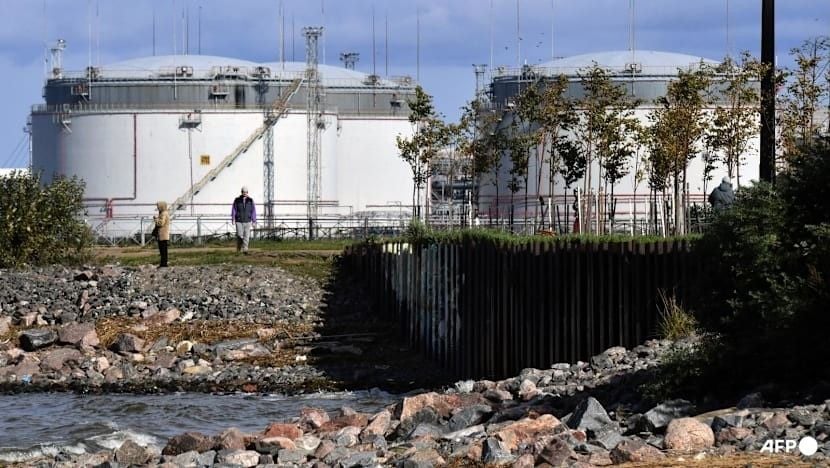
ASEAN is considering higher imports of Russian oil and gas to address domestic supply shortfalls amid disruptions to global energy flows caused by geopolitical conflicts. Experts said the shift is likely to be largely short-term, but could raise strategic dependence on Moscow, with potential diplomatic and longer-term economic consequences.
The United States extended exemptions that allow some Russian oil shipments to continue on ships offshore through May 16. Washington said the measure is intended to ease shortages triggered by the Iran-Israel conflict that escalated in February. Ukraine criticized the decision, arguing that Russian oil revenues could help Moscow finance its military campaign.
Analysts, however, said ASEAN has limited alternatives at present. Muyu Xu, senior crude analyst at Kpler, said the situation involves a global supply shortfall of 11–12 million barrels per day, making it difficult for countries to fully compensate or find substitutes. She added that the U.S. could add roughly 1 million barrels per day, but that would be small relative to the overall shortfall.
Kpler data cited by Xu indicated that since March, the Philippines has been the only Southeast Asian country importing oil from Russia, at about 2.5 million barrels. This comes after at least 4 million barrels of Middle East crude were cancelled due to tensions tied to U.S.-Israel-Iran developments.
Malaysia’s Prime Minister Anwar Ibrahim said Petronas is preparing to negotiate with Russia to secure supply. Asrul Sani of The Asia Group said Malaysia has a pragmatic, non-aligned approach, but access to Russian oil depends on pricing and sanctions. He also warned that large buyers such as China and India dominate the market, which can limit opportunities for smaller importers.
Thailand is also negotiating to buy Russian oil. Nithin Prakash of Rystad Energy said Thailand typically purchases remaining cargoes after primary buyers have completed deals, suggesting purchases may be more opportunistic than strategic. He cautioned that the economic benefits of Russian oil may be modest due to longer transport costs, higher insurance expenses, and the need for refinery adjustments.
Another factor is Russia’s export capacity, which has been affected by Ukrainian attacks on energy infrastructure in the Black Sea and Baltic. Xu said that while market conditions may currently be favorable, real capacity remains a concern.
Experts said the move toward Russian supplies is not only economic but also strategic. Yohanes Sulaiman of Ahmad Yani University said countries must weigh whether short-term gains justify longer-term consequences, including potential negative reactions from Europe if Moscow gains additional revenue to support its military campaigns.
Teuku Rezasyah of President University warned that Russia could use the situation to deepen influence, potentially seeking closer economic cooperation or even requests related to military equipment or alignment with Russia’s broader global agenda.
At the same time, Xu said domestic political pressures are pushing ASEAN governments to deprioritize diplomatic risks in favor of securing supply to avoid economic and social disruption.
Most experts agreed the trend is unlikely to last. Russia is viewed as a supplementary supplier rather than a long-term substitute. ASEAN countries still hold long-term contracts with the Middle East, where logistics are closer, with shipping times of 20–30 days. By contrast, Russian shipments take longer and depend on trading networks dominated by China and India.
Xu emphasized that Russian oil is currently a temporary fix to fill the supply gap, and no country is expected to fundamentally change its energy structure. In the long run, the crisis underscores ASEAN’s vulnerability to geopolitical shocks, given continued reliance on fossil fuel imports.
Experts said ASEAN’s energy challenge is therefore twofold: finding workable substitutes in the near term and accelerating the transition to more sustainable energy sources to reduce future risks.
Premium gym chains are entering a “golden era” that is ending or already in decline, as rising operating costs collide with shifting consumer preferences toward more flexible, community-based ways to exercise. Long-term memberships are shrinking, margins are pressured by higher rents and facility expenses, and competition from smaller, more personalized…