•
•
•
•
•
•
•
•
•
•
•
•
•
•
•
•
•
•
•
•
•
•
•
•
•
•
•
•
•
•
•
•
•


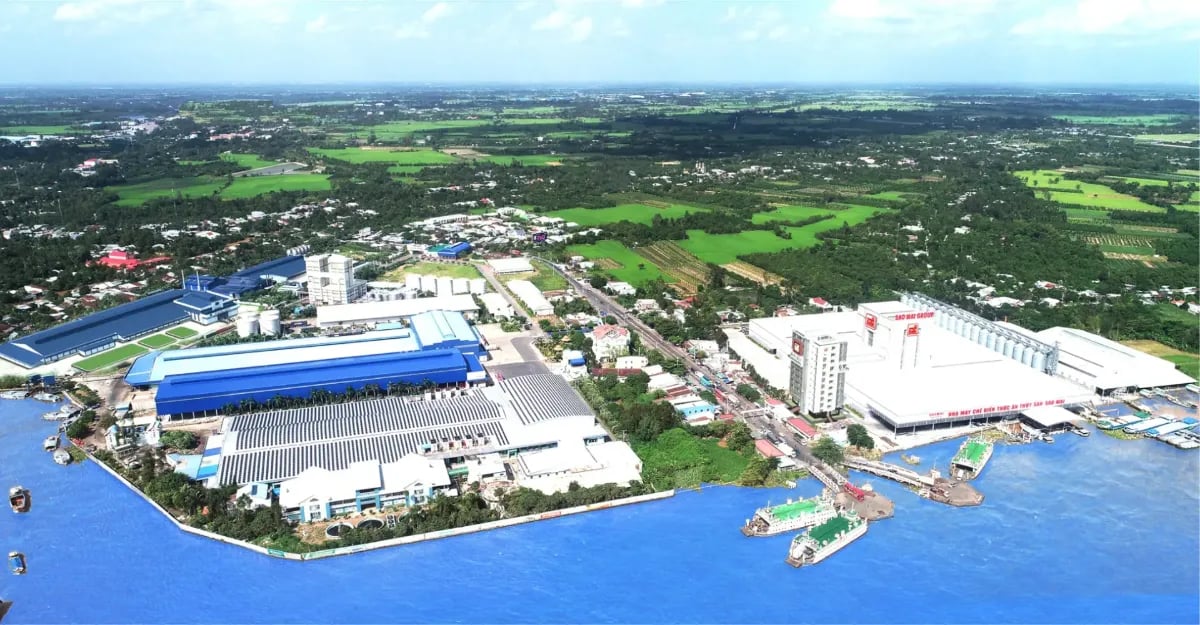
Sao Mai Group (ASM) reported stronger first-quarter results for 2026, but its financial position remains under pressure due to high debt and elevated inventory levels. In its consolidated financial statements for Q1/2026, the company recorded net revenue of about VND 2,469 billion, down approximately 9% year-on-year.
Although revenue fell, a sharp decline in the cost of goods sold supported a significant improvement in gross profit. After reducing financial costs and selling expenses, Sao Mai posted net profit after tax of VND 120 billion, up 217% year-on-year.
The notes to the consolidated financial statements show Sao Mai holds a sizable balance of cash deposits and held-to-maturity investments. As of March 31, 2026, held-to-maturity investments were nearly VND 2,848 billion, up about VND 176 billion from the start of the year. Term deposits accounted for the largest portion at VND 2,407 billion, up slightly versus year-start.
Short-term loans increased to VND 410 billion, more than double the VND 200 billion reported at the beginning of the year. The group also held VND 30 billion in bonds issued by VietinBank, due in 2033, with an interest rate equal to the reference rate plus a margin of 1.3% per year.
Meanwhile, the trading securities portfolio stood at about VND 4.48 billion, and Sao Mai still had to recognize an impairment allowance of over VND 618 million.
Short-term trade receivables reached about VND 2,747 billion, up by more than VND 327 billion from year-start. The company also reported that debt exposure is concentrated among a few large partners, including receivables from EVN exceeding VND 512 billion, rising sharply from the start of the year.
Prepayments to suppliers remained very high at over VND 3,040 billion, up about VND 88 billion compared with year-start. Inventories increased from over VND 4,820 billion to over VND 5,000 billion, up about VND 178 billion. The inventory structure indicates substantial capital tied up in real estate projects and unfinished production costs.
Real estate goods accounted for the largest share at over VND 2,432 billion, roughly flat versus year-start. Unfinished production costs rose to over VND 1,007 billion, up sharply from around VND 815 billion at the start of the year. Sao Mai also reported nearly VND 902 billion in finished goods, over VND 550 billion in goods, and various raw materials and tools for production.
On the long-term asset side, the company recorded more than VND 1,474 billion in construction in progress, up over VND 210 billion from year-start.
On the liabilities side, total liabilities rose by more than VND 500 billion to VND 15,779 billion. Taxes and other state obligations increased from VND 87 billion to over VND 120 billion. Total borrowings stood at VND 13,697 billion, up about VND 140 billion from year-start, accounting for roughly 57% of capital, including VND 970 billion in bonds.
Equity was VND 8,312 billion, including charter capital of VND 4,072 billion.
Sao Mai Group is a multi-industry company headquartered in Vietnam’s Mekong Delta, founded in 1997 by entrepreneur Le Thanh Thuan. The group began with construction and real estate before expanding into seafood, renewable energy, tourism, and commerce. Its core businesses include real estate, seafood, renewable energy, and travel–services.
In recent years, Sao Mai has faced pressures from a sluggish real estate market, high financing costs, and cash flow impacts linked to high inventory levels. In this context, the company approved dissolving a non-operational subsidiary, Maiki Japan Biotechnology Co., Ltd., as part of streamlining its organization and optimizing resources. Sao Mai stated the dissolution is part of its investment portfolio restructuring plan, focusing on core areas including real estate, seafood, and renewable energy.
Premium gym chains are entering a “golden era” that is ending or already in decline, as rising operating costs collide with shifting consumer preferences toward more flexible, community-based ways to exercise. Long-term memberships are shrinking, margins are pressured by higher rents and facility expenses, and competition from smaller, more personalized…