•
•
•
•
•
•
•
•
•
•
•
•
•
•
•
•
•
•
•
•
•
•
•
•
•
•
•
•
•
•
•
•
•


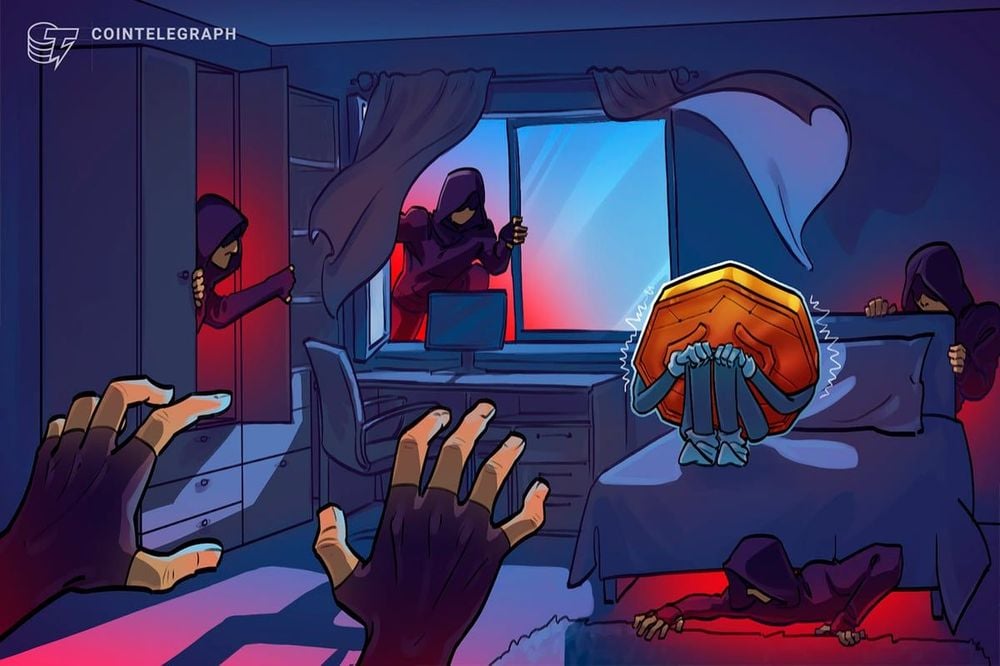
At least 12 decentralized finance (DeFi) protocols and crypto businesses have been attacked in just over two weeks following the $280 million Drift Protocol exploit on April 1. The incidents since the start of April include CoW Swap, Hyperbridge, Bybit, Dango, Silo Finance, BSC TMM, Aethir, MONA, Zerion, and, most recently, Rhea Finance and the Grinex exchange.
Rhea Finance said an attacker “leveraged a vulnerability in Rhea’s Margin Trading feature to execute a coordinated pool manipulation attack,” impacting the Rhea Lend smart contract. CertiK reported that around $7.6 million was extracted.
CertiK said the attacker created fake token contracts and added liquidity in fresh pools, likely misleading the oracle and validation layer.
Grinex suspended operations after a $13.7 million hack on Thursday, attributing the incident to “unfriendly states.”
The wave of attacks follows growing concerns that advancing AI models could make it easier for cyberattackers in the future. The article also points to the Drift Protocol and Zerion wallet exploits as examples of Democratic People’s Republic of Korea-affiliated groups using AI and social engineering to infiltrate crypto companies and steal credentials and funds.
DefiLlama data cited in the article says malicious actors pilfered over $168.6 million in cryptocurrency from 34 DeFi protocols in the first quarter of 2026.
With multiple protocols and exchanges targeted across different exploit types—including social engineering, oracle and access control failures, and liquidity pool manipulation—the incidents underscore the continuing vulnerability of crypto infrastructure. The reported losses span from hundreds of thousands of dollars in individual cases to the $280 million Drift Protocol exploit, and the $13.7 million Grinex hack.





Premium gym chains are entering a “golden era” that is ending or already in decline, as rising operating costs collide with shifting consumer preferences toward more flexible, community-based ways to exercise. Long-term memberships are shrinking, margins are pressured by higher rents and facility expenses, and competition from smaller, more personalized…