•
•
•
•
•
•
•
•
•
•
•
•
•
•
•
•
•
•
•
•
•
•
•
•
•
•
•
•
•
•
•
•
•


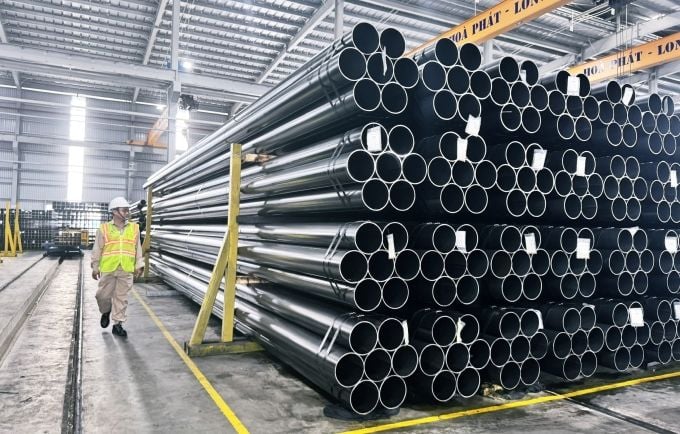
On April 18, Hoà Phát Group, led by billionaire Trần Đình Long, inaugurated a new steel pipe plant with an investment of VND 2 trillion. The facility is designed to produce construction steel pipes for civil projects and other key infrastructure projects, including the Long Thành airport.
The plant has a capacity of 400,000 tons per year. Hoà Phát said the project will raise the group’s total steel-pipe capacity to 1.2 million tons per year, helping it maintain leadership in the domestic market with an estimated market share of about 35%.
The new facility focuses on products used in civil and industrial construction, including black steel pipes, galvanized sheets, and ultra-large-diameter steel pipes.
According to the company, the plant is supplying steel pipes for major projects such as Long Thành airport, Phú Quốc airport, and the APEC Conference Center in Phú Quốc.
The plant includes a rooftop solar system of 10 MW, which the company said enables it to self-supply more than half of its electricity demand for production.
In the first three months of the year, Hoà Phát sold over 241,000 tons of steel pipes, up about 30% year-on-year. The southern region accounted for about 90,000 tons of steel consumption for the group, with last month reaching a record 37,600 tons.
Hoà Phát set this year’s revenue target at VND 210 trillion and profit of VND 22 trillion, representing increases of 33% and 42%, respectively, compared with last year. The company said that if these targets are achieved, it would mark the highest revenue in its history.
Steel currently accounts for about 95% of revenue, while agriculture and real estate contribute the remaining 5%, with agriculture and real estate at 1%.



Premium gym chains are entering a “golden era” that is ending or already in decline, as rising operating costs collide with shifting consumer preferences toward more flexible, community-based ways to exercise. Long-term memberships are shrinking, margins are pressured by higher rents and facility expenses, and competition from smaller, more personalized…



