•
•
•
•
•
•
•
•
•
•
•
•
•
•
•
•
•
•
•
•
•
•
•
•
•
•
•
•
•
•
•
•
•


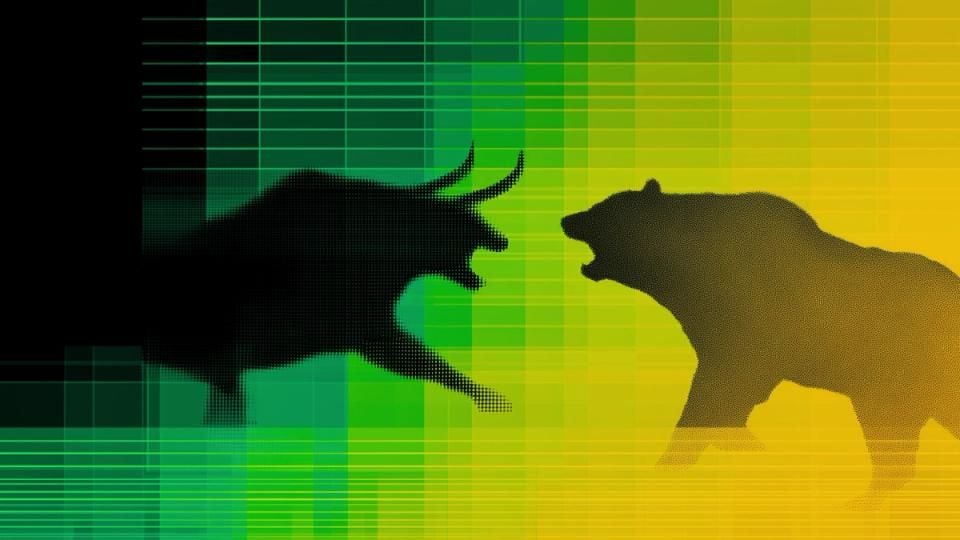
Bitcoin (BTC) and the wider crypto market rose over the past 24 hours after January’s U.S. jobs report showed growth in many sectors of the economy was restrained, even as the overall number came in well above forecasts and reduced expectations for near-term interest-rate cuts. BTC gained 1.25% during the period, while the CoinDesk 20 (CD20) index added 1.18%.
The latest move follows a steep drop last week, when bitcoin fell to nearly $60,000. The selloff triggered $3.2 billion in realized losses, the largest in bitcoin’s history, surpassing even the 2022 Terra collapse, according to Glassnode data.
Checkonchain described the event as a “textbook capitulation event,” in which low-conviction holders sold off quickly. Open interest also fell, according to CoinGlass.
Despite the rebound, traders appear reluctant to sell, even as interest-rate cuts look further away. Rate cuts typically lower fixed-income yields, which can make riskier assets more attractive.
Market pricing has shifted: odds on the Federal Reserve lowering rates by 25 basis points next month dropped to 7% from 18% on prediction market Polymarket, and to the same level from 20% on rival Kalshi.
Bitcoin’s positive reaction indicates sellers may be losing momentum. The Crypto Fear & Greed Index also points to sentiment at the lowest level since the collapse of FTX in 2022, suggesting the market bottom may have already occurred.
Tomorrow’s U.S. CPI report is expected to provide clearer guidance on what the Federal Reserve may do next, which could influence crypto market direction.







Premium gym chains are entering a “golden era” that is ending or already in decline, as rising operating costs collide with shifting consumer preferences toward more flexible, community-based ways to exercise. Long-term memberships are shrinking, margins are pressured by higher rents and facility expenses, and competition from smaller, more personalized…