•
•
•
•
•
•
•
•
•
•
•
•
•
•
•
•
•
•
•
•
•
•
•
•
•
•
•
•
•
•
•
•
•


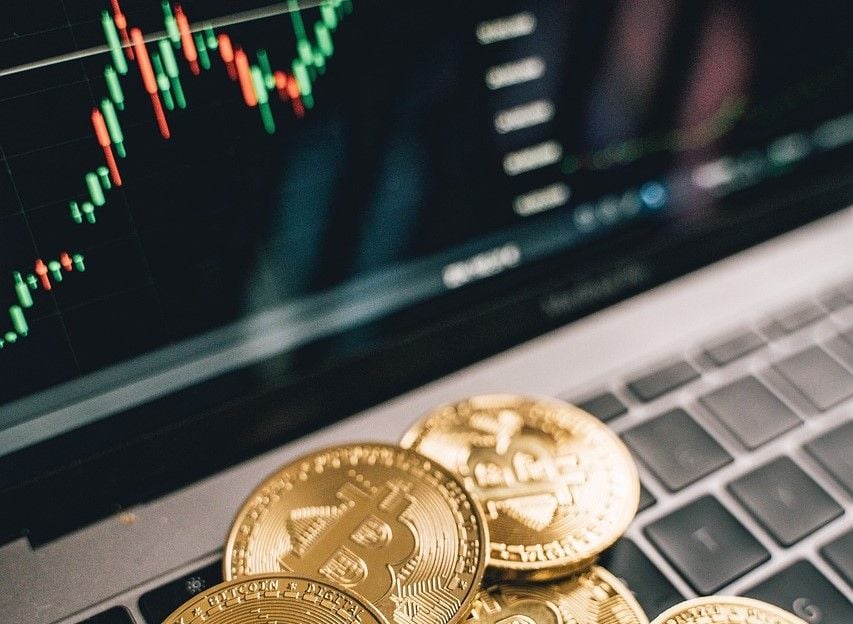
Bitcoin (BTC) regained stability on Thursday, holding above the crucial $67,000 level after briefly dipping below $66,000 during early U.S. trading. The world’s largest cryptocurrency was recently trading near $67,238, marking a modest 1% gain over the past 24 hours. The move suggests buyers are defending key technical support, even as broader crypto market sentiment remains cautious.
The CoinDesk 20 Index underperformed, with major altcoins such as ether (ETH), XRP, BNB, dogecoin (DOGE), and solana (SOL) trading flat or slightly lower. The muted performance in alternative cryptocurrencies signals continued risk aversion among investors following recent volatility in digital asset markets.
Crypto-related stocks posted moderate gains despite weakness in traditional equities. Bitcoin mining companies CleanSpark (CLSK) and MARA Holdings (MARA) led the advance with roughly 6% increases. Meanwhile, the S&P 500 fell 0.3% and the Nasdaq 100 declined 0.6%, reflecting broader market uncertainty.
Regulatory developments remain in focus as discussions around a U.S. digital asset market structure bill show incremental progress. Industry representatives and banking officials recently engaged in White House-hosted talks, though no final agreement has been reached.
Lingering stress from the recent crypto downturn continues to surface. Chicago-based crypto lender Blockfills is reportedly exploring a sale after suffering a $75 million lending loss and temporarily halting client deposits and withdrawals. While fears of large-scale collapses similar to Celsius and FTX have not materialized, investors remain vigilant.
Concerns are also emerging in traditional credit markets after Blue Owl restricted redemptions in a $1.7 billion private credit fund, pressuring shares of major asset managers.
In crypto derivatives markets, traders are actively buying downside protection, limiting upside exposure. With the average U.S. spot Bitcoin ETF cost basis near $84,000, many investors remain underwater, raising the risk of capitulation selling if prices decline further. However, ETF holdings remain close to peak levels, suggesting institutions are reducing exposure gradually rather than exiting aggressively.
Geopolitical tensions, particularly involving Iran, have pushed crude oil prices above $66 per barrel.






Premium gym chains are entering a “golden era” that is ending or already in decline, as rising operating costs collide with shifting consumer preferences toward more flexible, community-based ways to exercise. Long-term memberships are shrinking, margins are pressured by higher rents and facility expenses, and competition from smaller, more personalized…