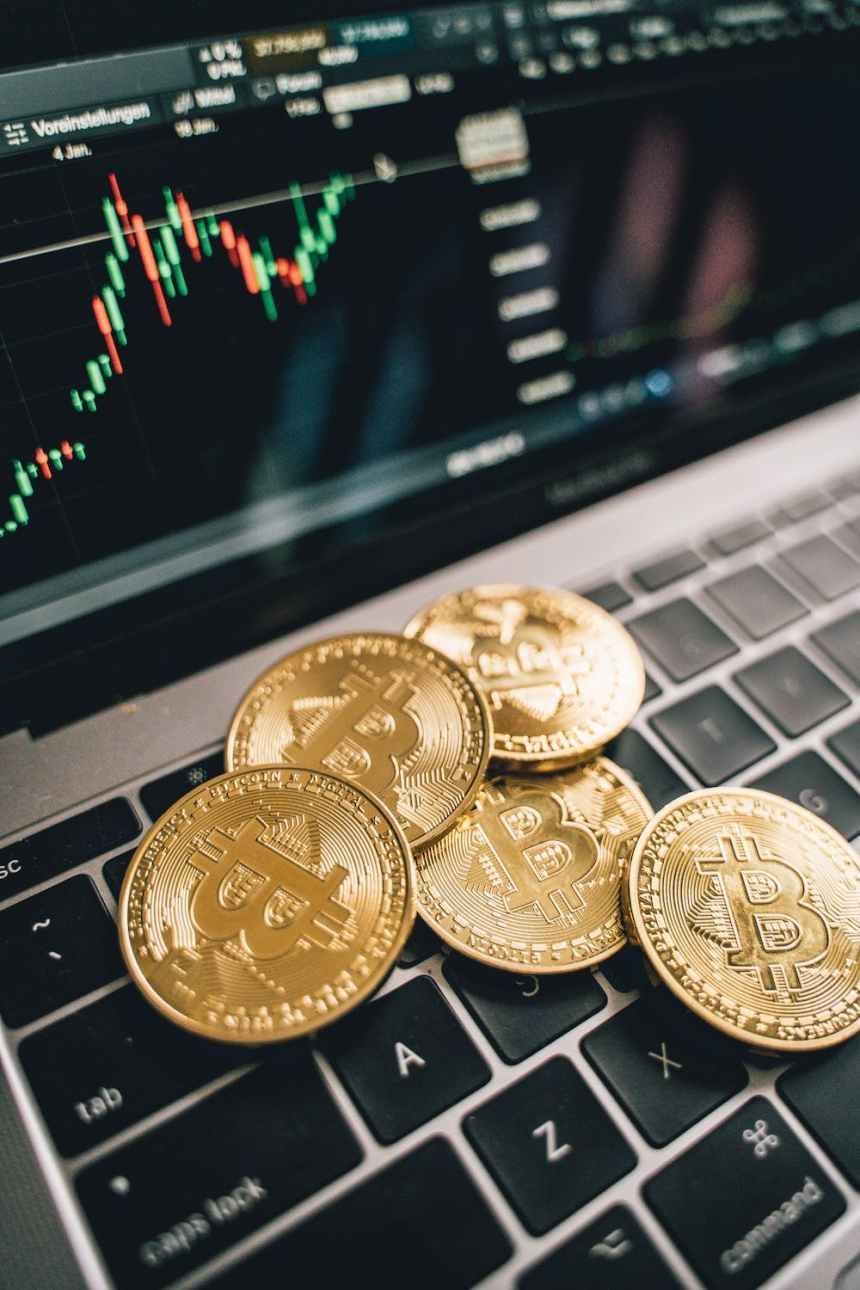
Bitcoin rose above $80,000 this morning after fluctuating since last night and held above this level. By midday Vietnam time, the world’s largest cryptocurrency briefly traded above $81,200 per unit, the highest price since late January.
Bitcoin’s rise came while several other major tokens moved in the opposite direction. Ether (ETH) held around $2,379, down slightly from yesterday but up 4% for the week. XRP fell 0.9% to $1.40, while Solana declined by a similar amount to $84.84. BNB was steady at $626. Dogecoin slipped 1% after last week’s rally, but remained the standout among the past seven days with a gain of more than 12%.
The rally in Bitcoin occurred as oil prices fluctuated. At the close of May 4, Brent crude rose 5.8% to $114 a barrel. WTI added 4.4% to $106. In early trading on May 5, WTI was down 1% at around $105.
In precious metals, spot gold closed yesterday down more than $90 to $4,521 an ounce. Early trading today continued lower, at about $4,518.
The macro backdrop has not improved, though US-Iran tensions appear to be having less impact on Bitcoin. Late last night, US Navy destroyers USS Truxtun and USS Mason passed through the Strait of Hormuz despite Iranian fire from drones. Earlier, the UAE accused Iran of launching a new attack with missiles and drones targeting the country, including a drone that caused a fire at the Fujairah oil industrial area. US President Donald Trump said the conflict could last another two to three weeks, suggesting the ceasefire reached four weeks earlier is at risk.
According to CoinDesk’s Tiểu Gu, two NFT-related notes followed, citing activity but contrasting liquidity conditions. Two NFT collections—Bored Ape Yacht Club and Pudgy Penguins—recently rose in price, but liquidity remained thin and many participants were still in the red.