•
•
•
•
•
•
•
•
•
•
•
•
•
•
•
•
•
•
•
•
•
•
•
•
•
•
•
•
•
•
•
•
•



Block has introduced an on-chain proof-of-reserves system covering its corporate Bitcoin holdings and key consumer products, extending its push for transparency in digital asset custody.
Block said users can independently verify its Bitcoin reserves through cryptographic signatures published on-chain. The signatures are intended to allow public confirmation of balances tied to its treasury, Cash App, and Square.
The company said the system is designed to validate control over 8,883 BTC, which it valued at about $681.4 million. Block also said the reserves are “actively controlled, not just historically observed,” describing the approach as enabling real-time verification rather than static snapshots.
Block added that users “shouldn’t have to trust that their bitcoin is there; they should be able to verify it,” according to the company’s statement.
Proof-of-reserves disclosures gained broader attention after the collapse of FTX in November 2022, when exchanges began publishing verifiable holdings to reassure users about asset backing. Block’s rollout follows similar moves by platforms including Binance, Kraken, OKX, Bitfinex, and Bitget.
Not all participants in the industry support proof-of-reserves systems. Michael Saylor said in May 2025 that publishing proof-of-reserves can introduce security risks by exposing sensitive wallet data.
“It actually dilutes the security of the issuer, the custodians, the exchanges and the investors,” Saylor said at the time, adding, “It’s not a good idea. It’s a bad idea.”
Strategy, which holds significantly more BTC than Block, has not adopted proof-of-reserves disclosures, according to the article.
Alongside the verification system, Block expanded its Bitcoin product suite. The company introduced an updated Bitkey hardware wallet with a touchscreen for transaction verification.
On Cash App, Block added a feature for selected users that automatically converts incoming payments into Bitcoin.
For merchants using Square, Block introduced 5% Bitcoin cashback rewards on purchases. The company also increased withdrawal limits to $10,000 per day and $25,000 per week.
Earlier efforts to widen Bitcoin access included plans to revive a faucet model through btc.day, a campaign first outlined in April 2026. Block linked the initiative to education and onboarding, referencing early distribution methods used in 2010 by developer Gavin Andresen, though it did not disclose how much BTC would be distributed or who would be eligible.
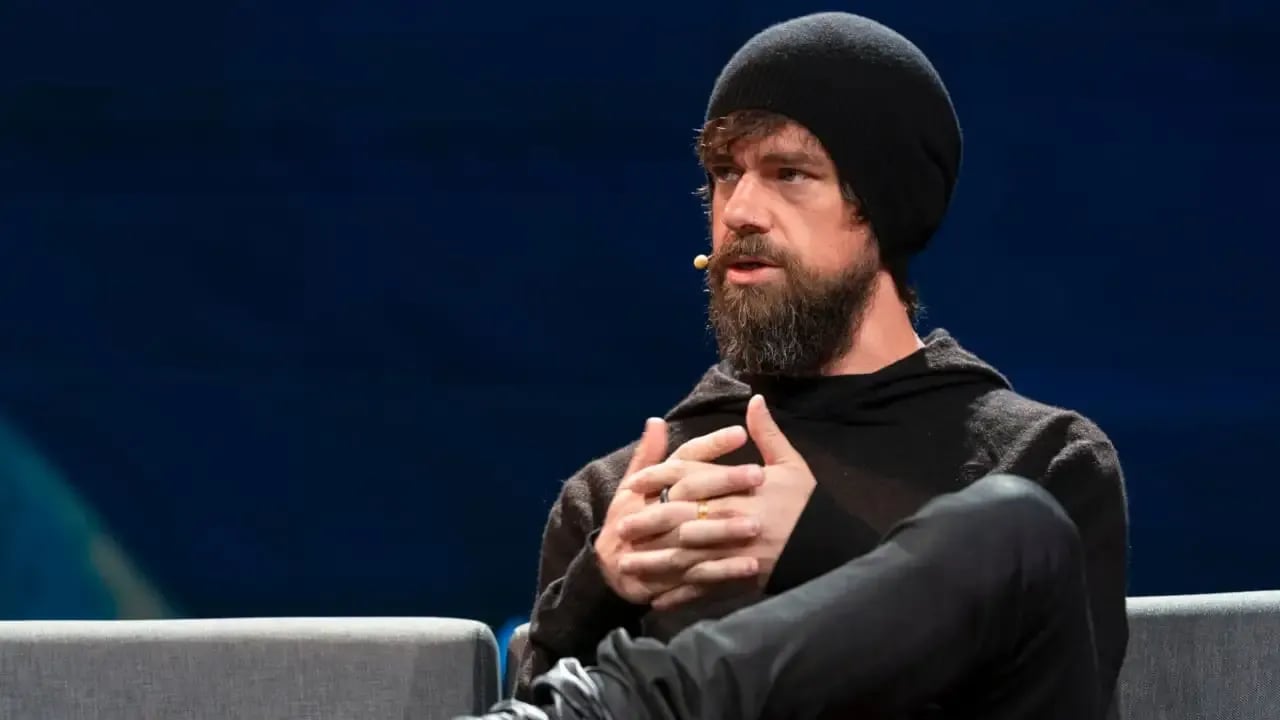
Jack Dorsey has repeatedly framed Bitcoin as a payment network, arguing that wider adoption is necessary to support Satoshi Nakamoto’s original design for peer-to-peer electronic cash.

Premium gym chains are entering a “golden era” that is ending or already in decline, as rising operating costs collide with shifting consumer preferences toward more flexible, community-based ways to exercise. Long-term memberships are shrinking, margins are pressured by higher rents and facility expenses, and competition from smaller, more personalized…