•
•
•
•
•
•
•
•
•
•
•
•
•
•
•
•
•
•
•
•
•
•
•
•
•
•
•
•
•
•
•
•
•


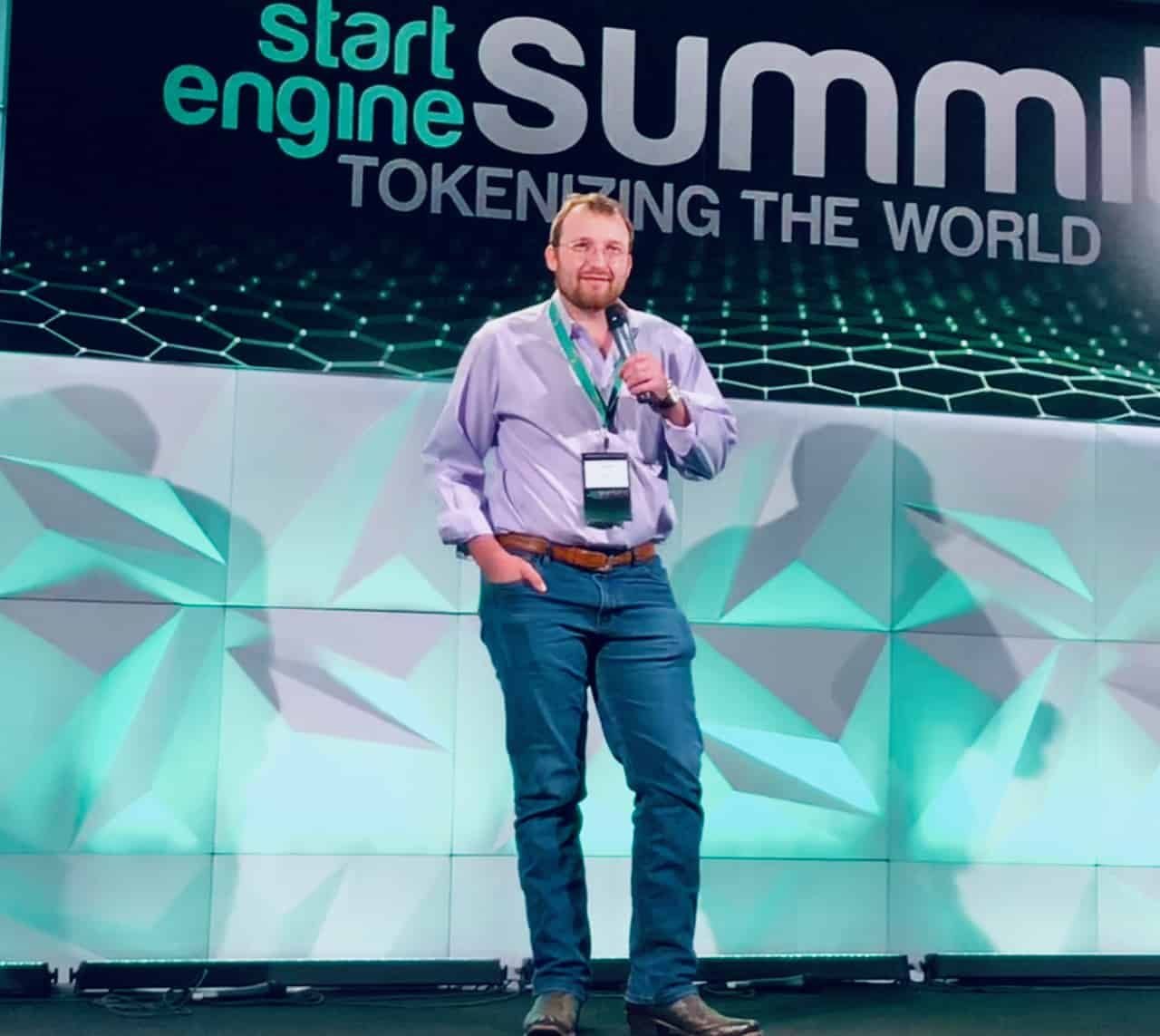
Cardano and Ethereum co-founder Charles Hoskinson has argued that everyday smartphones could provide stronger protection for digital assets than many traditional hardware wallets. He points to the secure elements built into devices such as iPhones, Android phones, and certain Samsung models, saying these integrated chips can offer better isolation and transaction-signing performance than dedicated hardware from companies including Ledger and Trezor.
Hoskinson said many users already carry advanced hardware in their pockets, but do not fully use its capabilities. He linked this to the potential for more accessible, seedless self-custody approaches aimed at mainstream adoption.
In recent weeks, Hoskinson has also been outspoken about shortcomings across the cryptocurrency sector. He argued that the industry needs genuinely permissionless networks that differentiate through clear advantages rather than relying on hype or incremental upgrades.
His comments emphasize practical decentralization, with a focus on real-world usability, interoperability, and resistance to centralized control. He framed these as key requirements for the next phase of industry growth.
Meanwhile, Ethereum co-founder Vitalik Buterin continues to advocate for advances in privacy-focused cryptography. In a research paper released on May 10, he examined how zero-knowledge proofs and related techniques could change crypto payments.
Buterin’s work centers on moving beyond basic pseudonymity toward confidentiality by default. He also highlighted blockchain’s ability to reshape economic interactions by enabling participants to transact without constant reliance on trust between parties.
In that trust-minimized model, he suggested, more secure and verifiable systems could be built—particularly as AI agents and complex financial tools become more common.
Investors and traders in decentralized finance (DeFi) frequently cite the appeal of open, intermediary-free platforms. However, the sector continues to face persistent risks, including high-profile hacks and security vulnerabilities that have exposed user funds.
These incidents illustrate a gap between decentralization’s theoretical benefits and the practical challenges of protecting assets in live environments.
Returning to Hoskinson’s critique of hardware wallets, observers noted that Ledger users have reported significant losses in some cases, with substantial sums disappearing from accounts. While Ledger maintains that its devices remain secure when proper protocols are followed, many breaches have been associated with user mistakes.
Examples cited include falling for phishing schemes, mishandling recovery phrases, or failing to verify transactions carefully. The cases are used to support Hoskinson’s broader point that security depends not only on the hardware itself, but also on intuitive design and user behavior.
As both Cardano and Ethereum-related figures and other industry participants weigh in, the crypto community appears to be at a pivotal point. Attention is increasingly directed toward mobile-native security, privacy algorithms, and fully decentralized architectures.
The direction described in the coverage suggests an industry trying to address longstanding weaknesses by prioritizing user-centric solutions over familiar tools that may carry known risks.
Premium gym chains are entering a “golden era” that is ending or already in decline, as rising operating costs collide with shifting consumer preferences toward more flexible, community-based ways to exercise. Long-term memberships are shrinking, margins are pressured by higher rents and facility expenses, and competition from smaller, more personalized…