•
•
•
•
•
•
•
•
•
•
•
•
•
•
•
•
•
•
•
•
•
•
•
•
•
•
•
•
•
•
•
•
•


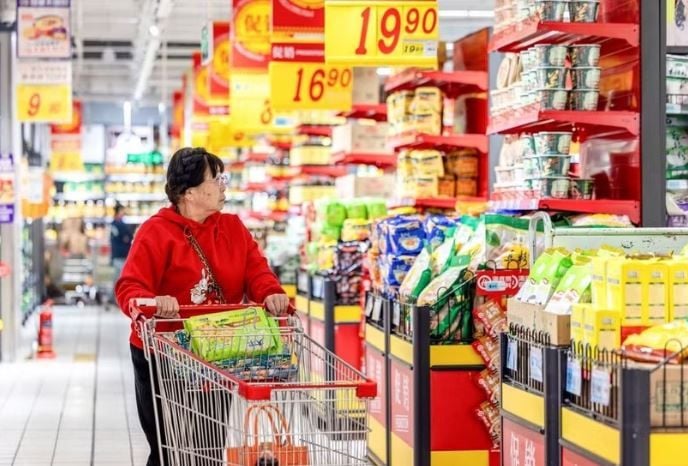
On April 17, China announced a series of policy priorities aimed at strengthening economic momentum, expanding domestic demand, and ensuring stable development.
At a Beijing press briefing, Wang Xianlin, Deputy Director of the National Development and Reform Commission (NDRC), said China would implement multiple macroeconomic policies and also lay out contingency measures for different real-world conditions. The government will push to expand domestic demand effectively, develop an action plan for 2026-2030, and accelerate progress on key projects.
Wang Xianlin said that despite China’s massive market size, consumer potential remains underutilized, particularly in services. Authorities plan to implement a comprehensive consumer-stimulus campaign designed to create conditions for stable income, confidence, and willingness to spend.
Raising household purchasing power was identified as the top priority. Measures include improving the employment-boosting mechanism, supporting stable firms and expanding hiring, encouraging entrepreneurship, and promoting new industries.
Alongside a replacement program for old consumer goods, China will focus on upgrading the services sector, particularly healthcare, elder care, and cultural tourism.
Authorities will strengthen skills training, develop job opportunities, protect workers’ rights, and ensure social safety nets for vulnerable groups. They will also implement income-raising plans for both urban and rural residents, facilitating two-way mobility and integration into China’s labor market.
The content is outlined in guidelines issued by the Ministry of Human Resources and Social Security, the NDRC, and the Ministry of Agriculture and Rural Affairs.
China will also leverage its large market to promote new consumption scenarios and a “smart economy” through the AI plus initiative. The authorities said they will promote technological innovation and develop emerging industries.
In parallel, China will commit to ensuring stable supplies and prices for essential goods such as energy and food, while accelerating construction of a new energy system and promoting stable development of the real estate market.
Official data show China’s economy grew 5% in the first quarter, surpassing international organizations’ expectations and reinforcing its role as a stabilizing force in a volatile global economy.


Premium gym chains are entering a “golden era” that is ending or already in decline, as rising operating costs collide with shifting consumer preferences toward more flexible, community-based ways to exercise. Long-term memberships are shrinking, margins are pressured by higher rents and facility expenses, and competition from smaller, more personalized…




