•
•
•
•
•
•
•
•
•
•
•
•
•
•
•
•
•
•
•
•
•
•
•
•
•
•
•
•
•
•
•
•
•


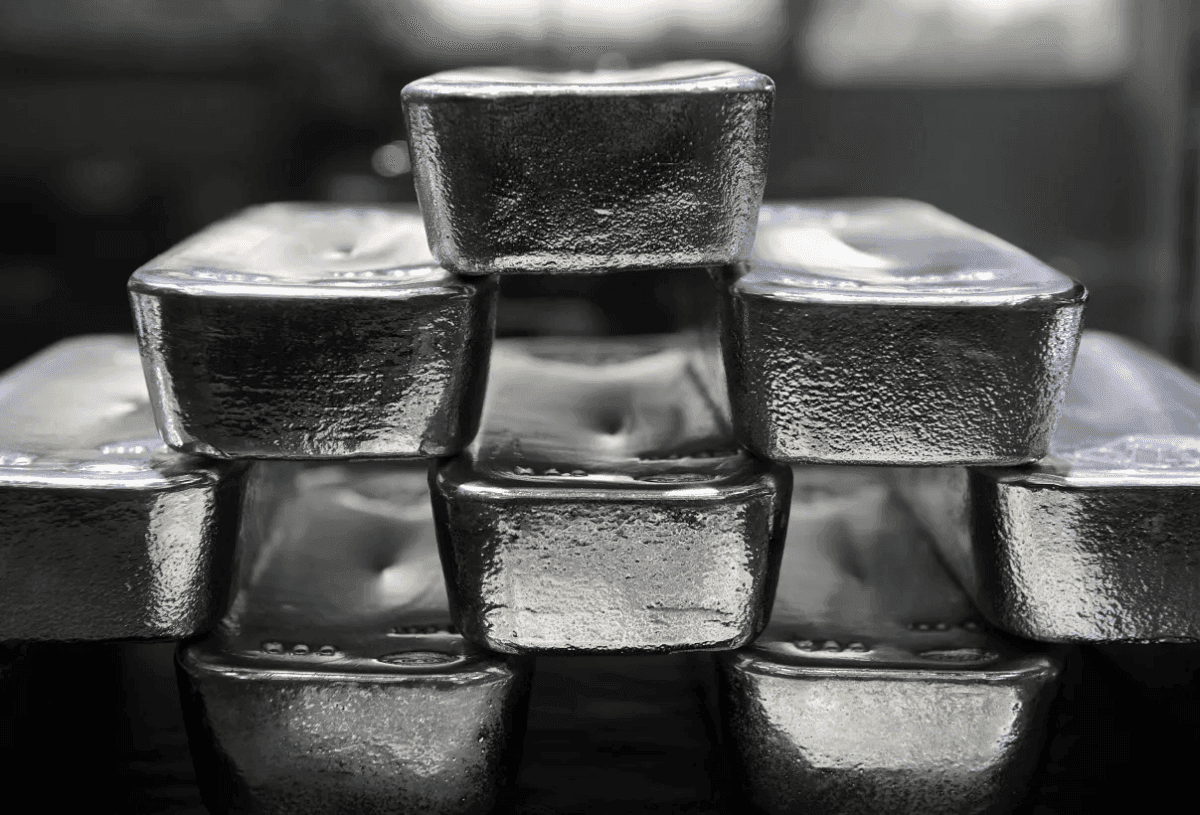
China, the world’s largest silver consumer, stepped up imports of the metal in March, reaching 836 tonnes, well above the 10-year March average of about 306 tonnes. The jump was driven mainly by demand from retail investors and China’s massive solar-energy industry. Chinese individual investors poured funds into the silver market, viewing it as an alternative to gold, which is far more expensive. Meanwhile, Chinese solar-panel manufacturers ramped up production ahead of the expiry of the export tax rebate on April 1. The solar industry consumes about one-fifth of global silver supply annually, and most producers in the sector are concentrated in China. However, according to Zijie Wu, an analyst at Jinrui Futures Co., the pace of silver imports in March is unlikely to be sustained for long and will revert to normal levels in the near future. “There is no long-term supply-demand imbalance for silver in China, given that China is the world’s largest silver producer,” Wu said. Robust demand has pushed silver prices in China higher than the international benchmark, creating an opportunity for traders to move silver from around the world to China to capitalize on the price differentials. Much of the silver imported into mainland China has been transported via Hong Kong. However, silver and gold prices have fallen significantly after hitting records earlier this year in January, as the energy crisis triggered by the US-Iran conflict raised inflation concerns globally, raising the possibility that central banks keep rates higher for longer. Demand from individual investors, which tends to rise when precious metal prices spike, has also cooled. Silver prices in recent trading sessions have hovered around $80 per ounce, versus the January peak of about $121. Industrial demand for silver in China faces pressure from Beijing’s commitment to curb overcapacity in the solar-energy sector, which could lead to lower output from producers in the space. At the same time, high silver prices could prompt Chinese solar-PV makers to substitute silver with cheaper base metals. A recent report by the Silver Institute and Metals Focus suggests the silver market is entering its sixth consecutive year of supply deficit, potentially signaling another silver shortage even though demand is forecast to weaken. The report projects a sixth consecutive deficit in 2026 as total demand again exceeds supply. Since 2021, some 762 million ounces of silver have been withdrawn from stockpiles. “Going forward, silver supply tensions may not be continuous, but overall on-market supply will be tighter, rental rates for silver will be more volatile, and silver prices are likely to swing with larger amplitude than in recent years,” the report said.





Premium gym chains are entering a “golden era” that is ending or already in decline, as rising operating costs collide with shifting consumer preferences toward more flexible, community-based ways to exercise. Long-term memberships are shrinking, margins are pressured by higher rents and facility expenses, and competition from smaller, more personalized…