•
•
•
•
•
•
•
•
•
•
•
•
•
•
•
•
•
•
•
•
•
•
•
•
•
•
•
•
•
•
•
•
•


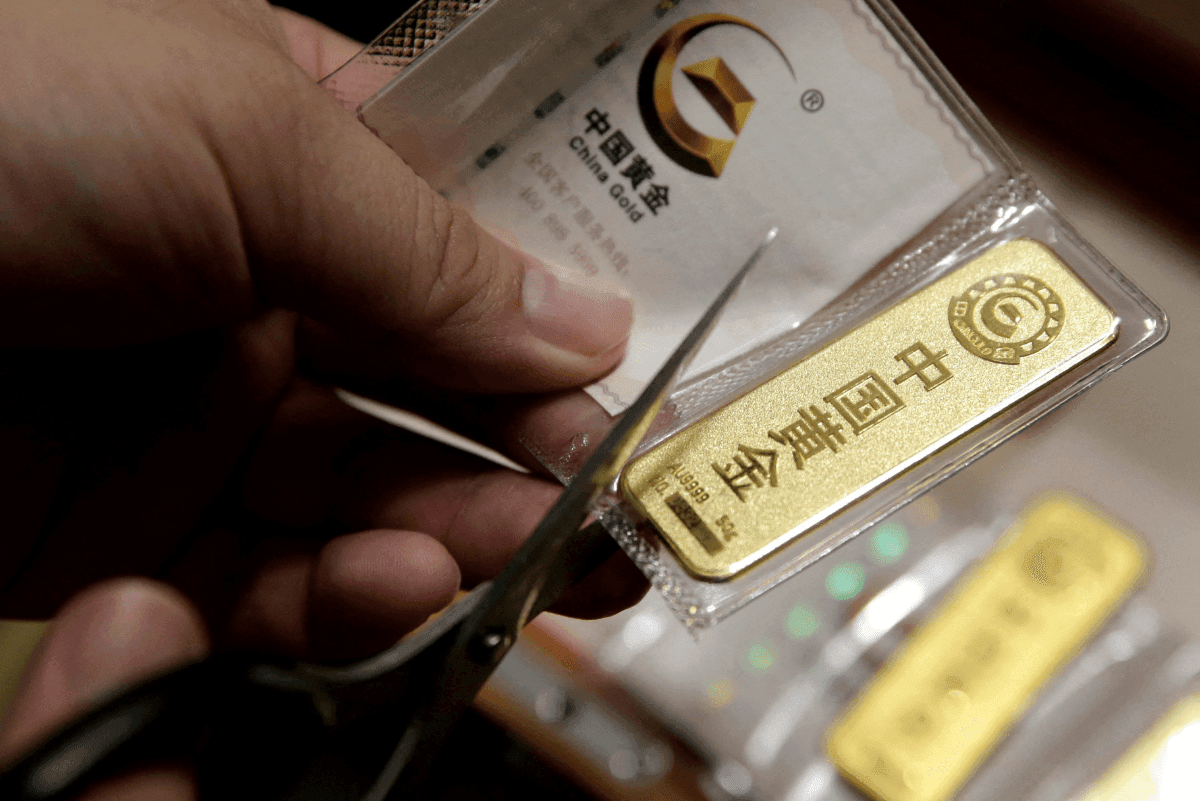
China’s central bank continued to add to its gold reserves in April, extending net gold purchases to 18 consecutive months, even as gold faced downward pressure following several years of strong gains amid global inflation concerns tied to energy prices.
Data released by the People’s Bank of China (PBOC) on May 7 showed the bank bought a net 260,000 ounces of gold in April. The volume marked the strongest monthly net gold purchase by the PBOC since last December.
As a result, official Chinese gold reserves rose to 74.64 million ounces by the end of April, up from 74.38 million ounces at the end of March.
“Shao Yu, the chief economist at the School of Management, Fudan University, said the PBOC acts as a long-term asset allocator rather than a short-term trader,” as quoted by China Daily.
He said China’s continued net gold buying reflects a strategy to build a gold position to hedge risk, while also aiming to optimize costs over time.
According to Shao, the PBOC may continue to pursue net gold reserve purchases “in small but steady amounts” to increase reserves. He added that the PBOC can flexibly adjust the pace of buying—slowing when gold prices rise and buying more when prices fall sharply.
Shao also suggested that maintaining a trend of net gold reserve purchases can help stabilize global gold markets and limit price declines by supporting demand.
Separate data from the State Administration of Foreign Exchange (SAFE) showed China’s foreign exchange reserves rose above $3.4 trillion in April, supported by a weaker U.S. dollar and uneven movement in global asset prices.
By the end of April, China’s foreign exchange reserves stood at $3.4105 trillion, up $68.4 billion from the end of March, representing a 2.05% month-on-month increase.
SAFE also said China’s economy maintained a stable growth path, with improvements and resilience supporting keeping foreign exchange reserves at a stable level.
Analysts cited central bank demand for net gold purchases—particularly from the PBOC—as one reason for optimism about gold’s long-term outlook.
In a new report, U.S. investment bank Morgan Stanley forecast that gold could reach $5,200 per ounce for the remainder of the year. The bank attributed the outlook to purchases from central banks such as the PBOC, ETF funds, and the possibility of Federal Reserve rate cuts in 2027.
At the same time, Morgan Stanley warned that the Iran conflict has made gold trade more like an instrument driven by interest-rate expectations than purely as a safe-haven asset.
Premium gym chains are entering a “golden era” that is ending or already in decline, as rising operating costs collide with shifting consumer preferences toward more flexible, community-based ways to exercise. Long-term memberships are shrinking, margins are pressured by higher rents and facility expenses, and competition from smaller, more personalized…