•
•
•
•
•
•
•
•
•
•
•
•
•
•
•
•
•
•
•
•
•
•
•
•
•
•
•
•
•
•
•
•
•


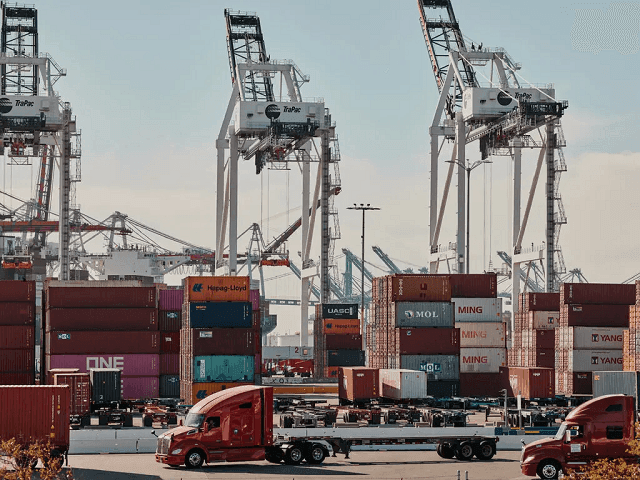
Diesel shortages are more concerning than gasoline shortages as the Iran conflict disrupts supply. The conflict is severely disrupting global diesel supply, a fuel essential for transportation and production, while gasoline—used mainly by personal vehicles—is affected less. This disparity makes diesel a larger economic issue than gasoline.
Diesel prices have risen much faster than gasoline as the Iran conflict disrupts global oil supply. Since fighting began on February 28, the average price per gallon of diesel has risen about 45%, while gasoline has risen about 35%. The U.S. Energy Information Administration (EIA) projects diesel prices could exceed $5.80 per gallon this month, while gasoline averages around $4.30 per gallon.
Although prices cooled slightly in the past week on hopes for peace talks, the gap between diesel and gasoline remains wide.
Even before the war, diesel supply was tight, leaving little cushion when Gulf producers—an important source—had to cut exports. Most crude in the Gulf region is suitable for producing diesel and jet fuel, so supply disruptions directly affect these fuels. As a result, diesel has risen sharply while gasoline mostly tracks crude oil prices.
The market is short of diesel, jet fuel, and other distillates, while gasoline remains relatively abundant. Before the war, Gulf refiners exported more diesel and jet fuel than gasoline, and no country could quickly compensate for the shortfall. China, a potential supplier, limited fuel exports to prioritize domestic demand. Even the United States, a net exporter of petroleum products, cannot fully offset because about 20% of global oil supply is disrupted.
Crude quality also matters: U.S. crude is more suitable for gasoline, while Gulf crude is more suitable for diesel. Demand is another constraint—diesel demand is harder to curb because it is tied to transportation and agriculture, while gasoline demand can be more easily managed by consumers.
Both fuels are refined from crude oil, but they have different properties suited to their uses. Gasoline is primarily used for passenger vehicles and has lower energy density than diesel. Diesel is used for trucks, tractors, and heavy equipment due to higher efficiency.
Refineries have limited flexibility and cannot quickly ramp up diesel production. Adjusting production shares requires large investments and time. As noted by Patrick De Haan of GasBuddy, producers cannot simply switch processes to produce only diesel; everything is designed for a mix.
In the U.S., diesel is often more expensive than gasoline due to stricter sulfur-processing requirements—a complex and costly process. When lower-sulfur fuel standards were adopted in 2006, costs rose by a few cents per gallon. Federal taxes on diesel are also higher than gasoline by about 6 cents per gallon.
Because the U.S. produces large volumes of diesel for export, domestic diesel prices tend to reflect global supply-demand more closely than gasoline. The more diesel that is exported, the more domestic prices feel the impact. In addition, the diesel transportation system is more limited, which can magnify price differentials across regions.
If the Hormuz Strait reopens, energy supply should stabilize gradually and prices may ease. However, given the severity of the disruption, diesel prices are unlikely to return to pre-war levels in the near term, and restoring the supply chain could take months.
Premium gym chains are entering a “golden era” that is ending or already in decline, as rising operating costs collide with shifting consumer preferences toward more flexible, community-based ways to exercise. Long-term memberships are shrinking, margins are pressured by higher rents and facility expenses, and competition from smaller, more personalized…