•
•
•
•
•
•
•
•
•
•
•
•
•
•
•
•
•
•
•
•
•
•
•
•
•
•
•
•
•
•
•
•
•


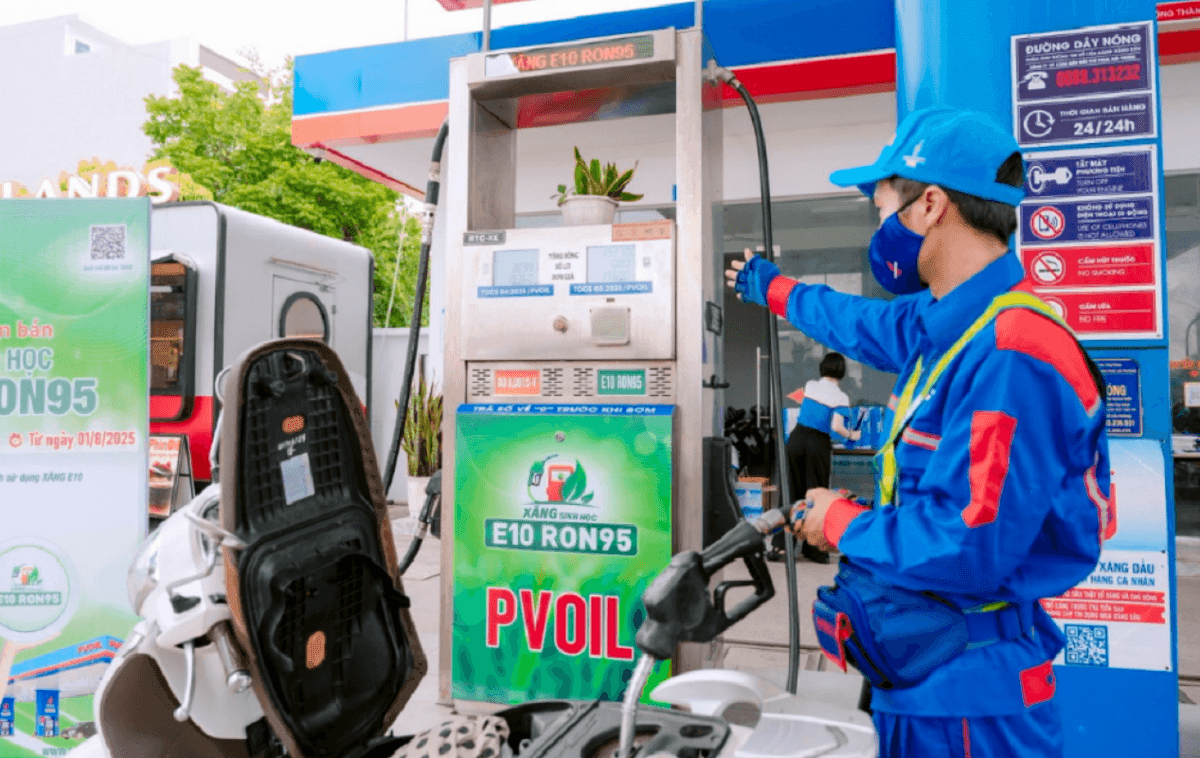
Amid volatile global oil prices, boosting ethanol blending to 10% (E10) is being positioned as a technical and market tool to ease domestic gasoline price pressures and strengthen energy self-sufficiency. Nguyen Anh Tuan, Head of the Gasoline and Gasoline Product Management at the Department of Domestic Market Management and Development under the Ministry of Industry and Trade (MOIT), said the shift to biofuel E10 has been issued through Circular 50/2025/TT-BCT.
Under the circular, starting June 1, 2026, unleaded gasoline used in gasoline engines nationwide will be required to be blended into E10.
Companies including Petrolimex and PVOIL have already piloted E10 in Hanoi and Haiphong, reflecting preparedness for the nationwide transition.
Mr. Bui Ngoc Bao, President of the Vietnam Petroleum Association, said Vietnam’s biofuel rollout is behind some peers. However, domestic firms have invested in upgrading tanks, basins, pumping stations and related equipment for more than a decade. He said these efforts help reduce additional investment costs while also delivering environmental and energy security benefits.
From a corporate perspective, Nguyen Xuan Hung, Deputy General Director of Petrolimex, said the company’s system is ready for E10 deployment. He noted that in more than five years of selling E5, there have been no technical incidents or consumer complaints, indicating system adaptability.
The push to blend ethanol at a 10% rate is described as a key technical and market measure to reduce domestic gasoline price pressure. Nguyen Xuan Hung said that when mineral oil prices rise sharply, MOIT will coordinate with relevant ministries to promote biofuel use and replace part of imported base gasoline with domestic ethanol, saving about 10%.
To support E10 competitiveness and consumer acceptance, policy will aim to maintain a reasonable price gap between E10 and mineral gasoline to encourage natural switching. MOIT will also coordinate with the Ministry of Finance and other agencies to study tax incentives for biofuels to reduce production costs.



Premium gym chains are entering a “golden era” that is ending or already in decline, as rising operating costs collide with shifting consumer preferences toward more flexible, community-based ways to exercise. Long-term memberships are shrinking, margins are pressured by higher rents and facility expenses, and competition from smaller, more personalized…