•
•
•
•
•
•
•
•
•
•
•
•
•
•
•
•
•
•
•
•
•
•
•
•
•
•
•
•
•
•
•
•
•


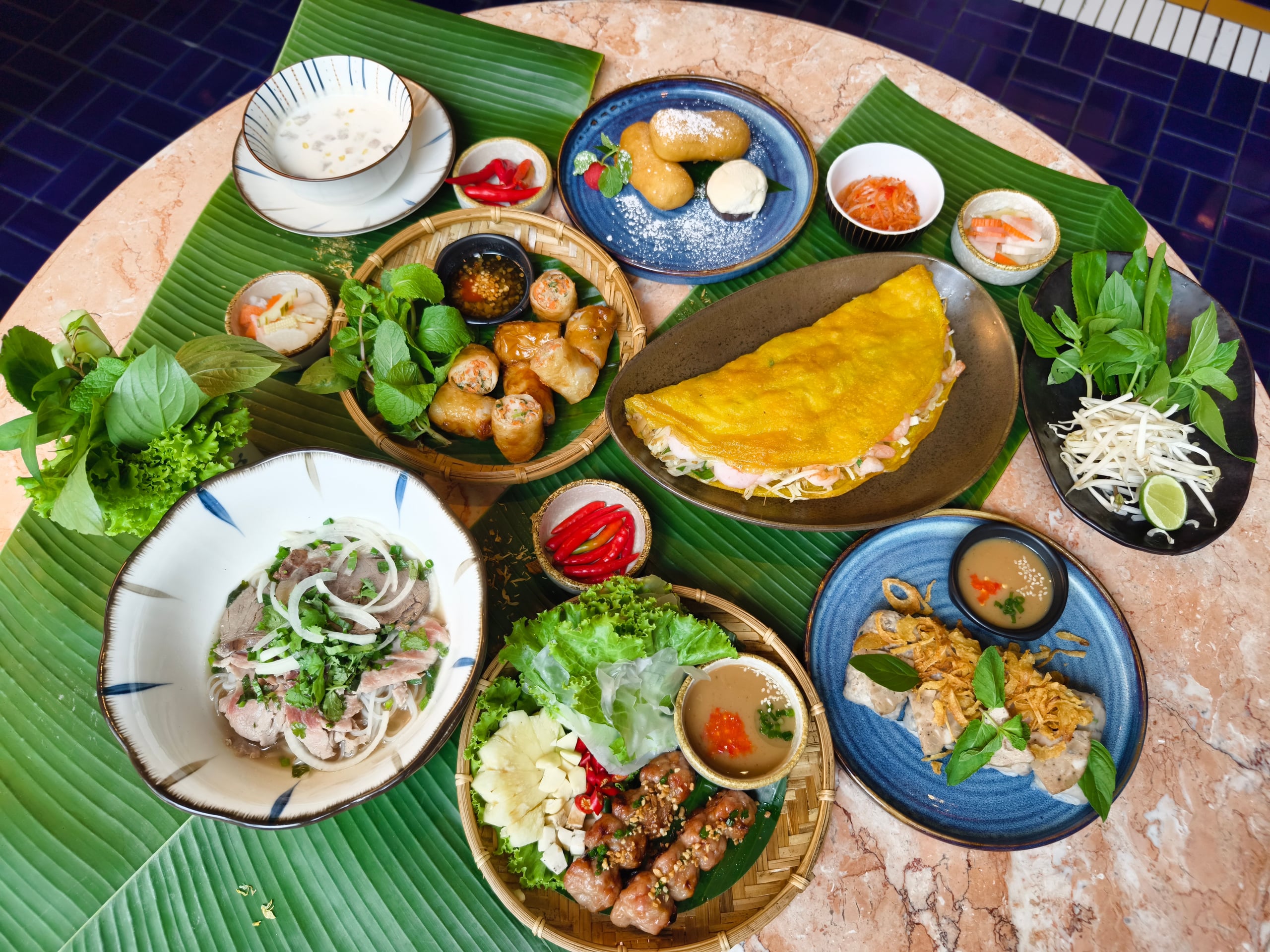
Recent global surveys indicate consumers are shifting from “eating to fill up” to “eating with purpose,” with greater emphasis on physical fitness and mental well-being. Culinary experiences are increasingly being treated as part of personal-care strategies, while Vietnam’s food and beverage (F&B) sector moves from a period of fast growth toward more quality-driven development.
Consumer-research firm Circana reported that in 2025, 51% of U.S. Gen Z consumers actively increased their protein intake. Products labeled as high-fiber recorded 32% growth. In India, Mediabrief said 82% of young people consider protein essential in their dietary regime.
In response, the market has seen more protein-rich, low-sugar and gut-friendly products. Salad shops, cold-pressed juices and “healthy” foods are expanding quickly in major cities, while food-service chains adjust menus toward healthier options.
Alongside nutrition, there is a broader move toward natural, minimally processed foods. In the United States and Europe, many firms promote “clean-label” products, supermarkets expand organic sections, and traditional brands introduce lower-sugar and lower-fat versions to retain younger consumers.
Young consumers are also linking food choices to wider values such as environmental impact, transparency and sustainable consumption. PwC’s “China Consumer Voice” report said that in 2026, 34% of consumers prioritize high-nutritional-value foods, while 43% choose products with environmentally friendly packaging.
In Europe, Innova Market Insights noted that about 30% of Gen Z and Millennials prioritize natural foods that can help reduce stress and improve sleep. The trend is reflected in the expansion of e-commerce and retail systems offering organic, certified and clearly traceable product lines.
In hospitality, a new dining trend is taking shape: premium experiences that remain accessible. Marriott International’s “Future of Food 2026” said a “new culinary era” is forming where quality meets comfort, luxury meets experience, and every meal becomes a multi-sensory journey.
Street food remains prominent as well, with quick and convenient options that still retain local identity. These offerings meet time constraints while delivering cultural experiences.
Vietnam is highlighted as an emerging culinary destination. The World Culinary Awards 2025 named Vietnam Asia’s leading culinary destination for 2025.
Earlier this month, iPOS.vn and Nestlé Professional released the “Vietnam Foodservice Market 2025” report, based on research of 3,001 restaurant/café owners and over 3,045 customers nationwide. According to Nestlé Professional’s Le Quang Long, the Vietnamese F&B market is maturing in a distinct way as it transitions from “hot” growth to more substantive development.
The shift is described as a move from waves of new openings to models with systematic operations, cost control and clearer business thinking. In the short term, this creates pressure—especially for small operators used to flexible, less standardized operations. In the long term, the report frames standardization as a “golden ticket” for businesses able to compete on transparency, potentially reducing legal risks and supporting more sustainable growth.
For 2026, the report expects the “garden-roasted” trend to accelerate, aligning with young customers’ preference for tasting fresh ingredients in open spaces. It also expects continued expansion of Japanese cuisine, particularly quick-service Japanese concepts, offering new choices while maintaining cost efficiency for customers.
In beverages, multifunctional coffee shop models are expected to lead, creating spaces where customers can work for extended periods while benefiting from a sense of community connectivity.
The F&B sector is entering a new phase in which companies with differentiated products and loyal customers can still grow, while brands without clear identity or the ability to follow trends may see revenue declines.
Vietnamese consumers are described as selective in spending. Rather than tightening belts, they are willing to spend more on worthwhile experiences. In beverages, the market polarizes, with spending at 35,000 VND and above accounting for 57.58% of market share—signaling demand for better experiences and attractive spaces.
After a series of food safety scandals, Vietnamese diners have developed a protective mechanism. To rebuild trust, factors such as clean spaces, publicly posted certifications and traceability technology are expected to become decisive.
The localization trend is also supported through initiatives such as the “Australia Flavor 2026” program, which runs culinary, beverage and cultural activities throughout March and April to promote Australian products and strengthen ties between business communities of the two countries. The program highlights events including a “Unique culinary event with Michelin-starred chef” and other industry activities.
Coverage of Vietnam’s political and business landscape includes updates on the XVI National Congress of the Communist Party and related economic reporting, reflecting the broader macro backdrop for F&B growth. The article notes that governance, investment and economic indicators are also tracked as macro policy intersects with consumer trends in Vietnam.


Premium gym chains are entering a “golden era” that is ending or already in decline, as rising operating costs collide with shifting consumer preferences toward more flexible, community-based ways to exercise. Long-term memberships are shrinking, margins are pressured by higher rents and facility expenses, and competition from smaller, more personalized…




