•
•
•
•
•
•
•
•
•
•
•
•
•
•
•
•
•
•
•
•
•
•
•
•
•
•
•
•
•
•
•
•
•


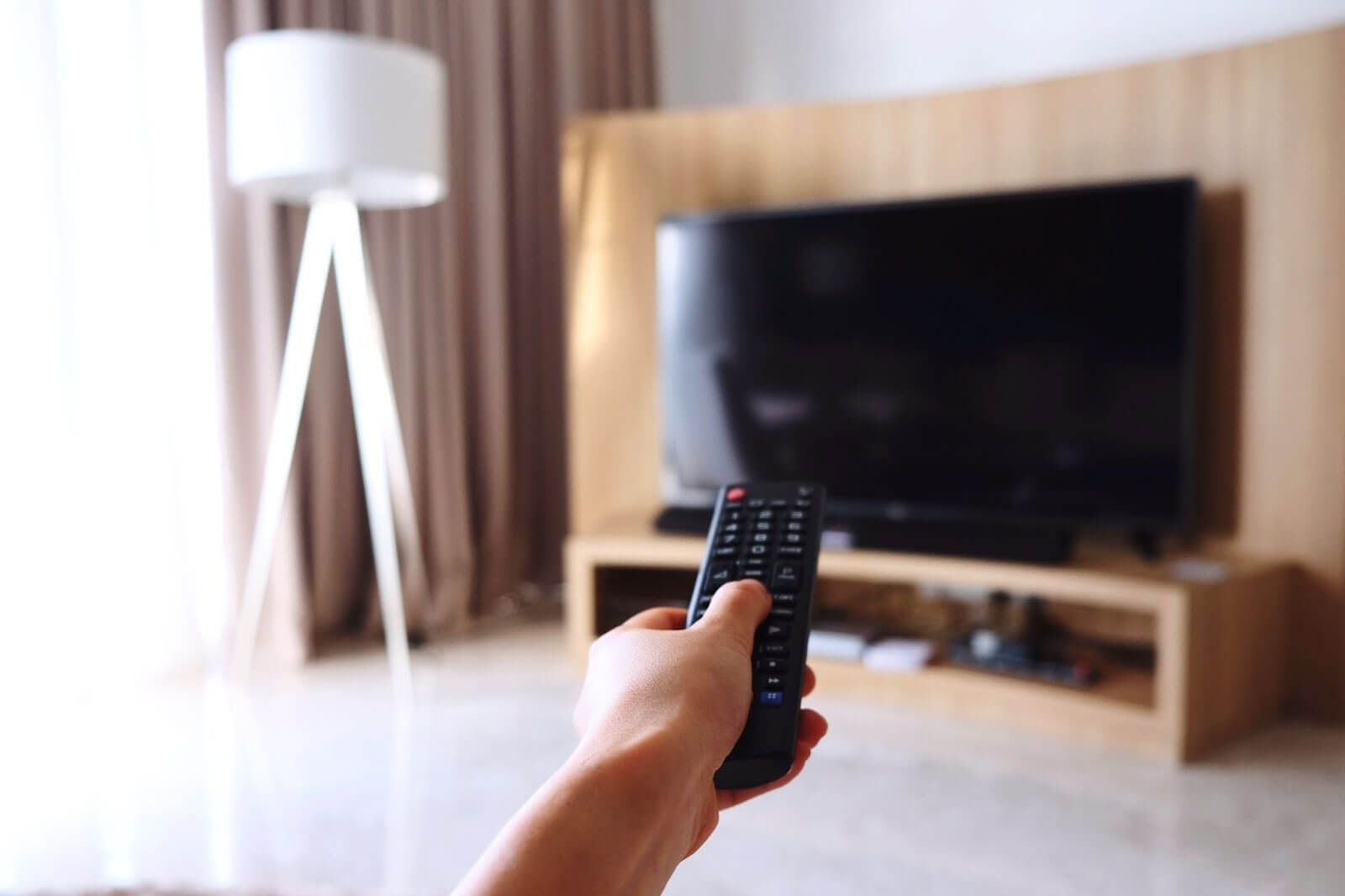
Electric bills have risen unusually high even though no new devices were added, potentially due to familiar household items that quietly consume electricity 24/7 that many people are unaware of. Standby power is the electricity a device consumes while in standby mode, turned off by a remote but not unplugged, or still plugged in to maintain background functions. Many people think turning off with the remote stops consumption, but that is not the case, as many devices continue to operate to maintain memory, receive remote signals, or display LED indicators. According to EVN, standby power consumption per device is usually small when viewed individually, but when summed across a household with different devices, this hidden electricity can account for 5-10% of the total bill each month. Here are six common household devices that frequently draw standby power without people noticing. 1. TV and digital set-top boxes When turned off with the remote, TVs and devices like set-top boxes do not completely cut power but enter standby mode. Internal components such as the power circuit, infrared sensors for the remote, and especially connectivity modules like Wi-Fi or Ethernet on Smart TVs remain active. In addition, the television’s operating system may run background processes to update software or synchronize data, keeping the device consuming electricity 24/7 at around 1–5W, sometimes higher on premium models. 2. Phone chargers and laptops left plugged in Many people habitually leave chargers plugged in even when not in use, and these chargers still draw a small amount of power to stay ready, contributing to higher electricity consumption over time. 3. Desktop computers and laptops in sleep mode Sleep mode speeds up reactivation but keeps RAM and key components powered, continuing to consume energy during periods of inactivity. 4. Microwaves and rice cookers with displays These devices often include electronic clocks, LED displays or touch controls; when plugged in, they require a small power supply to maintain display and control circuitry, even if not in use for cooking. 5. Wi-Fi routers and network devices Many households keep routers on 24/7, even when not actively using the network, leading to continuous, sometimes unnecessary energy consumption. Modems and mesh systems further amplify total standby consumption. 6. Speakers, audio systems, Bluetooth devices Many audio devices do not fully power down; they remain in standby to maintain wireless connections and signal processing, waking up automatically with input signals. While individual device consumption is small, the cumulative effect can impact monthly bills. EVN recommends several simple steps to curb standby power: - Fully unplug devices when not in use for extended periods, instead of merely turning them off with a remote - Use power strips with switches to easily cut power to multiple devices - Avoid charging phones or laptops continuously when not in use - Turn off unnecessary devices at night or when leaving home - Prefer devices with energy-saving labels Small changes in electricity usage habits can significantly reduce monthly consumption. Theo Phuong





Premium gym chains are entering a “golden era” that is ending or already in decline, as rising operating costs collide with shifting consumer preferences toward more flexible, community-based ways to exercise. Long-term memberships are shrinking, margins are pressured by higher rents and facility expenses, and competition from smaller, more personalized…