•
•
•
•
•
•
•
•
•
•
•
•
•
•
•
•
•
•
•
•
•
•
•
•
•
•
•
•
•
•
•
•
•


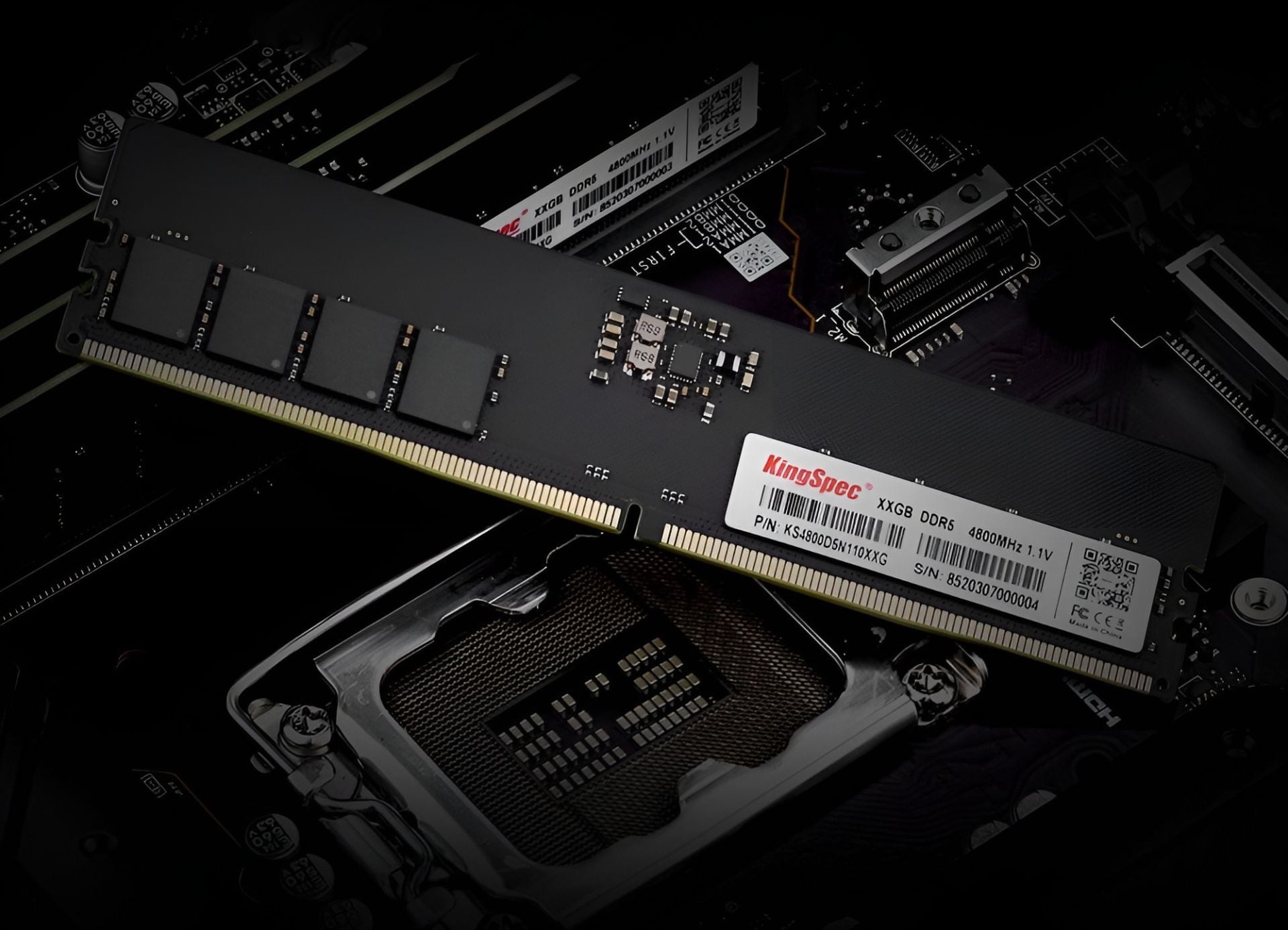
Several months ago, CXMT and other Chinese RAM brands such as KingBank offered global consumers hope for a cheaper memory option as prices climbed. That expectation has now largely collapsed, as recent listings show Chinese DDR5 pricing has moved in line with major global suppliers.
According to the latest product listings on China’s e-commerce platform JD.com, KingBank’s 32GB DDR5 module—using CXMT chips—is advertised at 3,629 yuan, or roughly USD 530.
The price is described as almost on par with DDR5 products of the same capacity from Samsung, SK Hynix, or Micron on Western markets. The gap that had been viewed as a competitive advantage for Chinese RAM has narrowed significantly.
For example, the 64GB DDR5-6000 configuration from this brand is reported to have exceeded USD 1,000, further indicating that Chinese DDR5 is no longer priced as a clear discount versus global peers.
The article points to a broader industry factor shaping pricing across the semiconductor supply chain: memory shortages driven by AI data centers. As technology companies invest tens of billions into AI infrastructure, demand for RAM—particularly high-end HBM memory—has surged.
In that environment, manufacturers are said to have less incentive to prioritize the consumer segment, where profit per module sold to gamers is not competitive with the pricing enterprise AI customers are willing to pay.
CXMT is also reallocating capacity. The company is reported to be shifting about 60,000 wafers per month at its Shanghai plant toward HBM3 production for AI servers. With the largest RAM producer in China not focusing on consumer pricing, the prospect of consistently cheap RAM has become more distant.
The global pricing picture is not described as improving. Data from DRAMeXchange shows that the average contracted price of DDR4 PC DRAM 8Gb reached $11.50 by the end of January 2026.
In this context, the article notes that no producer—whether Korean, American, or Chinese—has a clear reason to discount products for ordinary consumers.
Despite DDR5 prices aligning with global levels, CXMT is attempting to keep a “faint hope” of cheaper RAM alive by pursuing a different approach in DDR4, the older generation still used widely in PCs, TVs, and mobile devices.
Industry sources cited in the article say CXMT is offering DDR4 at prices roughly half the market price. However, the number of low-priced units may be limited, as many speculate it may reflect remaining inventory.
The article also references CXMT’s decision to cut DDR4 RAM production to 10,000 wafers per month, redeploying capacity to DDR5 and other higher-end products.
By Nguyen Hai




Premium gym chains are entering a “golden era” that is ending or already in decline, as rising operating costs collide with shifting consumer preferences toward more flexible, community-based ways to exercise. Long-term memberships are shrinking, margins are pressured by higher rents and facility expenses, and competition from smaller, more personalized…