•
•
•
•
•
•
•
•
•
•
•
•
•
•
•
•
•
•
•
•
•
•
•
•
•
•
•
•
•
•
•
•
•


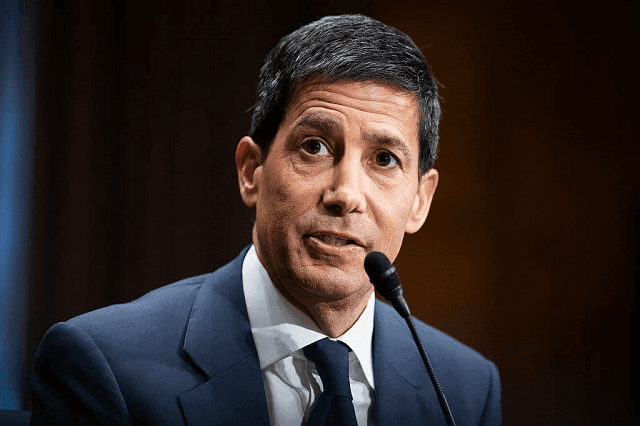
Kevin Warsh, President Donald Trump’s nominee for Federal Reserve chair, says he wants to change how inflation is measured. In response, Aditya Bhave, an economist at Bank of America, warned on April 22 that shifting the methodology could produce results that are not as favorable—or as straightforward for policy—as supporters expect.
For years, the Fed has emphasized the core Personal Consumption Expenditures price index (core PCE), which excludes volatile components such as food and energy. Warsh said he would go further by removing extreme price shocks when calculating overall inflation.
During a Senate hearing on April 21, Warsh said: “What I care about most is how much underlying inflation there really is, not the temporary volatility from geopolitical events or beef prices.” He added: “I favor measures called trimmed averages. We remove extreme factors, one-off shocks, to see whether the underlying price trend is having a ripple effect on the economy.”
Under Warsh’s approach, inflation currently appears “soft.” Bank of America estimates the 12-month inflation rate using this method at an average of 2.3% and a median of 2.8% through February, which is below the 3% rate implied by core PCE. Warsh characterized the current trend as “quite favorable.”
Bhave cautioned that changing the measurement approach could increase the influence of energy and food prices—components that are already excluded from core PCE—on Fed policy decisions.
He said: “Even if large shocks are removed, they can still push the average up by making smaller shocks not removed.” He described this as “ironic” because Warsh also argues that temporary price shocks from the supply side should be ignored.
In other words, if only the most extreme fluctuations are removed, smaller increases—potentially including those tied to food and energy—could still enter the index. That could leave inflation under the new method higher than the Fed’s current measure.
Bank of America’s data indicates this outcome has occurred before. Its trimmed inflation indicator ran higher than core PCE in 2019–2020. Bhave said that if the Fed had applied that method at the time, it might have pursued tighter policy.
If, in the future, inflation under the trimmed method remains higher than core PCE, Bhave suggested Warsh could be constrained in how much he can adjust his stance—effectively narrowing policy space.
Bhave said: “To preserve credibility and avoid being seen as 'cherry-picking data', Warsh will have to stick to his preferred indicators even if they are higher than current measures.”
Observers have said Warsh may steer the Fed to align more closely with President Trump’s preferences than with broader economic interests. In the April 21 hearing, Warsh rejected the idea of cutting rates simply at the President’s request, but he faced questions about personal assets and independence from the White House.






Premium gym chains are entering a “golden era” that is ending or already in decline, as rising operating costs collide with shifting consumer preferences toward more flexible, community-based ways to exercise. Long-term memberships are shrinking, margins are pressured by higher rents and facility expenses, and competition from smaller, more personalized…