•
•
•
•
•
•
•
•
•
•
•
•
•
•
•
•
•
•
•
•
•
•
•
•
•
•
•
•
•
•
•
•
•


Bitcoin has rebounded over the past few weeks after a series of market developments that have left traders recalibrating their expectations for U.S. monetary policy and the regulatory outlook for crypto.
Bitcoin’s price has risen about 30% since it hit a recent low of $60,000 per bitcoin in February. The move has been supported by commentary from a former Federal Reserve chair that issued a surprise hyperinflation warning.
More recently, traders have focused on the U.S. Department of Justice dropping its criminal investigation into outgoing Federal Reserve chair Jerome Powell. The development has coincided with renewed momentum in bitcoin, with the price jumping about 30% to push toward $80,000 per bitcoin.
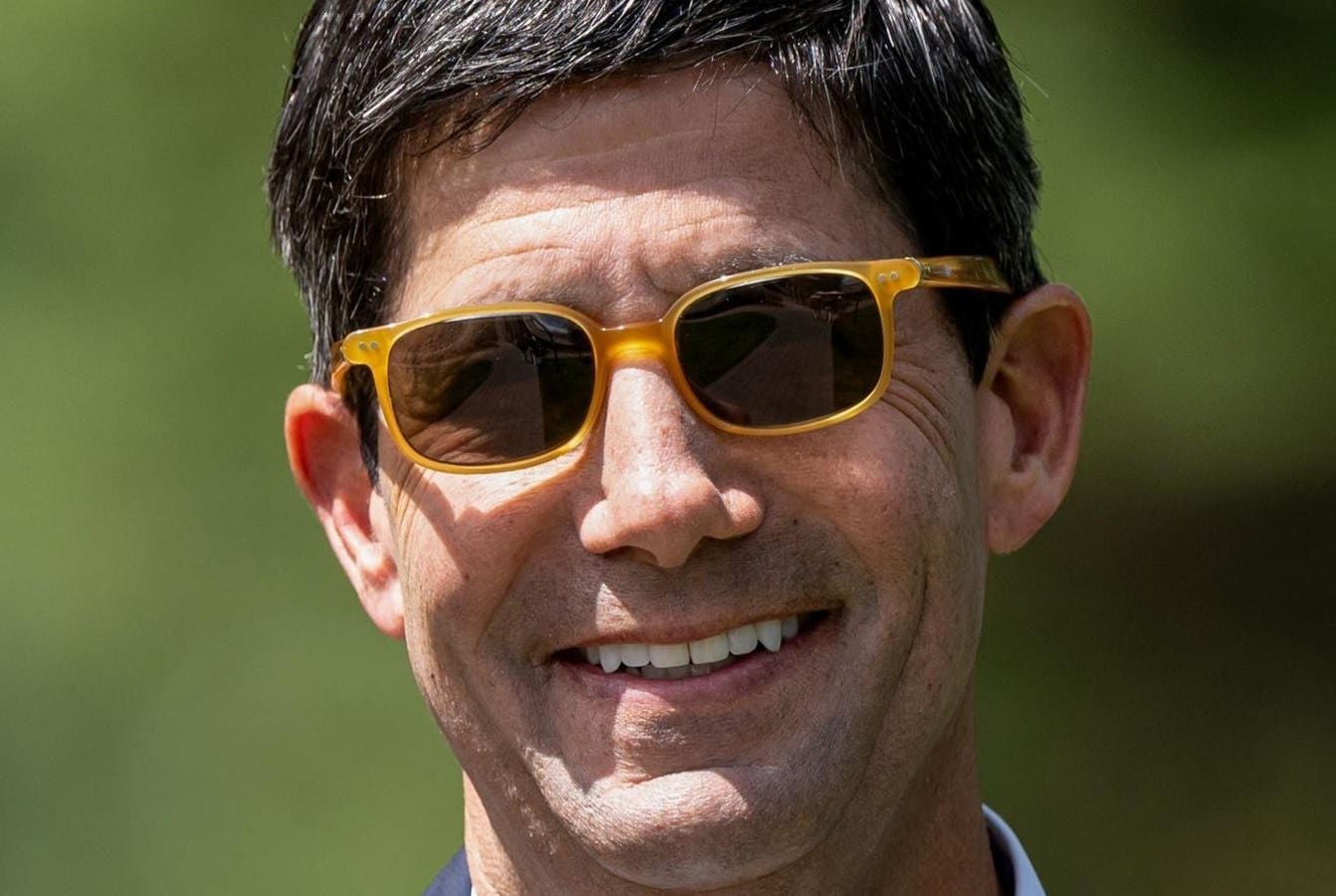
Market participants are also positioning ahead of the confirmation hearing for incoming Fed chair Kevin Warsh.
Matt Mena, Senior Crypto Research Strategist at 21shares, said Warsh’s appointment would represent a “historic shift” for the digital asset industry because he would be the first Federal Reserve chair with a “deeply established personal and professional history in the digital asset ecosystem.”
In emailed comments, Mena added that a Warsh-led Fed is likely to prioritize “proactive rate cuts” and a “leaner balance sheet,” which he said could create a high-liquidity environment that has historically supported risk assets such as bitcoin.
Mena also tied the outlook to broader macro and geopolitical conditions, stating that if an official end to the conflict in Iran comes soon, Warsh’s ascent could be a catalyst to send bitcoin back to $100,000 in the first half of 2026.
Some market observers linked the Warsh confirmation process to progress on proposed crypto market structure legislation. They pointed to the long-awaited crypto market structure bill known as the Clarity Act, suggesting it could move forward with a Senate banking committee mark-up session.
Zach Pandl, head of research at Grayscale, posted on X that Warsh’s confirmation could help trigger the next steps for the Clarity Act, describing it as “how dominos will fall” for the bill.








Premium gym chains are entering a “golden era” that is ending or already in decline, as rising operating costs collide with shifting consumer preferences toward more flexible, community-based ways to exercise. Long-term memberships are shrinking, margins are pressured by higher rents and facility expenses, and competition from smaller, more personalized…