•
•
•
•
•
•
•
•
•
•
•
•
•
•
•
•
•
•
•
•
•
•
•
•
•
•
•
•
•
•
•
•
•



Federal authorities have transferred approximately $606,000 worth of Bitcoin—8 BTC—connected to the 2016 Bitfinex security breach to Coinbase Prime Custody, according to on-chain records. The transaction was traced to cryptocurrency stolen during the incident and linked to Ilya Lichtenstein, who orchestrated one of the earliest major exchange compromises in the digital currency industry.
Arkham, a blockchain intelligence provider, detected and reported the movement, noting that the 8 BTC originated from the Bitfinex hacker Ilya Lichtenstein. The transfer has prompted typical market speculation that government-held crypto could be liquidated after moving to a trading platform.
In this case, however, the article says the situation differs because legal requirements mandate the coins be restored to Bitfinex in-kind rather than converted to cash.
The transfer is described as the third movement from government wallets, following similar transfers documented on March 3 and April 10, each tied to separate cryptocurrency enforcement actions.
On August 2, 2016, Lichtenstein exploited a security flaw in Bitfinex’s multi-signature wallet infrastructure. By fraudulently authorizing more than 2,000 transactions, he diverted 119,756 Bitcoin into a wallet under his control.
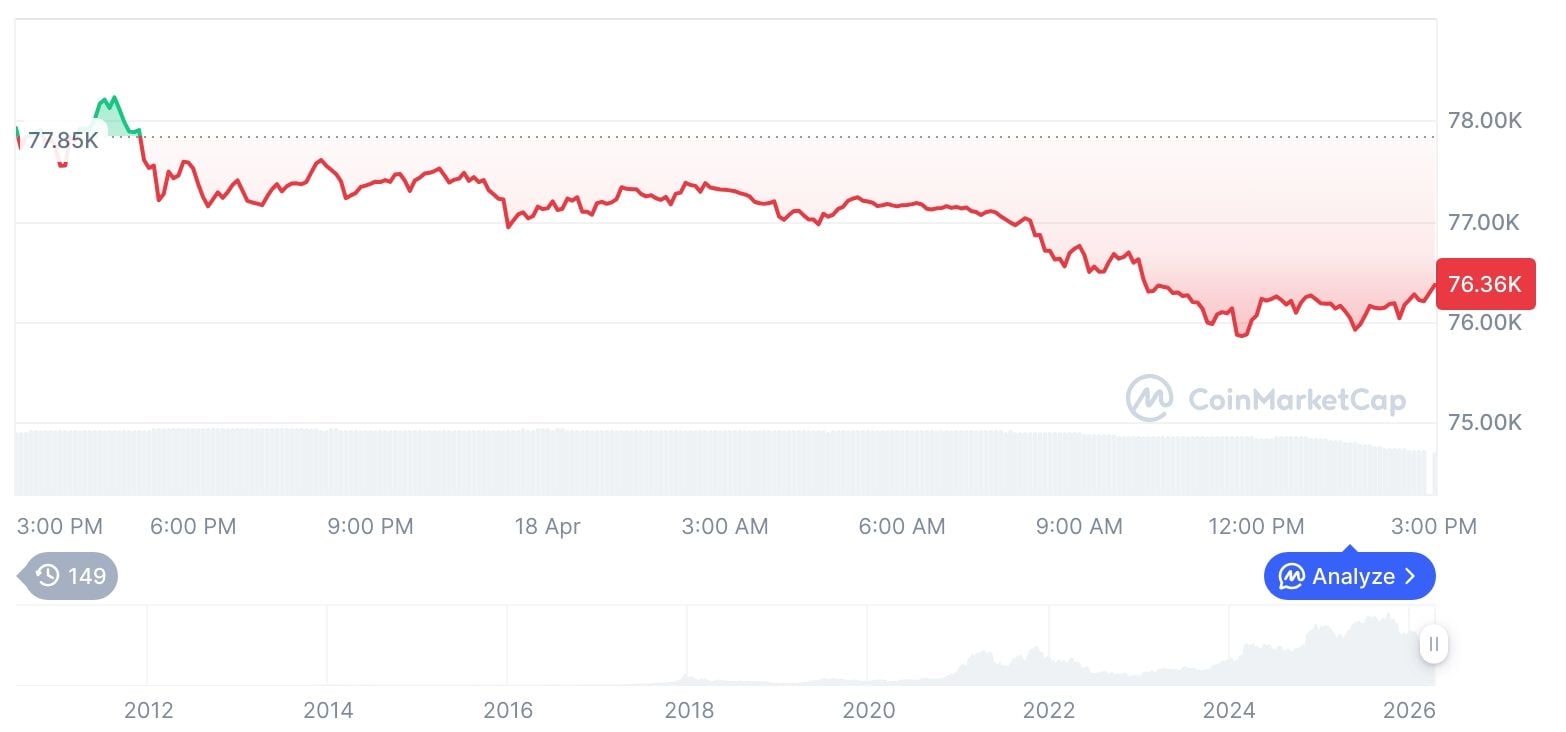
The stolen Bitcoin was valued at about $72 million at the time of the breach. With current prices around $74,000 per unit, the same quantity is now valued at roughly $8.9 billion.
After the breach, Lichtenstein worked with his spouse, Heather Morgan, on a five-year effort to obscure the funds’ origins. The article says their methods included cryptocurrency mixing services, darknet marketplace transactions, cross-chain transfers, and purchases of physical gold.
In February 2022, FBI investigators decrypted archived files in Lichtenstein’s cloud storage. The breakthrough reportedly revealed a spreadsheet listing more than 2,000 private cryptographic keys, enabling law enforcement access to virtually all stolen assets. Authorities ultimately seized approximately 94,636 Bitcoin, which the article says was worth $3.6 billion at that time.
Early in 2025, federal judicial proceedings determined that confiscated coins must be returned in-kind to Bitfinex. The article states that government agencies are not authorized to liquidate the cryptocurrency and redirect proceeds to federal coffers.
Bitfinex has outlined how it will handle returned assets, including redeeming all outstanding Recovery Right Tokens issued to account holders who suffered losses during the breach.
The article also says that at least 80% of any surplus net proceeds will be used to repurchase and permanently remove its UNUS SED LEO token from circulation, consistent with obligations described in the platform’s whitepaper.
Lichtenstein received a five-year federal prison sentence in November 2024, while Morgan was sentenced to 18 months. The article adds that Lichtenstein was released in January 2026 under provisions of the First Step Act and publicly thanked President Donald Trump on the X platform after his release.
Federal authorities currently hold 328,361 Bitcoin across various government wallets, the article says, valued at approximately $24 billion. It also reports additional holdings of roughly $146 million in Ethereum and a range of alternative cryptocurrencies.
The article notes that government officials previously said confiscated Bitcoin reserves would be used to help establish a national strategic Bitcoin reserve program.

Premium gym chains are entering a “golden era” that is ending or already in decline, as rising operating costs collide with shifting consumer preferences toward more flexible, community-based ways to exercise. Long-term memberships are shrinking, margins are pressured by higher rents and facility expenses, and competition from smaller, more personalized…