•
•
•
•
•
•
•
•
•
•
•
•
•
•
•
•
•
•
•
•
•
•
•
•
•
•
•
•
•
•
•
•
•


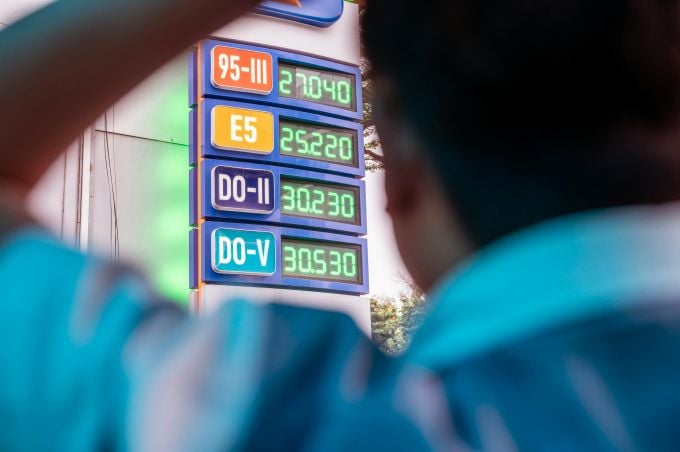
From March 9, MFN import taxes on many types of gasoline and fuels and blending inputs (naphtha, reformate, condensate, etc.) were reduced from 7–10% to 0%. The provision is set to expire on April 30.
The Ministry proposes extending this tax relief through June 30. The drafting agency also recommends expanding the list of items eligible for the 0% rate (instead of the current 5%) to three input codes to support production at the Nghi Son refinery.
Businesses are currently required to negotiate shipments for May and June. The Ministry said this makes it difficult for companies to plan imports, sign contracts, and stabilize production amid the Middle East conflict, whose end date cannot be determined.
The drafting agency noted that when MFN 0% was applied from early March, companies were able to access alternative sources as supply chains in traditional markets such as Korea and ASEAN were disrupted by the military conflict. This helped ensure domestic supply for domestic demand, contributing to stabilizing the petrol market and the macroeconomy.
However, the Middle East military conflict remains complex and unpredictable. According to Petrolimex and BSR, even if the conflict ends, Middle East oil and gas infrastructure would need at least 5–7 weeks to resume capacity. The Ministry warned that if MFN 0% were suspended for fuels and inputs from the end of April, shortages could return.
The Ministry estimates that extending the tax policy by two months will reduce state revenue by about 997 billion dong, bringing the total revenue reduction since implementation to 2,021 billion.
Beyond import tax exemptions, other taxes on fuels—environmental tax, value-added tax (VAT), and excise duty—have also been reduced to 0% through the end of June, according to the Parliament’s resolution.
Current prices per liter are 23,760 dong for RON 95-III (the most common grade) and 31,040 dong for diesel. These levels are up nearly 18% and 61%, respectively, compared with the end of February when the Middle East conflict escalated.
According to data from the General Department of Customs (Ministry of Finance), in the first quarter Vietnam spent nearly USD 3 billion on imports of fuel products, up 78% year-on-year.



Premium gym chains are entering a “golden era” that is ending or already in decline, as rising operating costs collide with shifting consumer preferences toward more flexible, community-based ways to exercise. Long-term memberships are shrinking, margins are pressured by higher rents and facility expenses, and competition from smaller, more personalized…



