•
•
•
•
•
•
•
•
•
•
•
•
•
•
•
•
•
•
•
•
•
•
•
•
•
•
•
•
•
•
•
•
•


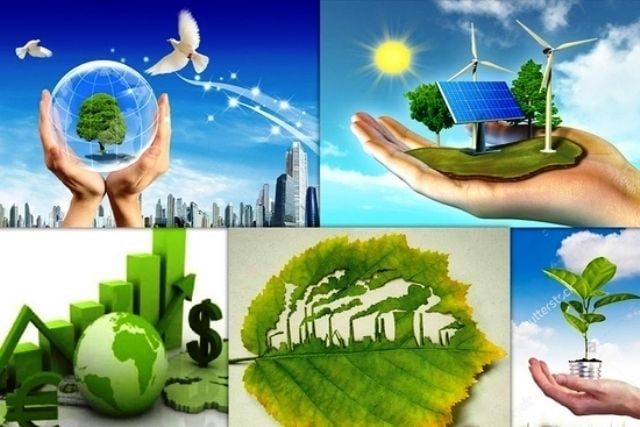
Vietnam is at a pivotal development stage as global trends—digital transformation, the green transition, the circular economy, and stricter carbon market standards—are reshaping the rules of international trade. Speaking at a workshop on 17 April 2026, Deputy Minister of Agriculture and Rural Development Le Cong Thanh said the draft amendment to the Environmental Protection Law is intended to create both opportunities for advancement and responses to significant challenges.
The draft amendment focuses on five strategic directions.
First: substantive reform of administrative procedures and strengthened decentralization. The draft aims to simplify and improve transparency for procedures such as environmental impact assessment (EIA) and environmental permits, with the goal of minimizing compliance costs for enterprises. Any loosening, the deputy minister said, would be paired with post-inspection oversight and clear responsibilities across levels and sectors, including three core elements: tools, forces, and processes.
Second: rethink waste management by moving from “waste disposal” to treating waste as a “resource.” The objective is to build a legal framework that supports the environmental industry and promotes the circular economy.
Third: lead in digital transformation by building a synchronized, open, and transparent environmental data ecosystem to serve regulators, citizens, and the business community.
Fourth: shift from “reactive remediation” to “proactive prevention.” The draft calls for stronger forecasting and early warning capabilities and tighter control of emissions at the source amid rapid urbanization and industrialization.
Fifth: operate economic instruments effectively, especially market mechanisms such as a carbon market, to turn environmental protection and climate resilience into economic drivers. This is intended to motivate enterprises to adopt new technologies and improve competitiveness.
Deputy Director Nguyen Hung Thinh said the draft centers on four main content groups: simplifying administrative procedures; intensifying decentralization and delegation; implementing digital transformation and green transitions in waste management while promoting recycling and reuse; and developing a circular economy and managing environmental quality and related socio-economic aspects, including addressing climate change and developing the environmental industry.
The draft revises the EIA process to improve the investment climate while maintaining targeted environmental controls during project planning.
Key changes include reducing the scope of EIA by moving toward Environmental Registration, simplifying the appraisal process, and expanding local delegation. EIA subjects would focus on high-risk pollution projects and projects using land in nature reserves, biosphere reserves, or natural heritage areas. Other projects would be handled through Environmental Registration for more than 90% of investment projects.
On licensing and operations, the draft reduces the number of activities requiring environmental permits and simplifies permit processes. It also removes the requirement for trial operation of waste treatment facilities after permits, aiming to reduce costs and compliance time. The approach shifts from ex-ante oversight to ex-post oversight, with strengthened inspection and sanctions.
The draft also emphasizes that enterprises will be granted proactive rights but must take full responsibility for meeting standards before discharging and for environmental protections from the start of operation, to enhance governance effectiveness.
Other provisions address waste management, including regulations on using recycled waste as inputs or materials and expanded producer responsibility for collection and recycling.
The draft also introduces a waste management tax instead of financial contributions to an environmental protection fund for products and packaging that are non-recyclable, with the aim of accelerating domestic recycling systems.
In addition, the draft revises green economy and circular economy provisions under the 2020 Environmental Protection Law to reflect party policy on green growth and the circular economy.
At the workshop, experts and enterprises contributed ideas on core issues including EIA, environmental criteria, environmental permits, and monitoring. There was broad agreement on continuing to reform administrative procedures—particularly EIA and environmental permitting—to ensure substantive control and effective screening of projects with high environmental risk.
Proposals were also presented to adjust environmental criteria and reduce the objects required to implement EIA. Plans to monitor the implementation of environmental protection policies and laws were discussed, alongside broader shifts in environmental thinking.
In this context, the policy shift from pre-approval to post-approval checks should also consider intelligent, real-time monitoring techniques.


Premium gym chains are entering a “golden era” that is ending or already in decline, as rising operating costs collide with shifting consumer preferences toward more flexible, community-based ways to exercise. Long-term memberships are shrinking, margins are pressured by higher rents and facility expenses, and competition from smaller, more personalized…




