•
•
•
•
•
•
•
•
•
•
•
•
•
•
•
•
•
•
•
•
•
•
•
•
•
•
•
•
•
•
•
•
•


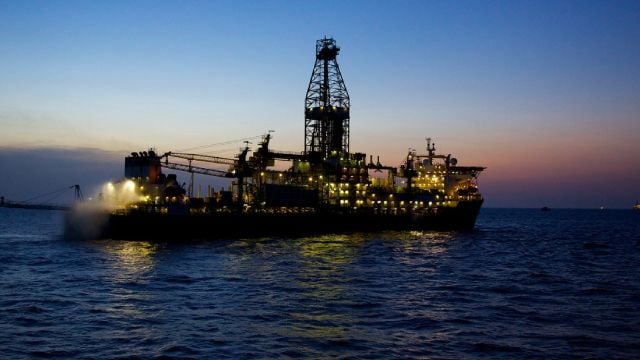
The geopolitical conflict in the Middle East has reduced global oil and natural gas supplies, pushing commodity prices higher. In commodity markets, lower supply typically leads to higher prices, which can translate into larger revenues and earnings for companies that produce energy.
For dividend investors, however, the key risk is that an end to the conflict would likely increase supply and pressure prices downward—reducing energy producers’ earnings and potentially affecting dividend capacity. The focus, therefore, should be on energy companies that have demonstrated they can continue paying shareholders through the full energy cycle.
If the goal is to reduce exposure to commodity price swings, midstream companies are often viewed as a more stable place to look for energy-related income. Midstream firms own and operate energy infrastructure such as pipelines, storage assets, and transportation facilities. Because they typically earn fees for moving and storing energy, the volume flowing through their systems can matter more than the price of the underlying commodity.
Enterprise Products Partners is a master limited partnership with a track record of increasing its distribution for 27 consecutive years. The company is positioned in North America and operates away from Middle East tensions.
Enbridge has increased its dividend, in Canadian dollars, for 31 years. Like Enterprise, it is described as a reliable income option within the midstream niche.
Enterprise’s distribution yield is cited at about 5.7%, while Enbridge’s dividend yield is cited at about 5.4%. While neither is presented as a fast-growing business, both are positioned as high-yield, long-term income options in a sector that can be volatile.
Investors seeking more direct exposure to oil and natural gas may prefer integrated energy companies such as ExxonMobil and Chevron. One cited advantage is financial strength, which can provide flexibility during energy downturns.
The article notes that rock-solid balance sheets can give Exxon and Chevron room to take on debt during downturns, helping them continue supporting their businesses and dividends until commodity prices recover. It also states that both companies have increased dividends annually for decades despite sector volatility.
Another cited benefit is the integrated business model. Exxon and Chevron have exposure across the full energy value chain and globally diversified portfolios. Different segments and regions can perform differently through the cycle, which the article says may limit upside during strong periods but can soften declines when oil and gas prices fall.
For long-term dividend investors, the article frames this as a reason to consider Exxon’s cited 2.7% yield and Chevron’s cited 3.8% yield.
Oil and natural gas remain important to the global economy, and most investors may want some energy exposure. Still, dividend investors are urged to be cautious because the sector is commodity-driven and inherently volatile. The article recommends focusing on high-yield companies—Enterprise, Enbridge, Exxon, and Chevron—that have demonstrated an ability to pay shareholders through both favorable and unfavorable periods.
Premium gym chains are entering a “golden era” that is ending or already in decline, as rising operating costs collide with shifting consumer preferences toward more flexible, community-based ways to exercise. Long-term memberships are shrinking, margins are pressured by higher rents and facility expenses, and competition from smaller, more personalized…