•
•
•
•
•
•
•
•
•
•
•
•
•
•
•
•
•
•
•
•
•
•
•
•
•
•
•
•
•
•
•
•
•


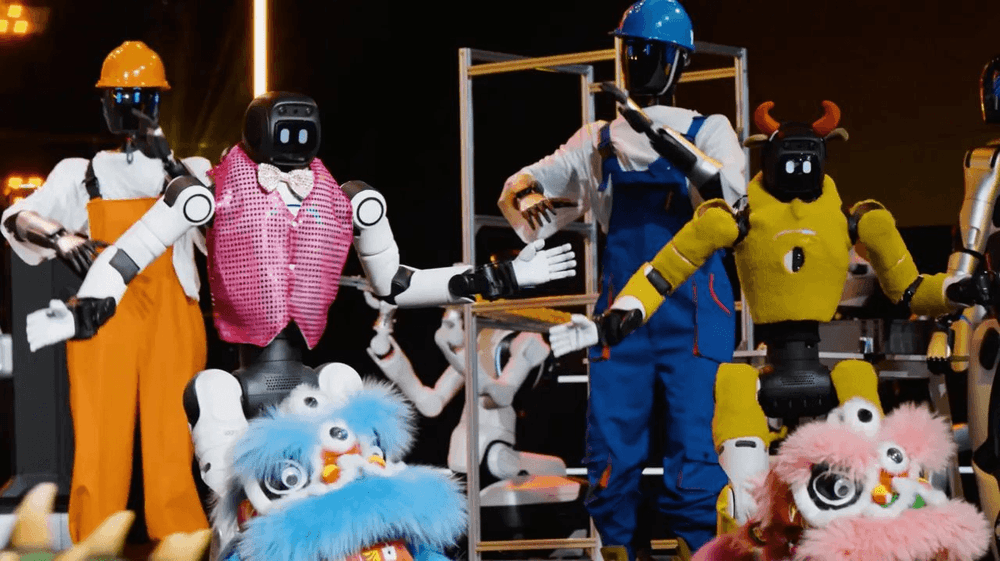
China’s robot-rental sector is drawing fresh capital and accelerating demand, but the industry is also grappling with falling rental prices, high operating costs, and limited long-term demand. While major platforms and e-commerce giants have expanded offerings, many smaller operators are facing liquidity pressure and difficulty reaching break-even.
In March 2026, the robot-rental platform Qingtianzu completed what Sina Tech described as the largest single fundraising round in the sector. Major players including JD.com and Wanji Yizu also moved into robot rental. By early April 2026, about 153,000 enterprises were active in robot rental in China.
Since the 2026 Lunar New Year, demand has grown quickly. Qingtianzu reported that orders on its platform during the holiday period (day 1 to day 7) rose nearly 70% versus the previous month, and total holiday orders exceeded 5,000.
Sina Tech said the market’s momentum accelerated after 2025, when robot rental saw explosive demand and attracted many small and mid-sized enterprises. Qichacha data cited in the article show that in 2025 China registered 38,200 new companies in the category, up 55.7% year-on-year and reaching a ten-year high in new registrations.
After Zhiyuan Robotics helped establish the Qingtianzu rental platform in late December 2025, JD.com joined quickly. JD.com’s self-operated robot rental service covers a catalog including embodied AI robots, dog robots, and robotic frames. Platforms such as Wanji Yizu and Jishizu also entered the market.
JD.com data indicated that revenue from the robot-rental segment in January 2026 rose by more than 100% month-on-month. Orders during the Lunar New Year increased by 130% overall.
Qingtianzu CEO Li Yireng said corporate and individual customers are increasingly trying robot rental. He noted that core applications are still dominated by entertainment and commercial display, while large-scale project opportunities include world robot exhibitions and robot competitions. He also pointed to emerging needs for dog robots, such as patrols in tech parks or security checks, including operational use cases like moving between floors during construction.
Despite the upbeat demand picture, the article highlights a “volume up, price down” dynamic. Rental prices have fallen sharply—from around 30,000 yuan per day in the early days to about 3,000 yuan, with some basic models dropping below 1,000 yuan.
Surveys across platforms cited in the article suggest popular rental models are mainly humanoid robots from Unitree and Zhiyuan Robotics, alongside dog robots. The Unitree G1 rents for about 2,500–3,500 yuan per day, the Unitree U2 dancing model around 4,000 yuan per day, and dog robots at roughly 400–500 yuan per day.
An executive at a Hangzhou-based robot-rental firm said the influx of participants has thinned pure rental profits, with daily rents often used to attract customers and boost order volumes, while real profits are expected to come from value-added services.
Operating and maintenance costs remain high, and the industry’s common model is described as “one robot, one technician.” While one operator can manage multiple robots at large events, labor costs for skilled technicians, along with logistics and maintenance, weigh on cash flow—especially for small and mid-sized firms.
The article also notes that durable demand has not yet formed. By late 2025, in Shenzhen’s Hoa Cuong North—described as a former hub for robot rental—more than 90% of rental stalls had withdrawn. Another Hangzhou-based rental executive said orders are concentrated in promotional activities, commercial events, and mall year-end celebrations, creating seasonal demand swings. They added that reaching break-even is difficult, with robots often idle in slower months such as March–April or July–August.
To address these bottlenecks, the article says platform-based operation is emerging as a key approach. Leading firms are seeking sustainable monetization by integrating upstream production resources with downstream service networks to enable nationwide service delivery.
Li Leping, co-chairman of Qingtianzu and city-partner strategy director, said large-scale robot adoption depends less on individual projects and more on a nationwide service network that can operate continuously. He added that the priority is building a platform capable of running that network.
Qingtianzu’s platform-sharing and orchestration model, according to the article, has shortened order completion time from three days to one hour, reduced service costs, and standardized storefronts to help shift robot sales toward a sustainable service model.
On the current price-volume correction, Li Yirong characterized it as a healthy market adjustment. He said early high-period rental prices reflected information asymmetry, and that the correction accompanying surging orders indicates a stable industry trajectory. He also said the industry is unlikely to enter a destructive price war because robot rental pricing must cover R&D, service delivery, and asset management costs. He expects prices to hover around a healthy range of about 5,000 yuan per day, depending on quantity, variety, and hours worked.






Premium gym chains are entering a “golden era” that is ending or already in decline, as rising operating costs collide with shifting consumer preferences toward more flexible, community-based ways to exercise. Long-term memberships are shrinking, margins are pressured by higher rents and facility expenses, and competition from smaller, more personalized…




