•
•
•
•
•
•
•
•
•
•
•
•
•
•
•
•
•
•
•
•
•
•
•
•
•
•
•
•
•
•
•
•
•


Consumer prices in April 2026 rose across most categories, with the consumer price index (CPI) increasing 0.84% month-on-month, up 3.31% from December 2025, and up 5.46% year-on-year, according to data from the General Statistics Office and the Ministry of Finance. On a four-month average basis in 2026, CPI rose 3.99% year-on-year.
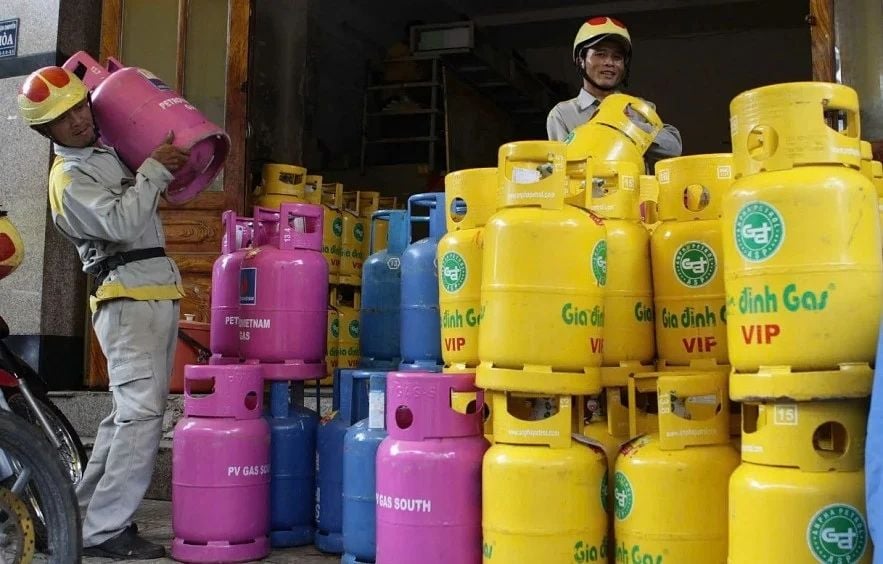
In April, 10 groups of goods and services recorded price increases. The largest contribution came from the housing, electricity, water, fuels and construction materials group, which rose 2.59% and contributed 0.59 percentage points to the overall CPI increase. The main driver was gas prices, which climbed 35.3%. Other increases within the group included kerosene (+26.95%), environmental sanitation services (+4.28%), and home maintenance materials (+4.11%).
The food and food services group rose 0.58%, contributing 0.21 percentage points to the overall CPI. Eating-out services were a notable contributor, rising 1.94%.
Other groups also increased, including beverages and tobacco (+0.85%), household equipment and furnishings (+0.78%), and culture, entertainment and travel (+0.63%).
Despite the broad pattern of price increases, the transport group was the only category with prices falling in April, down 0.81% and contributing a 0.08 percentage point decrease to the overall CPI.
The main reason was a decline in gasoline prices, which fell 3.19% following a global drop in fuel prices. However, some transport-related costs still rose, including diesel (+18.55%), public transport services (+12.43%), and vehicle maintenance fees (+1.35%).
Core inflation rose 0.88% month-on-month and 4.66% year-on-year in April, according to the General Statistics Office. Over the first four months of 2026, core inflation increased 3.89% year-on-year, lower than the 3.99% rise in overall CPI because core inflation excludes fluctuations in fuel, gas and food.
Gold prices moved in line with global trends. As of April 28, 2026, world gold prices averaged 4,761.71 USD per ounce, down 2.4% from March 2026. In April, global gold prices declined due to profit-taking after a period of strong gains. Domestically, the gold price index fell 6.71% month-on-month, mainly because domestic traders adjusted gold prices downward in line with world prices.
Compared with the same period last year, the gold price index rose 54.24%; compared with December 2025, it was up 10.83%. For the first four months of 2026, the gold price index increased 75.13%.
The domestic U.S. dollar index moved in the opposite direction to world gold prices. As of April 27, 2026, the international USD index averaged 98.63 points in April, down 0.73% from the previous month as trade tensions escalated and markets expected the Federal Reserve to cut interest rates in the latter half of 2026.
Domestically, the average exchange rate of the U.S. dollar on the free market hovered around 26,360 VND/USD. The USD price index in April rose 0.17% month-on-month, up 1.44% year-on-year, and down 0.31% from December 2025. Averaged over the first four months of 2026, the USD price index rose 2.29%.

Premium gym chains are entering a “golden era” that is ending or already in decline, as rising operating costs collide with shifting consumer preferences toward more flexible, community-based ways to exercise. Long-term memberships are shrinking, margins are pressured by higher rents and facility expenses, and competition from smaller, more personalized…