Shares of Wheaton
Precious Metals (WPM) have risen by more than 75% over the past year. However, they have also experienced a huge 30% decline in between. Investors need to understand both the company's business model and what is going on in the world before stepping aboard this precious metals stock.
What does Wheaton Precious Metals do?
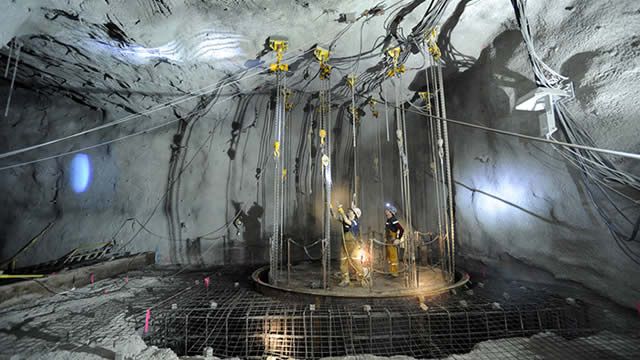
Wheaton gives miners money up front in exchange for the right to buy
gold,
silver, and other metals at reduced prices in the future. The miners use the payment to invest in their businesses. The reduced prices that Wheaton pays for precious metals lock in profits, since it essentially turns around and sells them at a higher market rate. It is a win-win deal, as money from Wheaton allows the miners to avoid over-leveraging their balance sheets.
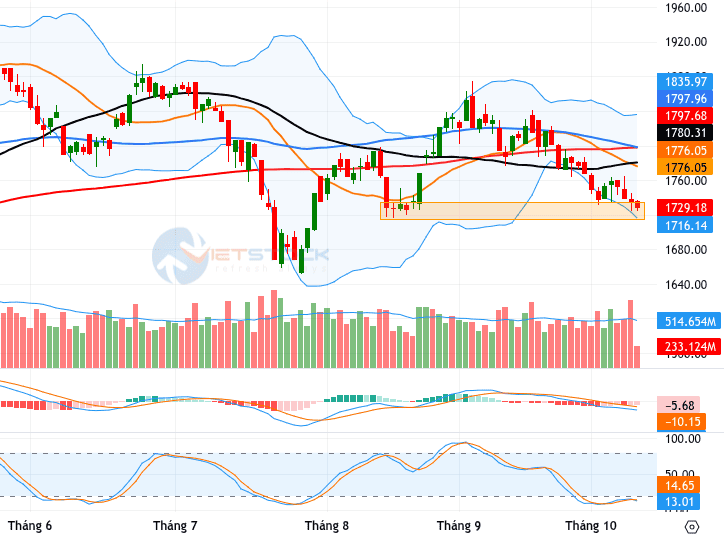
The key driver of Wheaton's financial results is going to be the prices of gold and silver. Geopolitical and economic concerns among investors have been pushing the prices of precious metals higher for a while, with both gold and silver hitting all-time highs in early 2026. The problem is that some Wall Street watchers are worried that the advance has turned into a speculative bubble.
Buy the news and sell the event?
The risk that precious metals are in a bubble is highlighted by the drop in gold and silver prices that followed the flare-up of geopolitical tensions in the Middle East. Silver was particularly hard hit, which was a big drag on Wheaton Precious Metals because it is heavily focused on that metal. Given the conflict, a rise in the value of stores of wealth like gold and silver seemed as if it should have been the more likely outcome.
In the end, Wheaton Precious Metals is definitely being impacted by rising geopolitical tensions. And it remains an attractive way to add precious metals exposure to a diversified investment portfolio if that's what you want to do. However, historical expectations for this investment may not hold in the current environment, given the steep run-up in silver and gold prices over the last few years. Extra caution may be warranted.