•
•
•
•
•
•
•
•
•
•
•
•
•
•
•
•
•
•
•
•
•
•
•
•
•
•
•
•
•
•
•
•
•


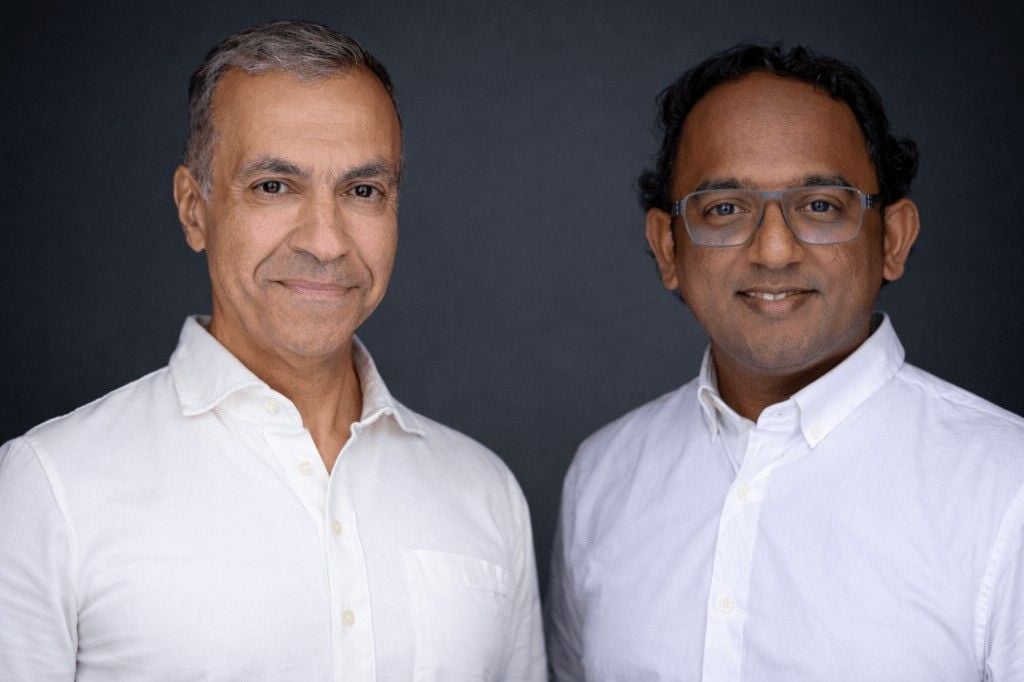
As AI is used more widely to write software, businesses are facing an unexpected challenge: the volume of code being produced is rising faster than human teams can review it. Senior engineers increasingly spend time debugging AI-generated code before products can reach the market, rather than focusing on higher-value work. This problem is often described as “code overload,” and it can create delays and additional integration and testing burdens.
The rapid increase in AI-generated software is creating a bottleneck in quality assurance. In practice, more code means more tests to write, more integration issues to handle, and more review work for engineering teams—especially when changes must be merged and validated frequently to keep software stable.
Gitar, a two-year-old startup, says its approach is to address code overload with the same technology driving the code boom. The company has officially launched and is positioning its platform as a way to “authenticate” code—verifying that what is being built is ready for deployment.
Rather than generating code, Gitar provides a subscription-based service that deploys AI agents to perform code-quality checks. The platform includes:
Gitar announced a $9 million funding round led by Venrock, with participation from Sierra Ventures. While the company has been operating for two years, this is its first public unveiling.
Gitar’s CEO, Ali-Reza Adl-Tabatabai, argues that AI-generated code increases downstream workload for teams. He said AI output can result in “more code to review, more tests to write, more integration issues to handle,” and described the company’s mission as ensuring code is safe to deploy.
In the longer term, the CEO said the company aims to reduce the human role in code review. He stated that an “authentication agent” could automatically ensure code is safe for deployment, with human intervention limited to exceptional cases.
Gitar says its differentiation comes from focusing on what happens after code is written. While the broader market includes tools aimed at code generation, Gitar emphasizes that it is built around deployment readiness and the processes required to validate and integrate changes at scale.
The company said the $9 million will be used to expand its engineering team and develop its product. It is also continuing to refine its system for enterprise customers, targeting larger-scale deployments.






Premium gym chains are entering a “golden era” that is ending or already in decline, as rising operating costs collide with shifting consumer preferences toward more flexible, community-based ways to exercise. Long-term memberships are shrinking, margins are pressured by higher rents and facility expenses, and competition from smaller, more personalized…