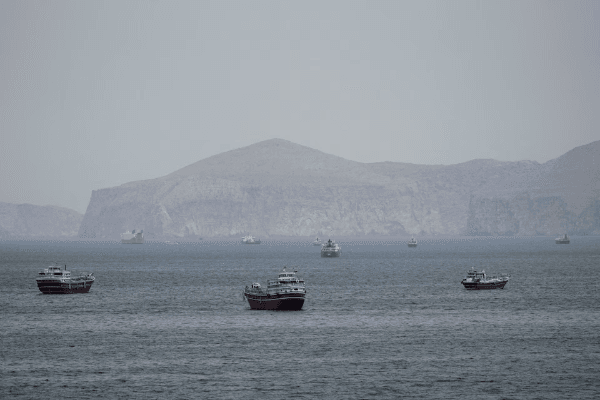
Global economic highlights for the week of April 18-25, 2026 were shaped by continued disruption in the Hormuz Strait and shifting diplomacy between the United States and Iran. Oil prices stayed elevated amid signals of supply disruption tied to stalled negotiations and broader geopolitical tension.
According to the White House, U.S. special envoy Steve Witkoff and Jared Kushner were set to travel to Pakistan on Saturday to take part in direct negotiations with Iranian officials. The announcement followed a separate move earlier in the week: on Tuesday, Trump extended the ceasefire with Iran just before it expired.
On Saturday, however, Trump said he canceled plans to send Witkoff and Kushner to Pakistan. The decision came after Iranian Foreign Minister Abbas Araghchi left Islamabad following discussions with Pakistani officials. In a Truth Social post, Trump said there are “significant internal divisions in Iran” and added that “if they want to negotiate, all they need to do is call.”
Iran’s Foreign Ministry said no U.S.-Iran meeting was planned and that Iran’s position would be conveyed to Pakistan.
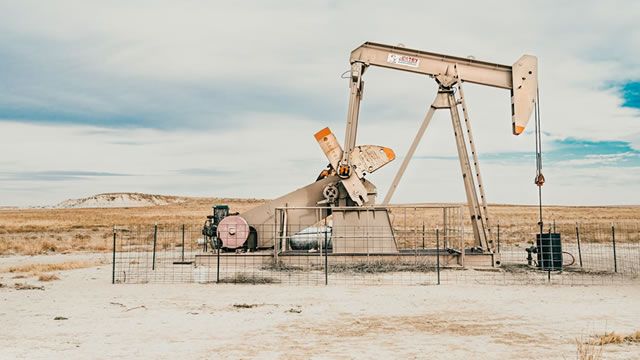
Traffic through the Hormuz Strait remained paralyzed as both the U.S. and Iran maintained a blockade on the energy shipping route. The prolonged standoff helped push crude prices above $105 per barrel at times during the week.
Overall, oil prices rose by more than 15% for the week.
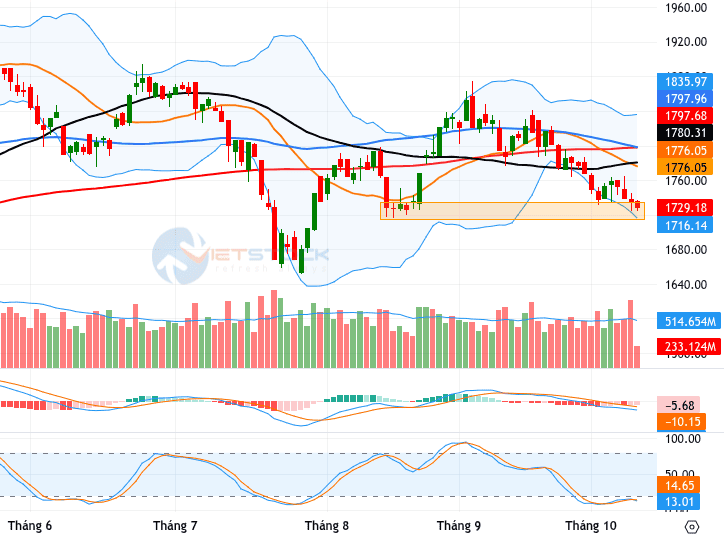
Higher oil prices increased inflation risk and raised the possibility of higher interest rates, contributing to a broad decline in gold. Gold futures fell about 2.5% for the week in New York trading, marking the first weekly decline after four straight gains.
In Europe, tensions between Russia and the EU intensified. The EU agreed on a 90 billion euro loan package for Ukraine after Hungary dropped its veto, and it also imposed new sanctions on Russia.
Separately, Financial Times reported that Russia is considering stopping crude flows from Kazakhstan to Germany via the Druzhba pipeline, which could affect Berlin’s energy supply.
The U.S.-Iran conflict has now spanned eight weeks and has contributed to substantial disruptions in global oil supply. Reuters, citing Kpler data, said that in the first seven weeks of the conflict, flows of crude and condensates to the global market fell by more than 500 million barrels.
Beyond energy, the article noted ongoing concerns related to medical supplies, food security, and broader economic risks.
Countries are pursuing multiple responses to price shocks, including shifting to nuclear energy, importing from farther sources, and acquiring oil from Russia and Iran. March exports from Russia and Iran rose, reflecting diversification efforts, while expanding renewable energy development remains a favored strategy.
The Spring Meetings concluded on April 18, with discussions highlighting war-linked supply risks among the top concerns. Global financial leaders also argued that the U.S. role in shaping international order has changed, and that America is no longer the sole architect of crisis solutions.
Apple announced that Tim Cook will step down as CEO on September 1, 2026, after 15 years in the role. Apple’s market capitalization is reported to exceed $3.9 trillion, a multiple of more than ten since Cook took over in August 2011.
Kevin Warsh, a candidate for Fed chair, testified before the U.S. Senate Banking Committee. The testimony did not commit to rate cuts and signaled a push for reform of the Federal Reserve.
In currency markets, traders reduced positioning for a stronger U.S. dollar, though geopolitical tensions continued to provide some support. The Dollar Index rose by more than 0.4% for the week.
Iran’s war-time economy faces additional strain, including currency declines, high inflation, and slowing growth, which pose ongoing risks to Iran’s economic outlook amid the conflict.