•
•
•
•
•
•
•
•
•
•
•
•
•
•
•
•
•
•
•
•
•
•
•
•
•
•
•
•
•
•
•
•
•
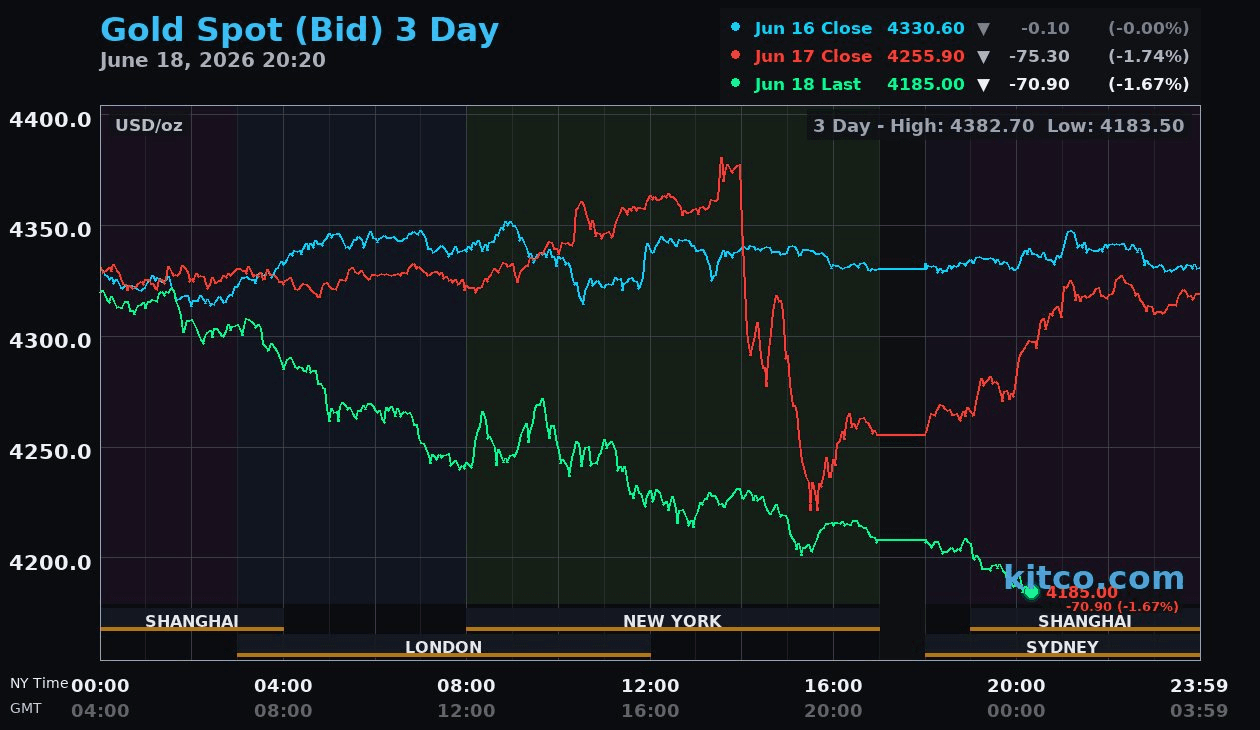
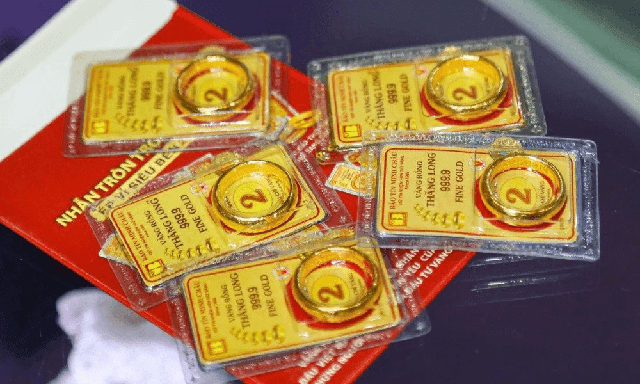
On the morning of June 19, global gold prices fell sharply, slipping below $4,200 per ounce. Gold and silver also declined as the U.S. dollar tested this year’s high and traders adjusted expectations for interest rates.
According to Kitco News, gold dropped and silver fell as the dollar challenged its year high and investors recalibrated rate expectations following signals of higher rates for longer from the Federal Reserve after Wednesday’s policy meeting.
U.S. stocks closed higher on Thursday, partially trimming losses from the previous session after the Fed meeting. The S&P 500 rose 1.1% to 7,500.58, the Nasdaq Composite gained 1.9% to 26,517.93, and the Dow Jones Industrial Average increased 0.1% to 51,564.70. The Russell 2000 rose 2.1% to 2,979.77.
The Fed unanimously kept the target range for the federal funds rate at 3.50%–3.75%. However, the policy statement and updated projections continued to indicate risks of higher rates. The Fed said inflation remains above its 2% target, partly reflecting supply shocks in some sectors, including energy. The updated projections show the federal funds rate at a median of 3.8% in 2026, suggesting the Federal Open Market Committee is not in a rush to cut rates.
Market reaction remained dominated by rates and the dollar. The immediate sell-off reflected a hawkish policy path relative to investor expectations, while the stock rebound on Thursday suggested investors were factoring in lower oil prices as a macro offset ahead of a tighter Fed stance.
In the precious metals complex, positioning appeared more fragile. Gold failed to hold above $4,300 per ounce and then moved toward $4,200 as the dollar strengthened, tightening financial conditions and weighing on non-yielding assets.
The article notes that pricing of rates along the front end of the yield curve remains the clearer driver than growth concerns. It also highlights that any potential short covering in gold and silver would depend heavily on whether the dollar cools or Treasury yields reverse.
The Hormuz Strait remains a key geopolitical conduit for gold, oil, rates and risk assets. The latest developments in U.S.–Iran relations are being priced as a risk-on development rather than a supply shock.
A temporary agreement signed on Wednesday included the immediate resumption of commercial traffic through the strait, along with a 60-day free transit period. The United States is expected to begin easing naval blockades immediately and fully terminate within 30 days.
Even so, normalization of freight flows is described as incomplete. As of June 17, the number of ships transiting the strait remained historically low.
The current market impact is to ease inflationary pressures and support risk appetite. Oil is near its lowest levels since the conflict began, gasoline has fallen below $4 per gallon, and stock markets have recovered. At the same time, demand for gold as a safe haven has weakened as investors refocus on the dollar and real yields.
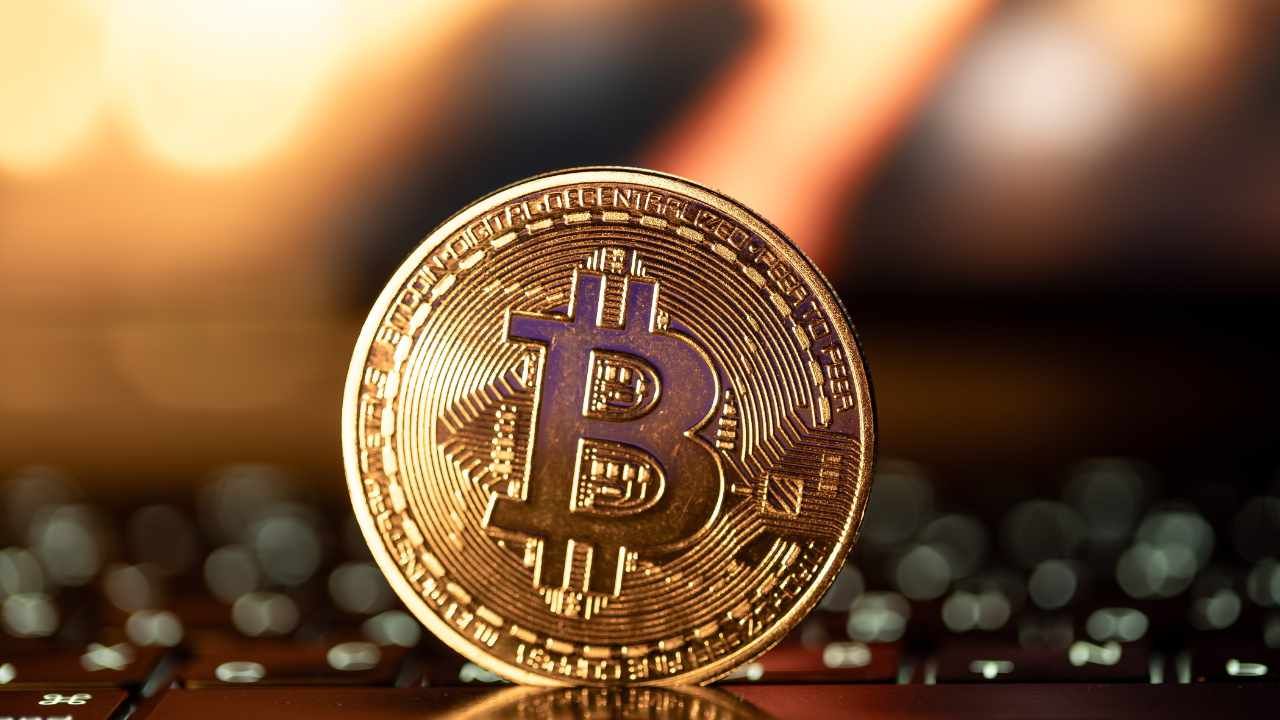
Bitcoin (BTC) investors who use steady dollar-cost averaging (DCA) may be underperforming versus strategies that adjust exposure to the market’s cycle, according to new research arguing that Bitcoin’s behavior differs from traditional long-duration assets.
In a report cited by Markus Thielen of 10x Research, Bitcoin’s market…