•
•
•
•
•
•
•
•
•
•
•
•
•
•
•
•
•
•
•
•
•
•
•
•
•
•
•
•
•
•
•
•
•


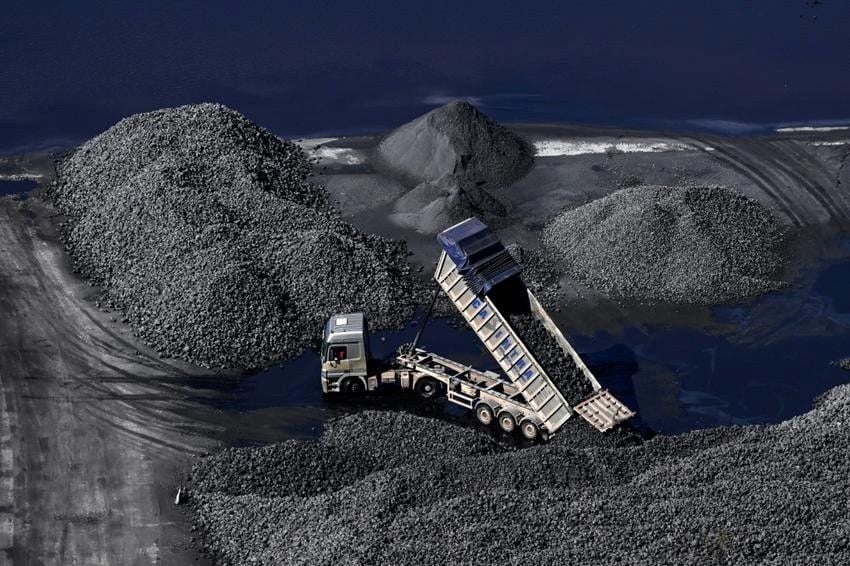
More than 50 countries are set to gather in Santa Marta, Colombia, next week to discuss a roadmap for gradually phasing out fossil fuels. The meeting comes as the global energy market faces intense pressure, with fuel prices rising and supply chains disrupted, while international climate commitments continue to encounter obstacles in implementation.
The conference is described as the first dedicated international forum focused on a pathway to phase out fossil fuels. It is taking place amid geopolitical tensions, including the conflict involving Iran, and against a backdrop of fuel shortages and heightened pressure to maintain energy security.
According to the International Energy Agency (IEA), the supply disruption could be the biggest oil shock in history. The IEA attributes the risk primarily to Iran’s tight control of the Hormuz Strait, a key channel for oil and gas shipments from the Gulf.
As disruptions force countries to look for short-term substitutes, some are considering a return to coal, which is described as the fossil fuel with the highest emissions among the three major sources.
The Santa Marta conference is linked to growing frustration with UN climate negotiations, where progress has stalled under a consensus mechanism that allows a minority of countries to block or slow advancement.
Participating countries aim to create a more flexible space for like-minded nations to push forward with concrete solutions. Colombia’s Environment Minister Irene Velez Torres said the conference, while planned, has become more meaningful given the current energy crisis, arguing that the energy shock strengthens the case for reducing fossil fuel dependence rather than delaying the transition.
The participating list includes both fossil fuel producers and consumers. Ministers and officials from countries described as major producers—Australia, Canada and Norway—will attend, alongside resource-rich emerging economies including Angola, Mexico and Brazil.
Developing countries reliant on coal, such as Turkey and Vietnam, are also participating. The group includes small island nations vulnerable to climate change and major European economies such as Germany, France and the United Kingdom.
However, energy superpowers including the United States, China, Saudi Arabia and Russia are not listed among participants. Colombia said participating countries still account for about 20% of global production and nearly a third of consumption, despite the absence of those major players.
Analysts say a central theme will be how to balance climate objectives with energy-security needs, which they describe as increasingly in conflict. The article notes that while investment in clean energy is now twice that of fossil fuels, emissions from burning coal, oil and gas continue to rise, reaching a record high in 2025.
To cope with shortages, some countries are considering increasing coal use in the short term, a move described as counter to emissions-reduction pledges. The article frames the transition challenge as not only technological or financial, but also political and security-related.
Some activists and researchers worry that the participation of fossil-fuel-producing nations could dilute progress toward stronger commitments. Climate scientist Bill Hare, founder of Climate Analytics, argues that broader participation can disperse benefits and reduce the likelihood of clear results.
Colombia’s Irene Velez Torres counters that including producing nations is a “major step,” saying phasing out fossil fuels has long been a sensitive issue. She said: “We need an honest space to discuss openly, where all issues are on the table. No one says phasing out fossil fuels is easy, but dialogue is essential.”
For small and climate-vulnerable island nations, the Santa Marta meeting is described as particularly significant. Tuvalu’s Climate Minister Maina Talia said the initiative should have been taken long ago, while representatives of Vanuatu said the current crisis is a warning that countries must reduce fossil-fuel dependence.
Pacific Island nations, described as heavily dependent on energy imports, are looking to become trailblazers in the transition.
At COP28 in 2023, nearly 200 nations reached consensus on a transition away from fossil fuels. Since then, turning that pledge into action has faced obstacles, including tensions at COP30 in Brazil, where nations could not agree to explicitly mention fossil fuels in the final document.
E3G analyst Beth Walker said the conference is not intended to compete with the multilateral process, but to create conditions for action by countries ready to move faster. The article adds that even without breakthrough declarations, observers expect the conference could still influence political and policy direction.
Recommendations from Santa Marta are expected to feed into a voluntary roadmap on phasing out fossil fuels led by Brazil, intended to spur concrete action amid global gridlock.
In the longer term, the conference could help form a new alliance among fossil-fuel producing and consuming countries, generating momentum for the global energy transition. Still, the article concludes that the road ahead remains difficult as energy crises persist and many countries prioritize securing supply alongside economic growth and climate goals.






Premium gym chains are entering a “golden era” that is ending or already in decline, as rising operating costs collide with shifting consumer preferences toward more flexible, community-based ways to exercise. Long-term memberships are shrinking, margins are pressured by higher rents and facility expenses, and competition from smaller, more personalized…


