Gold prices fell sharply on 02/04 as the U.S. dollar and
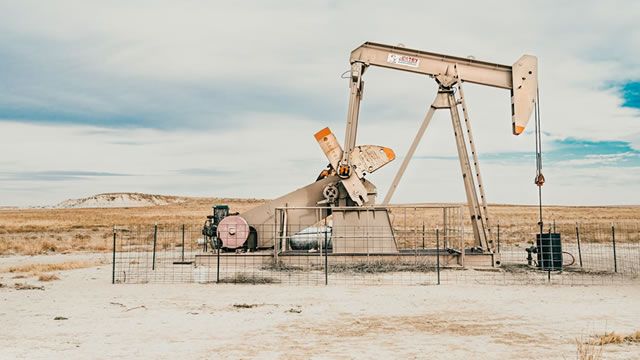
oil prices rose following President Donald Trump’s announcement that the U.S. would continue strikes on Iran, fueling inflation concerns and supporting expectations that interest rates will stay higher.
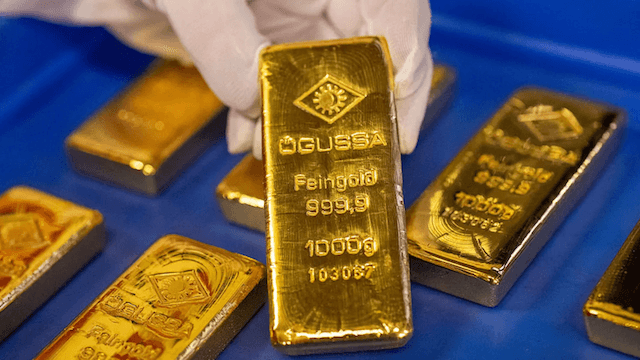
Spot gold dropped 3.6% to $4,587.55 per ounce, after hitting a two‑week high earlier in the session. U.S. gold futures fell 2.7% to $4,679.70 per ounce. The dollar strengthened, making gold priced in dollars more expensive for holders of other currencies. David Meger, director of metals trading at High Ridge Futures, said: "The market is very focused on Trump’s statements, which so far show no clear sign of a resolution to the energy situation." He added that this is putting pressure on gold and silver, given the possibility of fewer rate cuts. Trump spoke on television that the U.S. military is near completion of its objective in Iran, but did not provide a clear timeline to end the month-long conflict, while saying he would return the country to "the Stone Age." Later, oil rose. Higher energy prices will spill over into inflation, thereby narrowing room for central banks to cut rates. Although considered an inflation hedge, gold has underperformed when rates are high due to not yielding interest. Spot gold has fallen 13% since the Iran-related conflict began on February 28. Market sentiment was also affected by news that Turkey’s central bank gold reserves fell by 69.1 tonnes to 702.5 tonnes last week, raising the two-week decline to more than 118 tonnes as authorities seek to limit market impact of the conflict. In Asia, gold traded higher in India for the first time in two months as prices fell, boosting demand, while the premium in China eased as buyers awaited a deeper correction.