Gold prices rose more than 1% on April 9 as the US dollar weakened, while investors assessed the durability of the US-Iran ceasefire and looked ahead to US inflation data due on April 10.
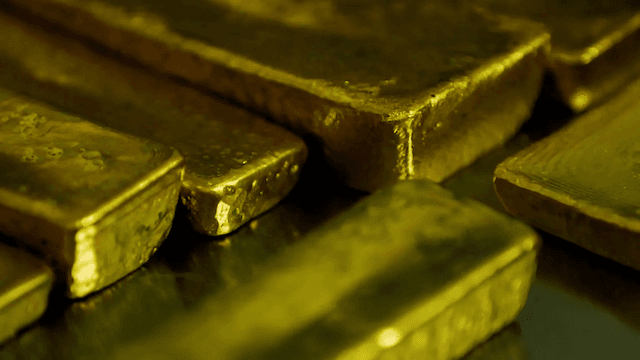
Spot gold rose 1.7% to $4,796.50 per ounce at 11:37 a.m. ET, after reaching a near three-week high in the previous session. US gold futures increased 1% to $4,823.00 per ounce.
The dollar index fell, making dollar-denominated gold cheaper for buyers using other currencies.
Bob Haberkorn, Senior Market Strategist at RJO Futures, said dollar weakness helped gold regain gains, but the market remained cautious about the ceasefire’s significance. He added that ceasefire-related news has supported prices, but gold has pulled back from recent highs as signs of frictions have emerged.
Israel continued airstrikes on targets in Lebanon, an issue Tehran says should be included in the ceasefire. Iran, meanwhile, has shown no signs of lifting the Hormuz Strait blockade. A breakdown in talks and renewed conflict could raise energy costs and inflation, potentially keeping interest rates higher for longer and weighing on gold’s appeal as a non-yielding asset, even as it remains a hedge against inflation.
Spot gold prices have fallen about 10% since the US-Israel war with Iran escalated on February 28.
Investors are also awaiting US CPI data for March, due on April 10. The PCE, the Fed’s preferred inflation gauge, rose 2.8% year over year through February, in line with forecasts, and was expected to have picked up in March.
Silver rose 2.3% to $75.84 per ounce. Platinum gained 2.6% to $2,082.78 per ounce, while palladium edged up 0.3% to $1,559.10 per ounce.