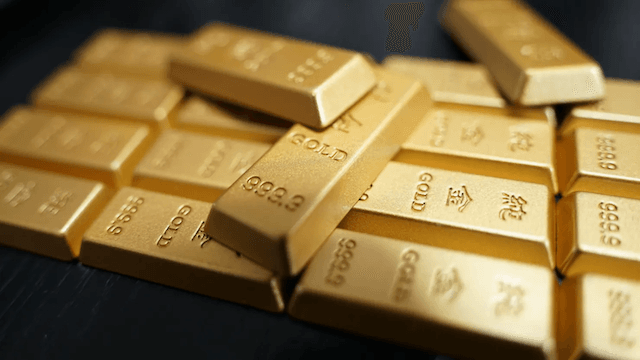
Gold prices edged lower on April 6 as investors awaited further signals on the evolving US-Iran situation ahead of the deadline to reopen the Hormuz Strait. Spot gold fell 0.4% to 4,654.99 USD per ounce as of 1:31 p.m. ET (17:31 GMT), while U.S. gold futures rose 0.1% to 4,684.70 USD per ounce.
Iran said it seeks a long-term end to the conflict with the US and Israel, while resisting pressure to quickly reopen the Hormuz Strait under a temporary ceasefire. Both sides are weighing a framework to end the five-week clash.
President Donald Trump warned he would unleash “hell” on Tehran if a deal is not reached by April 7.
Market attention could remain on the conflict and interest-rate expectations. If the standoff drags on, oil prices could rise further due to tight supplies, increasing inflationary pressure, according to Bart Melek, Global Head of Commodities at TD Securities.
That scenario could reduce the policy flexibility of central banks, particularly the U.S. Federal Reserve, and potentially revive discussions about rate hikes if energy prices continue to climb. Such developments are generally negative for gold.
Oil prices rose modestly in a day of volatile trading on April 6 and have surged since the conflict began.
Gold is widely viewed as a safe-haven asset against geopolitical risk and inflation. However, because it yields nothing, the metal tends to be less attractive when interest rates are high.
Investors are also monitoring several scheduled U.S. releases and Fed communications: the Fed’s March policy minutes due on April 8, U.S. Personal Consumption Expenditures (PCE) data on April 9, and the Consumer Price Index (CPI) on April 10.
The U.S. central bank kept rates unchanged last month, and most traders now expect no rate cuts this year, according to CME’s FedWatch.