Gold prices rose in world markets on Thursday (April 9) as the U.S. dollar weakened and investors tracked a fragile ceasefire between the United States and Iran. Gains were limited, however, after data showed U.S. inflation remained above the Federal Reserve’s target and the SPDR Gold Trust sold for a second straight session.
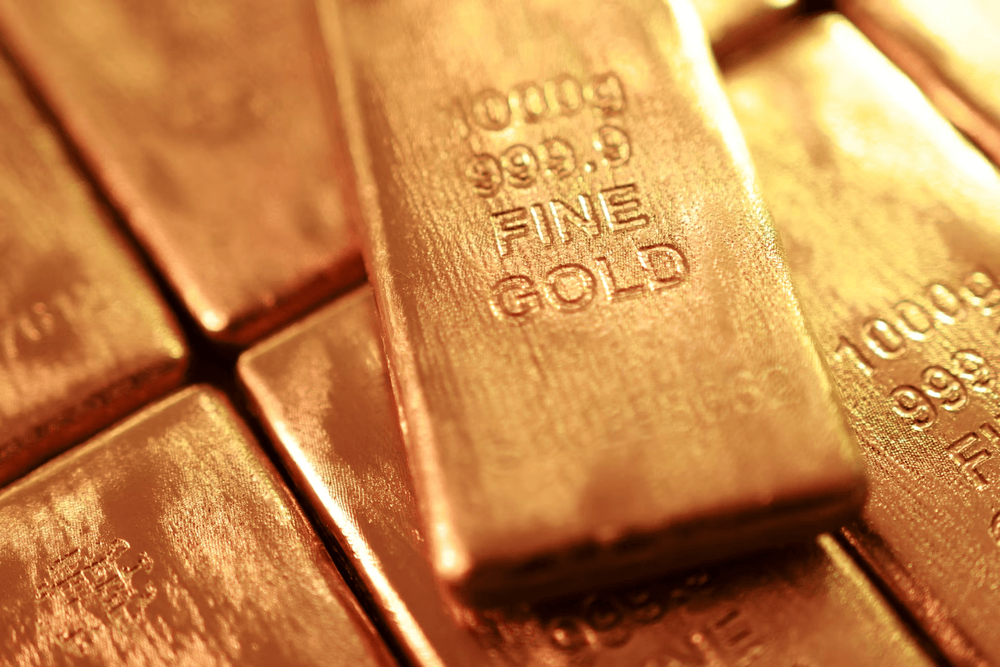
At the close, spot gold in New York traded at $4,767.50 per ounce, up $46.60 from the previous close (about 1%), according to Kitco. Spot silver rose to $75.47 per ounce, up $1.22 (about 1.6%).
On the COMEX futures market, June 2026 gold rose 0.9%, settling at $4,818 per ounce.
Gold received support as the Dollar Index ended the session down 0.34% at 98.79. The move came alongside the U.S.–Iran ceasefire announced on Wednesday for two weeks.
Despite the ceasefire, uncertainty in the Middle East continued to weigh on sentiment. Israel continued bombing targets in Lebanon on Wednesday, which Iran says should be covered by the ceasefire. On Thursday, there were no signs that Iran had opened the Hormuz Strait.
ADNOC’s chief executive said ships were still restricted from passing through Hormuz. Iran said only vessels granted permission by its forces could pass.
Crude oil briefly rose above $100 per barrel during the session, but later fell back below that level after Israeli Prime Minister Benjamin Netanyahu said he wanted direct talks with Lebanon.
Bob Haberkorn, a strategist at RJO Futures, said: “A weaker dollar has helped gold stabilize, but there remains caution in the market as investors try to gauge where this ceasefire will lead. The ceasefire is very supportive for gold, but gold has retreated from recent highs as cracks in the market begin to appear.”
In the last five sessions, the Dollar Index has fallen more than 1.2%, suggesting the greenback’s safe-haven status is weakening as the U.S.–Iran conflict could ease and oil cools below $100. However, gold has not shown the same breakout strength as earlier.
Analysts said markets remain wary that negotiations between the U.S. and Iran could fail, potentially leading to renewed conflict, higher energy prices, and inflation that would keep the Fed rates higher for longer. A higher-rate environment is generally unfavorable for gold because it does not pay a yield.
A U.S. Commerce Department report on Thursday showed the Personal Consumption Expenditures (PCE) price index rose 2.8% in February from a year earlier, while core PCE rose 3%. Both readings matched forecasts and indicated inflation remains above the Fed’s 2% target.
The report covers a period before the war began and does not reflect the sharp rise in oil prices in March, implying March inflation could accelerate and reinforce expectations that the Fed may keep rates unchanged this year.
On Friday, investors will receive another inflation reading: the CPI for March, which will reflect higher energy prices during the month.